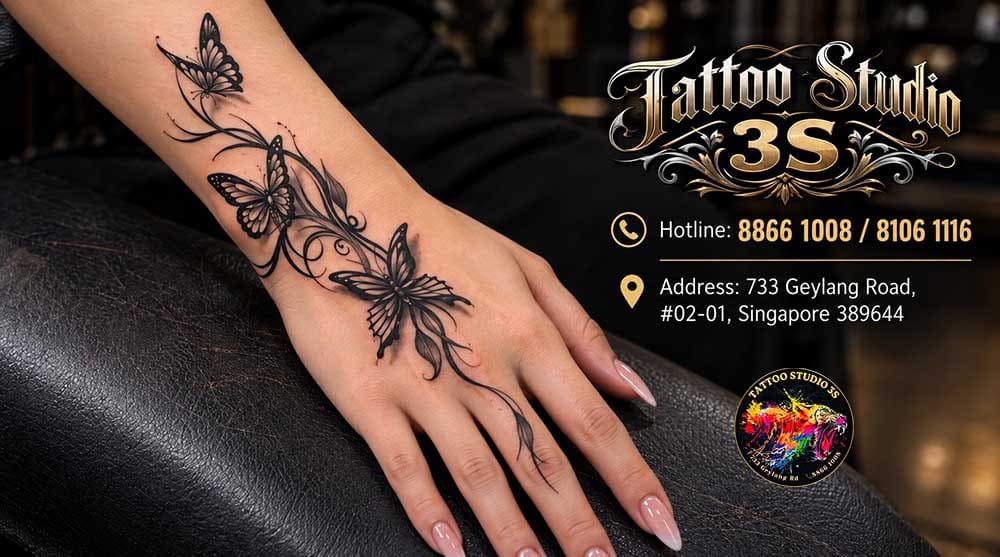
Japanese tattoos are known for their bold compositions, distinctive imagery, and rich symbolism. From powerful dragons and koi fish to elegant cherry blossoms and detailed Hannya masks, Japanese tattoo art offers a wide range of designs that can be adapted to different personalities, meanings, and body placements. For anyone considering a Japanese tattoo in Singapore, understanding the style, symbolism, design process, placement, and aftercare can help you make a more informed decision. Whether you are planning your first tattoo or adding a larger piece to your collection, choosing the right design and an experienced tattoo artist is essential.

What Is A Japanese Tattoo?
Japanese tattooing is a distinctive tattoo style recognized for its strong visual composition, flowing designs, bold outlines, and traditional Japanese imagery. Many designs incorporate elements from Japanese culture, mythology, nature, and history. Traditional Japanese tattooing is often associated with large-scale compositions that follow the natural contours of the body. Rather than treating each tattoo as an isolated image, Japanese-style designs can use multiple elements to create a cohesive overall composition. Today, Japanese tattoo styles have also evolved. Modern artists may combine traditional Japanese imagery with contemporary techniques, creating designs that retain the recognizable character of Japanese tattoo art while offering more flexibility for individual preferences.
The History Of Japanese Tattooing
– Japanese tattooing has a long and complex history. Tattoos have been used in Japan in different social and cultural contexts over many centuries, and their meanings and perceptions have changed over time.
– Traditional Japanese tattoo art developed its own distinctive visual language, incorporating subjects such as dragons, koi fish, tigers, flowers, mythical creatures, and warriors. These elements were often arranged into large compositions designed to flow naturally across the body.
– The history of Japanese tattooing is an important part of understanding why the style remains so recognizable today.
Traditional Japanese Tattooing And Irezumi
– Irezumi is a term commonly associated with traditional Japanese tattooing. Traditional Japanese tattoo designs are often characterized by bold outlines, strong colors or black-and-grey work, and carefully arranged background elements.
– Large-scale pieces may include a central subject surrounded by waves, clouds, wind, flowers, or other traditional motifs. This creates a sense of movement and helps different parts of the design work together as a single composition.
– While traditional Japanese tattooing has its own historical roots and techniques, contemporary tattoo artists may interpret these elements in different ways.
Modern Japanese Tattoo Styles
– Modern Japanese tattoos can range from highly traditional designs to contemporary interpretations.
– Some artists maintain traditional visual characteristics, while others combine Japanese imagery with modern tattoo techniques, color palettes, line work, and composition.
– This flexibility makes Japanese tattooing suitable for both large statement pieces and more personalized designs. When choosing an artist, it is important to review their portfolio and make sure their approach matches the style you want.

What Makes Japanese Tattoos Unique?
Japanese tattoos stand out because they combine visual impact with storytelling and symbolism. A single tattoo can incorporate multiple elements that work together to communicate a particular theme or personal meaning.
Bold Lines And Strong Composition
Bold outlines are one of the most recognizable characteristics of traditional Japanese tattoo designs. Strong lines help define the main subject and allow the artwork to remain visually clear even when it contains many details. Composition is equally important. Japanese tattoo designs are often carefully arranged to follow the shape and movement of the body, creating a more natural visual flow.
Traditional Japanese Imagery
Japanese tattoo art includes a wide variety of recognizable subjects, including dragons, koi fish, tigers, snakes, phoenixes, Oni, Hannya masks, flowers, and Samurai. These elements can be combined with traditional backgrounds such as waves, clouds, wind bars, and other decorative motifs to create a complete tattoo composition.
Symbolism And Meaning
Symbolism is an important part of Japanese tattoo culture. Many traditional subjects have associations with qualities such as strength, courage, perseverance, protection, transformation, beauty, or good fortune. However, meanings can vary depending on the specific cultural context, design, and personal interpretation. Rather than choosing an image solely because of a commonly cited meaning, consider what the design represents to you personally.
The Connection Between Tattoo Design And Body Placement
Body placement plays an important role in Japanese tattoo design. Large compositions are often designed around the natural contours of the body rather than simply placed on a flat area. For example, a sleeve can allow an artist to create a continuous composition from the shoulder down the arm, while a back piece provides a large canvas for more elaborate artwork. Discussing placement with your tattoo artist before finalizing the design can help create a more balanced result.

Popular Japanese Tattoo Designs And Their Meanings
Japanese tattoo art offers a wide variety of traditional motifs. Each design has its own visual characteristics and commonly associated symbolism.
Japanese Dragon Tattoos
Japanese dragon tattoos are among the most recognizable Japanese tattoo designs. Dragons are often associated with strength, wisdom, power, and protection. A dragon can be designed as a large-scale piece across the back, chest, sleeve, or other areas of the body. The flowing shape of the dragon also works particularly well with Japanese-style compositions.

Koi Fish Tattoos
Koi fish are another iconic Japanese tattoo subject. They are commonly associated with perseverance, courage, determination, and transformation. Koi tattoos can be designed individually or combined with elements such as water, waves, flowers, and other traditional Japanese imagery. The direction, color, surrounding elements, and overall composition can all influence the visual character of a koi tattoo.

Japanese Tiger Tattoos
Japanese tiger tattoos are often associated with strength, courage, protection, and determination. The tiger’s powerful appearance makes it particularly suitable for larger tattoo designs. Artists can incorporate movement, waves, wind, and other elements to create a dynamic composition.

Japanese Snake Tattoos
Snake tattoos can represent transformation, protection, renewal, and change. Their long, flowing form also makes snakes suitable for body areas where the design can follow natural curves. Japanese snake tattoos may be combined with flowers or other traditional motifs for additional visual contrast.
Phoenix Tattoos
The phoenix is commonly associated with rebirth, renewal, resilience, and overcoming adversity. A Japanese-inspired phoenix tattoo can be created as a colorful or black-and-grey composition, depending on the client’s preference and the artist’s style. Its flowing feathers and dramatic form also allow artists to create visually striking large-scale designs.

Oni Mask Tattoos
Oni masks are distinctive elements in Japanese tattoo art. They are often associated with strength, protection, and the complex relationship between positive and negative forces. The dramatic facial expression and strong shapes of an Oni mask can create a powerful focal point within a larger Japanese tattoo composition.

Hannya Mask Tattoos
Hannya masks are widely recognized in Japanese tattoo art and are often associated with complex emotions, passion, jealousy, and transformation. Their distinctive facial expression creates a visually intense tattoo subject. Hannya designs are frequently combined with flowers, waves, snakes, or other traditional Japanese motifs.

Cherry Blossom Tattoos
Cherry blossoms are associated with beauty, life, change, and the temporary nature of existence. Their delicate appearance creates an interesting contrast with stronger subjects such as dragons, Samurai, tigers, or Hannya masks. Cherry blossoms can also be used as supporting elements within a larger Japanese tattoo rather than as the primary subject.

Japanese Peony Tattoos
Peonies are commonly associated with beauty, prosperity, wealth, and good fortune. In Japanese tattoo compositions, peonies can add softer shapes and visual contrast to powerful subjects such as dragons, tigers, and snakes. They can be used as a central design or incorporated into larger sleeves and back pieces.

Samurai Tattoos
Samurai tattoos are often associated with honor, discipline, courage, loyalty, and strength. A Samurai design can range from a detailed portrait to a larger scene incorporating armor, weapons, traditional backgrounds, and other Japanese imagery. Because of the amount of detail involved, large Samurai tattoos can require careful planning and experienced tattooing.

Popular Japanese Tattoo Styles
Japanese tattooing encompasses several different approaches. Understanding the differences can help you communicate your preferences to your tattoo artist.
– Traditional Japanese Tattoos: Traditional Japanese tattoos typically feature bold outlines, strong composition, recognizable Japanese imagery, and carefully arranged backgrounds. Large-scale designs are particularly common, with different elements connected to create a cohesive piece.
– Neo-Japanese Tattoo Style: Neo-Japanese tattoos combine traditional Japanese subjects with more contemporary tattoo techniques. Artists may experiment with line work, shading, color, proportions, and composition while maintaining recognizable Japanese-inspired imagery. This can be a good option for clients who appreciate Japanese motifs but want a more contemporary visual approach.
– Japanese Black And Grey Tattoos: Black-and-grey Japanese tattoos focus on contrast, shading, texture, and line work rather than a broad color palette. This approach can create a sophisticated and dramatic appearance, particularly for subjects such as dragons, tigers, Hannya masks, and Samurai.
– Japanese Sleeve Tattoos: Japanese sleeve tattoos are designed to cover part or all of the arm, depending on the desired size. A sleeve can combine a primary subject with supporting elements such as flowers, waves, clouds, or wind patterns. Careful planning is important because the design needs to flow naturally from one section of the arm to another.
– Japanese Back Tattoos: The back provides a large canvas for Japanese tattoo designs. It allows artists to create detailed compositions featuring subjects such as dragons, koi fish, Samurai, phoenixes, or large floral arrangements. A full back piece typically requires significant planning and may take multiple sessions depending on its size and complexity.
Popular Body Placements For Japanese Tattoos
The right placement can enhance the overall appearance of a Japanese tattoo and influence how the composition is designed.
– Japanese Sleeve Tattoos: The arm is one of the most popular locations for Japanese tattoos. Sleeve designs can be adapted to different sizes, from smaller partial sleeves to more comprehensive compositions.
– Japanese Back Tattoos: The back offers extensive space for detailed Japanese artwork. It is particularly suitable for clients who want a large, highly detailed design.
– Japanese Chest Tattoos: Chest tattoos can create a strong central composition and can also be connected with shoulder or sleeve designs. Japanese chest pieces may feature dragons, koi fish, flowers, Hannya masks, or other traditional motifs.
– Japanese Leg Tattoos: The leg provides a long surface that can work well with flowing Japanese designs. Large compositions can extend from the thigh toward the calf, depending on the client’s preferred size.
– Japanese Arm Tattoos: For clients who do not want a full sleeve, the upper arm or forearm can provide a more manageable canvas for a Japanese-inspired tattoo. The design can be created as an individual piece or planned as the beginning of a larger future composition.

How Much Does A Japanese Tattoo Cost In Singapore?
The cost of a Japanese tattoo in Singapore can vary considerably depending on the design and the tattoo artist.
Several factors can influence the final price, including:
- Tattoo size
- Design complexity
- Body placement
- Color or black-and-grey style
- Artist experience
- Number and length of tattoo sessions
- Custom design requirements
Large Japanese tattoos generally require more planning and tattooing time than smaller designs. A full sleeve or back piece may also require multiple sessions. Instead of choosing a tattoo studio based solely on the lowest price, consider the artist’s portfolio, experience, hygiene standards, consultation process, and the quality of previous work. For an accurate quotation, it is best to discuss your design, size, placement, and expectations directly with the tattoo studio.
What Is The Japanese Tattoo Process In Singapore?
Getting a Japanese tattoo is often a collaborative process between the client and tattoo artist. Good communication before the session can help ensure that the final design matches the client’s expectations.
Initial Consultation
The consultation is an opportunity to discuss your tattoo idea, preferred style, size, placement, and overall expectations. If you have reference images, you can share them with the artist to communicate the visual direction you prefer. The artist can then provide professional recommendations based on the design and body placement.
Custom Design And Planning
Once the concept is clear, the artist can develop the design and consider how it will fit the chosen area of the body. For larger Japanese tattoos, planning the overall composition is especially important. Different elements should work together rather than appearing as unrelated individual images.
The Tattooing Process
The actual tattooing process depends on the size, complexity, and placement of the design. Smaller pieces may be completed in a single session, while larger Japanese tattoos may require multiple appointments. Your tattoo artist should be able to discuss the expected process before the session begins.
Healing And Aftercare
Proper aftercare is an essential part of getting a tattoo. Your artist should provide specific instructions based on the tattoo and the products or methods they recommend. Generally, avoid unnecessary friction, scratching, or picking at the tattoo while it heals, and follow the aftercare guidance provided by your tattoo artist.

Things To Consider Before Getting A Japanese Tattoo
A Japanese tattoo can be a significant artistic and personal commitment, particularly when choosing a large-scale design.
– Choose A Design That Has Personal Meaning: Japanese tattoo imagery has rich symbolism, but you do not have to choose a design based only on its traditional meaning. Consider what the subject represents to you and whether you will still appreciate the design in the future.
– Carefully Consider Your Tattoo Placement: Think about the size, visibility, body contours, and how the tattoo may look with your everyday clothing. For larger Japanese designs, discuss placement with your artist before finalizing the artwork.
– Understand The Time And Investment Required: Large and detailed Japanese tattoos can require multiple sessions. The overall investment depends on the design, artist, size, and number of sessions required. Understanding these factors before starting can help you plan your tattoo more comfortably.
– Choose An Experienced Tattoo Artist: The artist you choose can have a major impact on the final result. Look through their portfolio and pay particular attention to examples that are similar to the style, scale, and subject you want. An artist experienced in Japanese tattooing will also understand how to create a balanced composition that works with the body.
– Follow Proper Tattoo Aftercare Instructions: Following your artist’s aftercare instructions can help support the healing process and protect the quality of your new tattoo. Avoid making your own assumptions about aftercare. Instead, follow the specific guidance provided by your tattoo professional.

Why Choose Tattoo Studio 3S For A Japanese Tattoo In Singapore?
Choosing a tattoo studio is an important step when planning a Japanese tattoo. Tattoo Studio 3S provides a professional environment for clients who want to explore custom tattoo ideas and develop a design suited to their preferences. The studio can work with clients through the consultation and design process, helping transform an initial idea into a personalized tattoo concept.
- Professional Tattoo Consultation: A consultation gives you the opportunity to discuss your ideas, preferred tattoo style, placement, size, and expectations before starting the tattoo.
- Custom Japanese Tattoo Designs: Custom designs allow the tattoo to be developed around your personal concept rather than simply selecting a generic design.
- Experienced Tattoo Artists: Choosing an artist with relevant experience is important when creating detailed Japanese-inspired artwork. Reviewing an artist’s portfolio can help you determine whether their style is suitable for your project.
- Personalized Consultation And Design: Every client has different preferences. A personalized approach allows the design and placement to be discussed according to the individual’s goals and expectations.
- Attention To Detail And Tattoo Composition: Japanese tattooing relies heavily on composition and the relationship between different visual elements. Careful planning can help create a design that works naturally with the body.
- Professional Tattooing Environment: A professional studio environment is an important part of the overall tattoo experience. Clients should always consider cleanliness, safety, communication, and the artist’s approach when choosing where to get tattooed.
Final Thoughts On Japanese Tattoo Singapore
– Japanese tattoos combine distinctive visual elements, cultural symbolism, and carefully planned compositions. Whether you are interested in a dragon, koi fish, tiger, Hannya mask, Samurai, or a combination of traditional motifs, choosing the right design and tattoo artist is essential.
– Before getting inked, consider the meaning behind your design, the desired placement, the size and time commitment, and the artist’s portfolio. A professional consultation can also help you refine your idea and create a tattoo that suits both your personal style and body.
– If you are looking for a Japanese tattoo in Singapore, Tattoo Studio 3S can help you explore your ideas and develop a personalized tattoo design.
Contact Tattoo Studio 3S for a consultation and custom Japanese tattoo design.
Hotline: +65 8866 1008
Address: 733 Geylang Road, #02-01, Singapore 389644