Maintaining a clean and hygienic environment is essential for every professional tattoo studio. Since tattooing involves needles penetrating the skin, proper hygiene practices help reduce the risk of infections, cross-contamination and other health complications. However, cleaning, disinfection and sterilization are often misunderstood as interchangeable procedures, even though each serves a different purpose.
Understanding the differences between cleaning vs disinfection vs sterilization is important for both tattoo artists and clients. At Tattoo Studio 3S in Singapore, we recognize the importance of hygiene awareness and safe tattooing practices. This guide explains how these three processes work, why they matter and how they contribute to a safer tattooing environment.
What Is Cleaning In A Tattoo Studio?
Cleaning is the process of removing visible dirt, ink residue, organic matter and other contaminants from tattoo equipment and surfaces. It is generally the first step in maintaining hygiene and preparing reusable equipment for further processing. Although cleaning can reduce the number of microorganisms present, it does not necessarily kill bacteria, viruses or other harmful pathogens. Therefore, cleaning alone is not sufficient for equipment that requires disinfection or sterilization.
How Does Cleaning Work?
Cleaning typically involves water, detergent and mechanical action to remove dirt and contaminants from surfaces or reusable equipment. Tattoo artists may use appropriate brushes, cleaning solutions or specialized equipment, depending on the manufacturer’s instructions. For reusable instruments, thorough cleaning is particularly important because remaining blood, ink or organic material can interfere with subsequent sterilization. Proper cleaning also helps maintain equipment performance and prepares instruments for safe reprocessing.
What Tattoo Equipment And Surfaces Need Cleaning?
Various surfaces and reusable items in a tattoo studio require regular cleaning. These include tattoo workstations, chairs, countertops, equipment stands and other frequently touched areas. Reusable tattoo instruments must also be cleaned before undergoing any required sterilization process. However, disposable needles, cartridges and other single-use components should never be cleaned for reuse. They must be discarded appropriately after use.
What Is Disinfection In A Tattoo Studio?
Disinfection is the process of eliminating or inactivating many harmful microorganisms on nonliving surfaces using approved chemical disinfectants or suitable physical methods. Unlike sterilization, disinfection does not necessarily eliminate all microorganisms, particularly bacterial spores. In tattoo studios, disinfection is especially important for environmental surfaces that may become contaminated during tattoo sessions. It helps reduce the risk of transferring infectious agents between clients, tattoo artists and equipment.
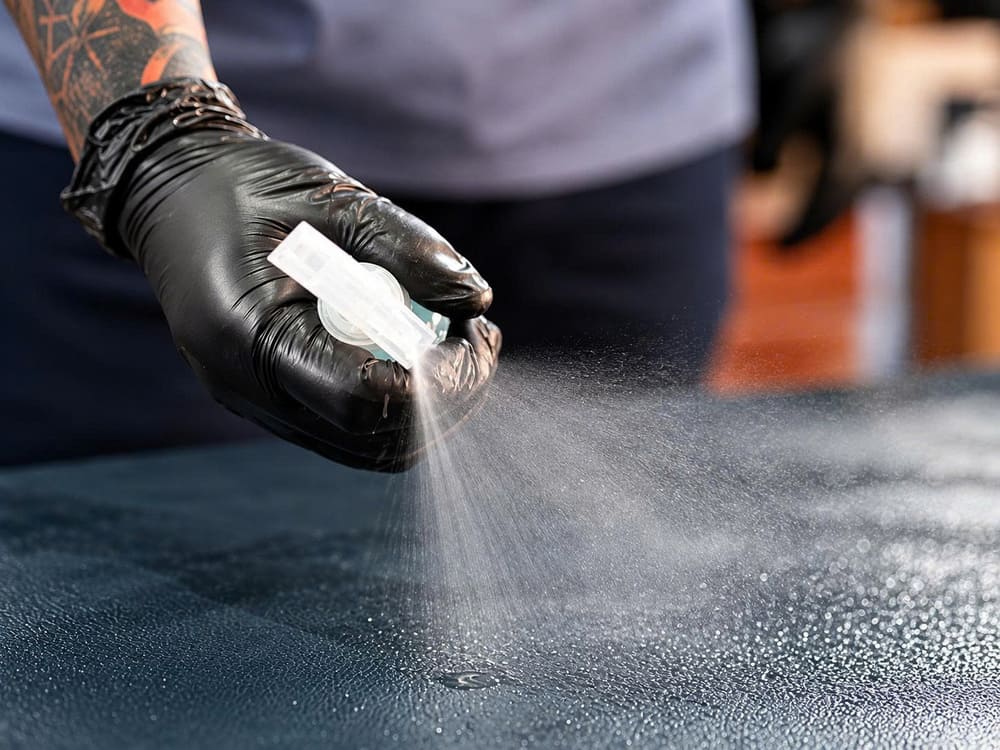
How Does Disinfection Work?
– Disinfection generally involves applying an appropriate disinfectant to a previously cleaned surface and allowing it to remain wet for the manufacturer’s specified contact time.
– Different disinfectants have different antimicrobial capabilities and intended applications. Tattoo studios should use products suitable for the surfaces and potential contamination involved, following all label instructions.
– Simply wiping a surface with disinfectant and immediately drying it may not provide the intended level of disinfection if the required contact time has not been met.
Which Tattoo Studio Surfaces Require Disinfection?
– Tattoo workstations, client chairs, armrests, countertops and frequently touched equipment surfaces may require disinfection between clients, particularly when they are exposed to contamination.
– Other areas, such as door handles, light switches and shared work surfaces, should also be included in routine hygiene procedures according to their level of use and contamination risk.
– When blood or other potentially infectious materials contaminate a surface, appropriate cleaning and disinfection procedures must be followed. Disposable protective barriers should be replaced between clients and must not be treated as substitutes for proper surface hygiene.
What Is Sterilization In A Tattoo Studio?
Sterilization is a validated process designed to eliminate all forms of viable microorganisms, including bacterial spores. It provides a higher level of microbial control than routine cleaning or disinfection. Because tattoo needles penetrate the skin, any instruments or components that enter the skin must be sterile when used. This is essential for reducing the risk of transmitting infections through contaminated tattoo equipment.
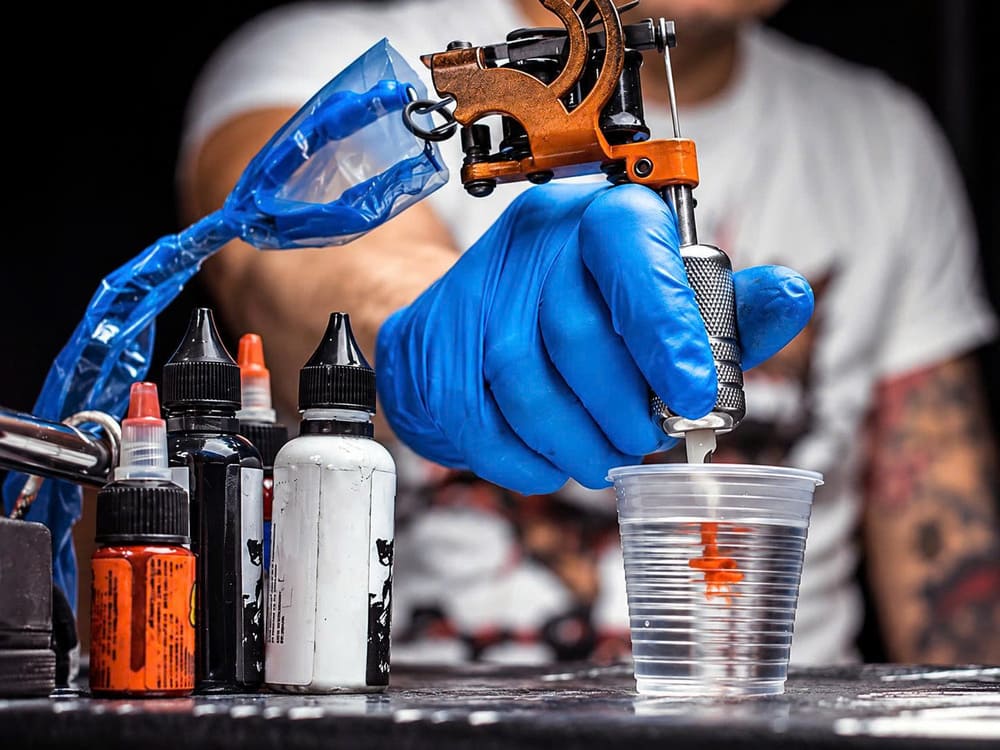
How Does Tattoo Equipment Sterilization Work?
– Reusable tattoo instruments that require sterilization must first undergo appropriate cleaning and inspection. Afterward, they are packaged and processed using a validated sterilization method compatible with the equipment.
– Steam sterilization using an autoclave is a common method for suitable reusable instruments. It relies on controlled steam, temperature, pressure and exposure time to achieve effective sterilization.
– Professional sterilization procedures also require appropriate monitoring, documentation, maintenance and correct storage of processed instruments. Chemical indicators alone do not prove that an item is sterile, so biological monitoring and other required quality controls are important.
– Not every tattoo machine component can withstand steam sterilization. Equipment must always be processed according to its manufacturer’s validated instructions.
Which Tattoo Tools Must Be Sterile?
– Tattoo needles, needle cartridges and other components that penetrate the skin must be sterile before use. Many modern tattoo studios use commercially sterilized, individually packaged, single-use needles and cartridges.
– Reusable instruments that require sterilization must be properly reprocessed before use on another client. Their design and manufacturer’s instructions determine whether they can be safely reused.
– Single-use tattoo needles and cartridges must never be reused, even after cleaning or attempted sterilization. Items that cannot be adequately cleaned or sterilized should be replaced with appropriate disposable alternatives.
Key Differences Between Cleaning, Disinfection And Sterilization
Although cleaning, disinfection and sterilization all contribute to tattoo studio hygiene, they differ significantly in their objectives, methods and effectiveness against microorganisms. Understanding these differences helps tattoo artists apply the correct procedure to each surface or piece of equipment.
| Criteria | Cleaning | Disinfection | Sterilization |
|---|---|---|---|
| Purpose | Remove dirt and contaminants | Kill or inactivate many pathogens | Eliminate all viable microorganisms |
| Microbial control | Reduces contamination | Depends on disinfectant level | Includes bacterial spores |
| Common methods | Water, detergent, mechanical action | Approved disinfectants | Validated steam or other sterilization methods |
| Tattoo studio applications | Work surfaces, reusable instruments | Environmental surfaces | Reusable critical instruments |
| When required | Before further processing and during routine hygiene | According to surface contamination risk | Before use of reusable instruments that penetrate skin |
Cleaning is generally necessary before disinfection or sterilization because organic matter and visible contamination can interfere with the effectiveness of these procedures. However, not every item requires all three processes. Environmental surfaces usually require appropriate cleaning and disinfection, while reusable instruments that penetrate the skin require validated sterilization. The correct procedure depends on how the item is used, its contamination risk and the manufacturer’s instructions.
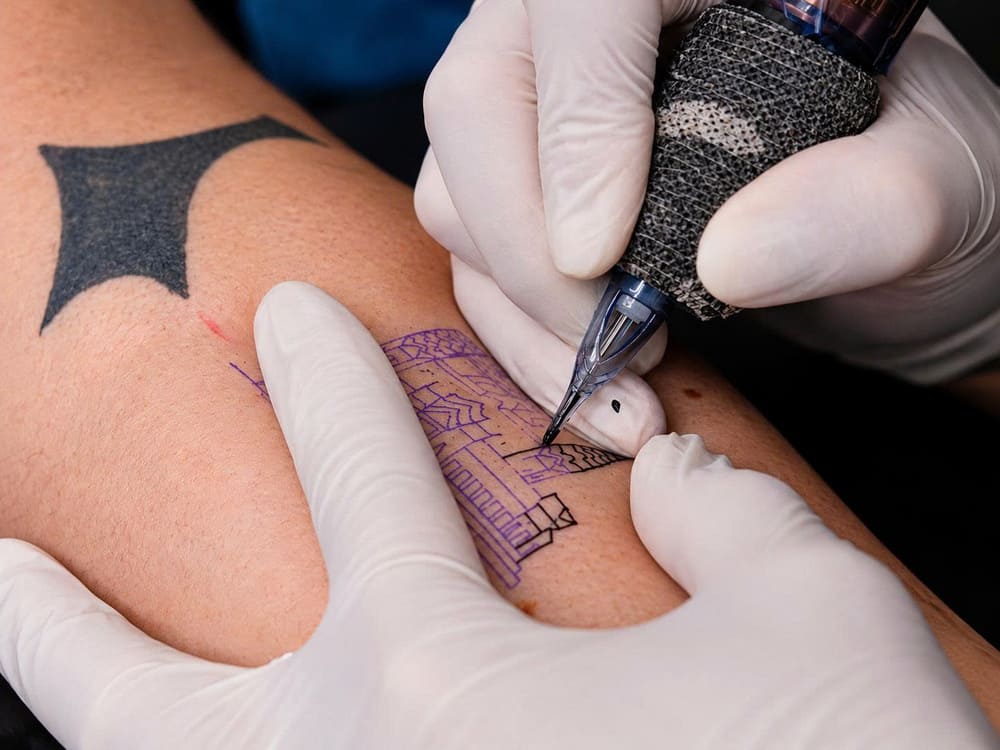
Why Are Cleaning, Disinfection And Sterilization Important In Tattoo Studios?
Tattooing creates small openings in the skin, which can provide a pathway for microorganisms to enter the body. Maintaining appropriate hygiene standards is therefore essential for protecting clients and tattoo professionals. Cleaning, disinfection and sterilization work together as part of a comprehensive infection prevention approach.
Preventing Infections And Cross-Contamination
– Contaminated tattoo instruments, surfaces or materials can potentially transmit harmful microorganisms. These may include bacteria associated with skin infections and bloodborne pathogens such as hepatitis B and hepatitis C viruses.
– Proper cleaning removes contaminants, disinfection reduces microbial contamination on suitable surfaces, and sterilization ensures reusable critical instruments receive the required level of processing.
– Together with hand hygiene, disposable gloves, safe needle handling and proper waste disposal, these procedures help reduce the risk of cross-contamination.
Protecting Tattoo Artists And Clients
– Effective infection prevention practices protect both clients receiving tattoos and artists who regularly handle needles, equipment and potentially contaminated materials.
– Tattoo artists should follow appropriate hand hygiene procedures, wear suitable personal protective equipment and change gloves when contaminated or between clients.
– Clients also benefit from understanding what safe tattooing practices look like, including sterile needles, properly prepared workstations and appropriate handling of tattoo supplies.
Maintaining Professional Tattoo Hygiene Standards
– Consistent hygiene procedures demonstrate a tattoo studio’s commitment to professional working practices and client safety.
– A well-managed studio should establish clear protocols for equipment processing, environmental cleaning, disinfection, sharps disposal and infection prevention.
– Regular staff training and adherence to applicable local health requirements help ensure these procedures are performed correctly and consistently.
– Maintaining hygiene standards is not simply about creating a visually clean studio. It requires effective processes that address contamination risks throughout the entire tattooing experience.
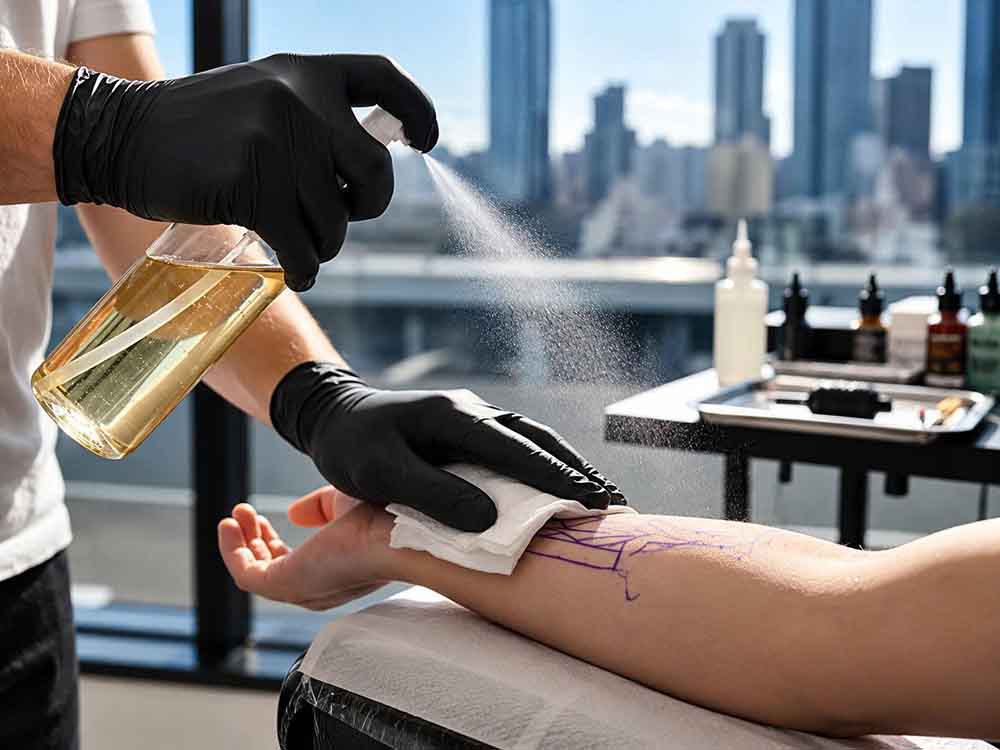
Best Practices For Cleaning, Disinfection And Sterilization In Tattoo Studios
Tattoo studios should implement a structured hygiene program that covers preparation, tattooing, equipment handling and post-session cleanup. The following practices help maintain a safer working environment and reduce preventable contamination risks.
Cleaning And Disinfecting Tattoo Workstations
Tattoo workstations should be prepared before each client and appropriately cleaned and disinfected after every session. Frequently touched surfaces, including armrests, chairs, countertops and reusable equipment exteriors, require attention. Protective barriers should be replaced between clients, while underlying surfaces should be cleaned and disinfected as needed. Disinfectants must be suitable for their intended use and applied according to the manufacturer’s instructions, including the required contact time.
Using Sterile And Single-Use Tattoo Equipment
Using sterile, single-use needles and cartridges is an important infection prevention practice in modern tattooing. Artists should inspect sterile packaging before use to ensure it is intact, appropriately labeled and within any applicable expiration or use-by date. Single-use items must be discarded after the session rather than cleaned or reused. Used needles and other contaminated sharps should be placed immediately into appropriate puncture-resistant sharps containers. Tattoo ink should also be handled hygienically, with single-client ink caps and appropriate disposal of leftover ink to help prevent contamination.
Following Proper Equipment Reprocessing Procedures
Reusable tattoo instruments must undergo the appropriate reprocessing steps before being used on another client. These procedures generally include cleaning, inspection, packaging, sterilization when required and appropriate storage. Reprocessing methods must be compatible with the instrument and supported by the manufacturer’s instructions. Sterilization equipment should be maintained and monitored according to applicable standards, including routine biological monitoring where required. Studios should also keep relevant records and ensure staff members are trained to recognize damaged packaging, processing failures and other conditions that may compromise instrument safety.

Experience Safe And Professional Tattooing At Tattoo Studio 3S
Choosing a tattoo studio involves more than selecting an attractive design or an experienced artist. Hygiene awareness, equipment handling and infection prevention are also important considerations for a safe tattooing experience.
At Tattoo Studio 3S, we understand that clients want to feel comfortable and confident throughout their tattoo journey. Our team welcomes questions about tattoo preparation, hygiene practices, design choices and aftercare so clients can make informed decisions before their sessions.
Whether you are considering a minimalist tattoo, Japanese tattoo, realism tattoo or a large custom piece, understanding the differences between cleaning vs disinfection vs sterilization can help you recognize the importance of professional tattoo hygiene.
Contact Tattoo Studio 3S to discuss your tattoo ideas and learn more about preparing for your appointment.
Tattoo Studio 3S – Singapore
Hotline: 8866 1008 / 8106 1116
Address: 733 Geylang Road, #02-01, Singapore 389644