Getting a tattoo is an exciting way to express your personality, creativity, and personal style. However, choosing the right tattooing technique is just as important as selecting the perfect design. Two popular methods are handpoke tattooing and machine tattooing, each offering a different experience and artistic result. Understanding the differences between Handpoke Vs Machine Tattoo can help you make an informed decision. From pain levels and healing time to design complexity and tattoo longevity, this guide explores both techniques to help you find the most suitable option.
What Is A Handpoke Tattoo?
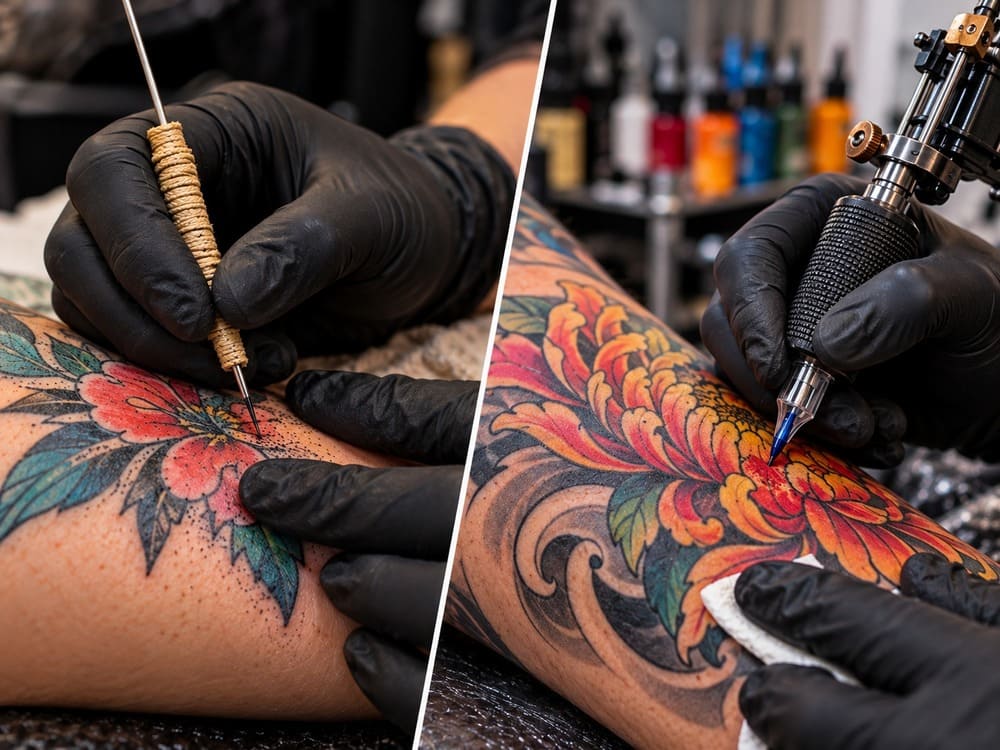
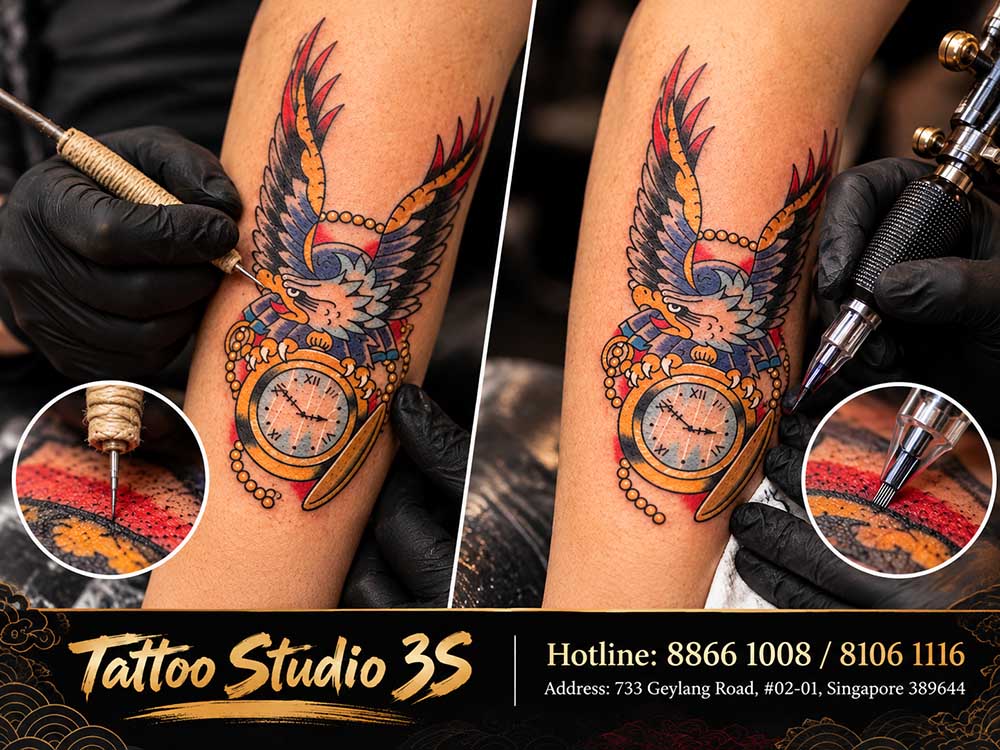
A Handpoke Tattoo , also known as a stick and poke tattoo, is a traditional tattooing technique performed without an electric tattoo machine. Instead, the tattoo artist manually inserts ink into the skin using a specialized tattoo needle, creating the design one dot at a time.
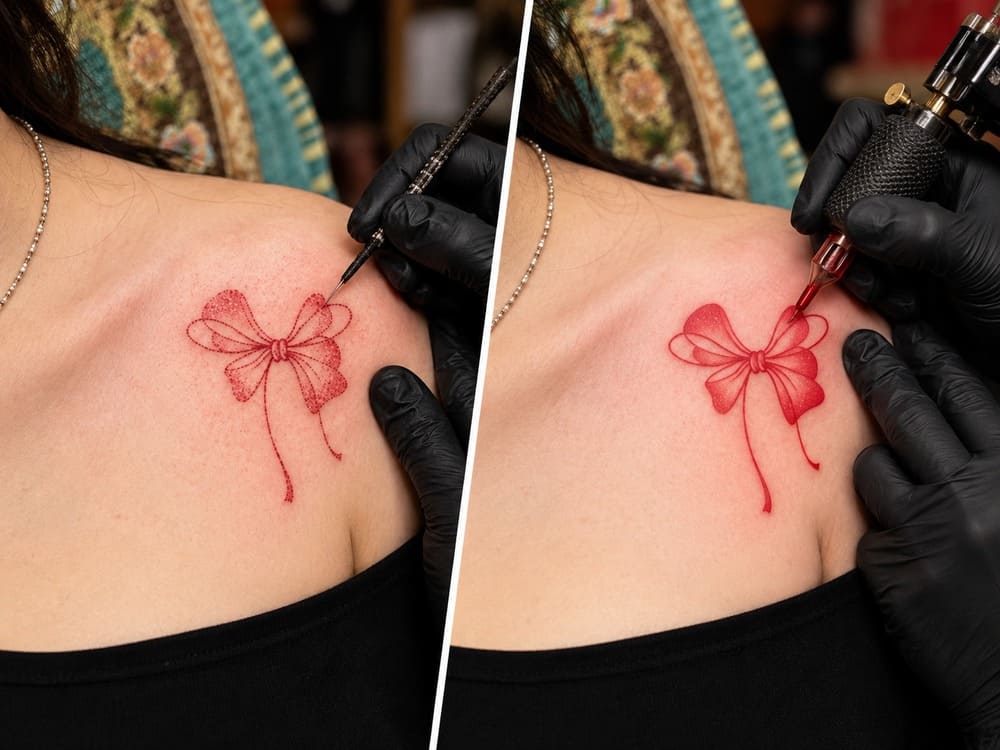
Unlike machine tattooing, handpoke relies entirely on the artist’s hand movements to control needle placement, depth, and spacing. This method allows artists to create delicate lines, small symbols, minimalist patterns, and unique dotwork designs.
Handpoke tattoos are often associated with a simple, organic aesthetic. They are particularly popular among people who appreciate handmade artwork, subtle designs, and a quieter tattooing experience.
What Is A Machine Tattoo?
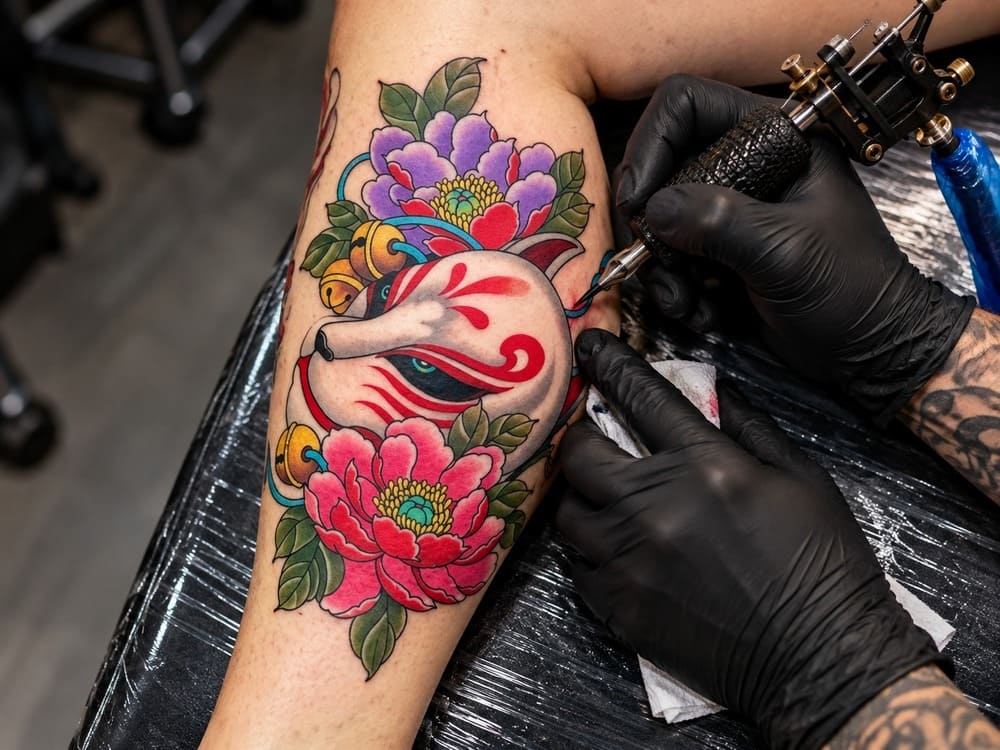
A Machine Tattoo is created using an electric tattoo machine that rapidly moves tattoo needles up and down to deposit ink into the skin. Modern tattoo machines, including rotary and coil machines, allow artists to control needle movement and apply different techniques for outlining, shading, and coloring.
Machine tattooing is widely used in professional tattoo studios because of its efficiency, precision, and versatility. It is suitable for various tattoo styles, from small minimalist designs to elaborate full-sleeve tattoos and detailed realism artwork.
With the right equipment and experienced tattoo artists, machine tattooing can produce consistent lines, smooth shading, vibrant colors, and intricate details that may be difficult or time-consuming to achieve manually.
Handpoke Vs Machine Tattoo: Key Differences
Although both techniques involve inserting ink into the skin, they differ significantly in execution, speed, artistic possibilities, and overall experience.
1. Tattooing Technique
Handpoke tattooing involves manually puncturing the skin with a tattoo needle, allowing the artist to control each individual dot. This technique requires patience and careful hand movements to build lines and patterns. Machine tattooing uses an electrically powered device that moves needles rapidly, enabling artists to create continuous lines, smooth shading, and detailed designs more efficiently.
2. Pain And Sensation
Handpoke tattoos often produce a series of individual pricking sensations, while machine tattoos may feel like continuous scratching or vibration against the skin. Some people find handpoke more comfortable because it involves slower needle movements, while others prefer the quicker process of machine tattooing. Pain levels vary depending on tattoo placement, individual sensitivity, and the artist’s technique.
3. Tattooing Speed And Session Duration
Machine tattooing is generally faster because the needles move rapidly and continuously, allowing artists to complete outlines and shading efficiently. Handpoke tattooing requires each puncture to be performed manually, making the process more time-consuming, particularly for larger designs. However, small and simple handpoke tattoos can still be completed within a relatively short appointment.
4. Design Detail And Complexity
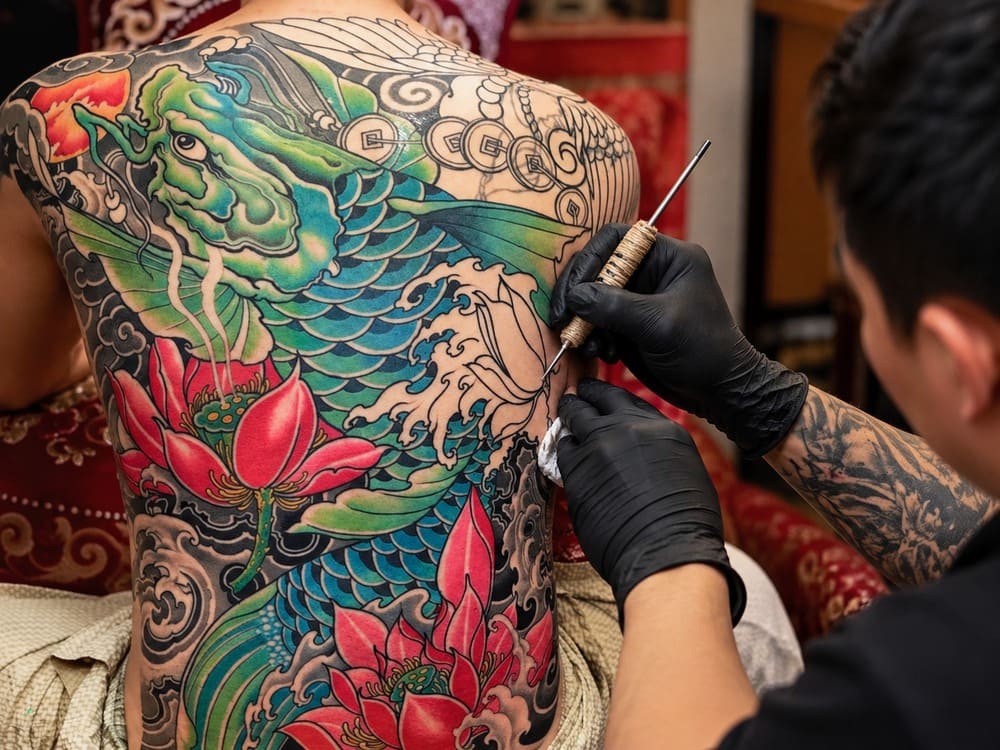
Handpoke tattoos are especially suitable for minimalist artwork, simple symbols, delicate linework, and dotwork patterns. Although skilled handpoke artists can create intricate designs, the process may require considerably more time. Machine tattooing offers greater efficiency for complex compositions, realistic portraits, detailed Japanese tattoos, and designs featuring extensive shading or multiple colors.
5. Ink Saturation And Color Results
Machine tattooing allows artists to build dense ink saturation and smooth color transitions efficiently, making it ideal for bold blackwork and colorful designs. Handpoke tattoos can also achieve solid lines and rich pigmentation when performed correctly, but larger areas of color may take longer to complete. The final result depends on needle technique, ink application, skin characteristics, and the artist’s experience.
6. Healing Process And Skin Recovery
Both handpoke and machine tattoos create small wounds that require proper healing and aftercare. Some handpoke tattoos may cause less irritation when fewer needle passes are needed, but this does not guarantee faster healing. Skin recovery depends on tattoo size, placement, technique, individual health, and aftercare practices. Most surface healing occurs within a few weeks, while deeper skin recovery may take longer.
7. Tattoo Longevity And Fading
Both handpoke and machine tattoos can remain visible for many years when ink is deposited at the appropriate depth. Neither technique automatically guarantees better longevity. Tattoo fading depends on factors such as sun exposure, skin characteristics, ink quality, placement, and aftercare. Poorly applied tattoos may fade unevenly regardless of whether they were created manually or with a machine.
8. Tattoo Cost
The cost of handpoke and machine tattoos varies depending on design complexity, size, placement, and the artist’s experience. Handpoke tattoos may cost more than expected because the manual process can require additional time. Machine tattoos may be more efficient for larger projects, although detailed realism or custom artwork can also be expensive. Comparing individual quotes is more useful than assuming one technique is always cheaper.
Handpoke Vs Machine Tattoo Comparison Table
| Features | Handpoke Tattoo | Machine Tattoo |
|---|---|---|
| Technique | Manual needle punctures | Electric tattoo machine |
| Speed | Generally slower | Generally faster |
| Pain sensation | Individual pricking | Continuous scratching or vibration |
| Best designs | Minimalist, fine line, dotwork | Realism, Japanese, large designs |
| Color saturation | Possible, but time-consuming | Efficient for dense colors |
| Healing | Depends on technique and skin | Depends on technique and skin |
| Longevity | Can last many years | Can last many years |
| Cost | Depends on time and complexity | Depends on time and complexity |
Pros And Cons Of Handpoke Tattoos
Handpoke tattooing offers a distinctive artistic experience, but it also has certain limitations. Understanding its advantages and disadvantages can help you determine whether this technique matches your expectations.
Advantages Of Handpoke Tattoos
One of the biggest advantages of handpoke tattooing is its quiet and controlled process, as no electric tattoo machine is required. This makes it appealing to people who dislike machine noise or vibration. Handpoke is also well suited to small, minimalist designs and delicate dotwork. Additionally, the handmade nature of the technique gives each tattoo a distinctive artistic character.
Disadvantages Of Handpoke Tattoos
The main disadvantage of handpoke tattooing is the time required to complete larger or more detailed designs. Because each puncture is performed manually, extensive shading and dense color application can be challenging and time-consuming. Results also depend heavily on the artist’s experience, particularly when maintaining consistent needle depth and clean lines throughout the design.
Pros And Cons Of Machine Tattoos
Machine tattooing remains a widely used technique in modern tattoo studios because of its versatility and efficiency. However, it also has advantages and limitations worth considering.
Advantages Of Machine Tattoos
Machine tattooing allows artists to complete detailed artwork more efficiently, making it suitable for both small and large designs. It supports various techniques, including fine linework, smooth shading, realistic portraits, and vibrant color application. Professional tattoo machines also provide adjustable operating settings, helping experienced artists achieve consistent results across different tattoo styles and skin areas.
Disadvantages Of Machine Tattoos
Some people find the buzzing sound and vibration of tattoo machines uncomfortable, especially during their first tattoo appointment. Machine tattooing can also cause significant skin irritation if the artist repeatedly works over the same area or uses improper techniques. However, these concerns depend largely on equipment quality, artist experience, and the way the tattoo is performed rather than the machine itself.
Handpoke Vs Machine Tattoo: Which One Hurts More?
Pain is one of the most common concerns when comparing Handpoke Vs Machine Tattoo techniques. However, there is no universal answer because everyone experiences tattoo pain differently.
Handpoke tattooing creates individual needle punctures, which some people describe as gentle pricking sensations. Because there is no machine vibration, the experience may feel calmer and less intimidating. However, the slower process can become uncomfortable during longer sessions.
Machine tattooing produces rapid needle movements that may feel like continuous scratching or stinging. Although the sensation can be intense, machine tattoos are often completed more quickly, which may reduce the total time spent experiencing discomfort.
Several factors influence tattoo pain, including:
- Tattoo placement: Areas with thin skin, prominent bones, or many nerve endings are often more sensitive.
- Tattoo size: Larger designs generally require longer sessions and may cause more discomfort.
- Individual pain tolerance: People respond differently to the same tattooing technique.
- Artist experience: Proper needle control and technique can help minimize unnecessary skin trauma.
- Physical condition: Fatigue, stress, and lack of sleep may influence how you perceive pain.
Ultimately, neither handpoke nor machine tattooing is guaranteed to be less painful. Choosing an experienced tattoo artist and preparing properly for your appointment are more important than selecting a technique based solely on pain expectations.
Which Tattoo Method Is Better For You?
Choosing between handpoke and machine tattooing depends on your preferred design, tattoo size, personal comfort, and expectations for the finished artwork.
Choose Handpoke Tattoos If You Prefer Minimalist Designs
Handpoke tattooing can be an excellent choice for people who appreciate small, meaningful, and minimalist tattoos. Simple symbols, delicate patterns, tiny lettering, and subtle dotwork designs work particularly well with this technique. It may also appeal to those who prefer a quieter tattoo session without the sound or vibration of an electric tattoo machine.
Choose Machine Tattoos For Detailed And Large Designs
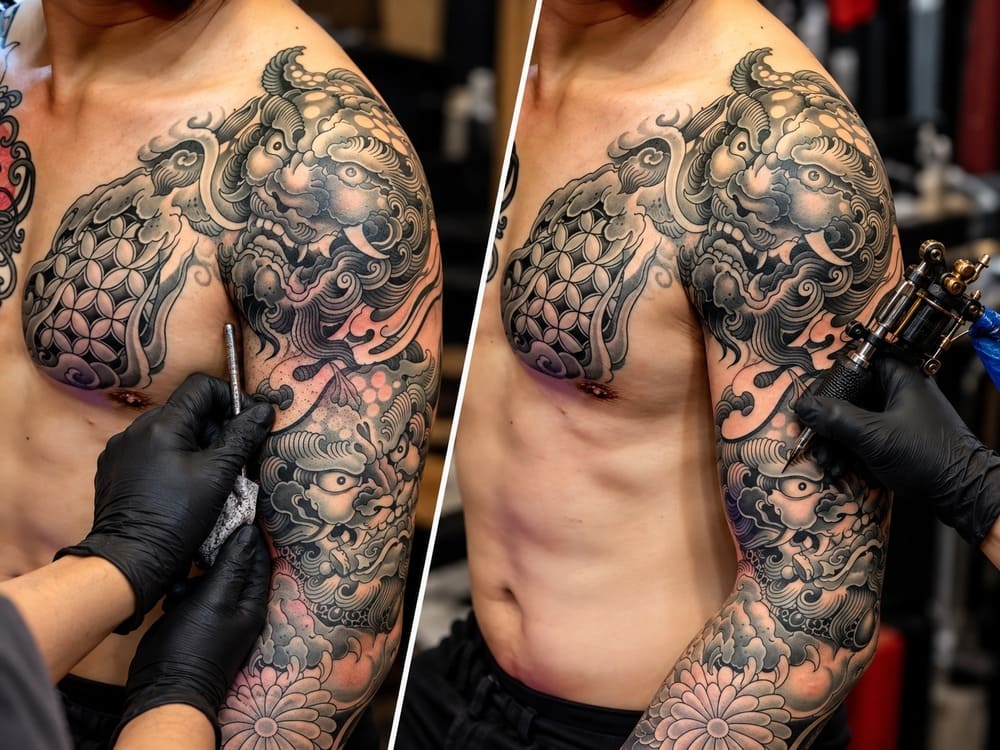
Machine tattooing is generally the more practical option for large-scale artwork and designs requiring extensive shading or color application. Styles such as Japanese tattoos, realism portraits, black and grey tattoos, and full-sleeve compositions often benefit from the efficiency and versatility of modern tattoo machines. This technique allows artists to create intricate details while maintaining consistency across larger areas.
Consider Your Pain Tolerance And Tattoo Budget
Before choosing a tattooing method, consider how comfortable you are with different needle sensations and how much time you can dedicate to the appointment. Budget is another important factor, as pricing varies according to the artist, design, and estimated session duration. Discussing your expectations with a professional tattoo artist can help you choose a technique that suits your preferences and financial plan.
Get A Professional Tattoo At Tattoo Studio 3S In Singapore
Whether you prefer a delicate minimalist tattoo or an elaborate design with intricate details, choosing an experienced tattoo artist is essential for achieving satisfying results. At Tattoo Studio 3S in Singapore, we help clients explore creative tattoo ideas and develop personalized designs that reflect their individual styles.
Our tattoo artists can assist with selecting suitable tattoo placements, sizes, and artistic styles, including Japanese tattoos, realism tattoos, black and grey artwork, and custom designs. We focus on careful design planning, professional tattooing practices, and appropriate hygiene standards to support a positive tattoo experience.
If you are comparing Handpoke Vs Machine Tattoo, our team can discuss your preferred artwork and help you understand which available tattooing techniques may suit your design. Choosing the right method depends on the complexity of your tattoo, desired appearance, and personal expectations.
Ready to create your next tattoo? Contact Tattoo Studio 3S today to discuss your ideas and schedule a consultation with our tattoo artists.
Tattoo Studio 3S
Hotline: +65 8866 1008 / +65 8106 1116
Address: 733 Geylang Road, #02-01, Singapore 389644