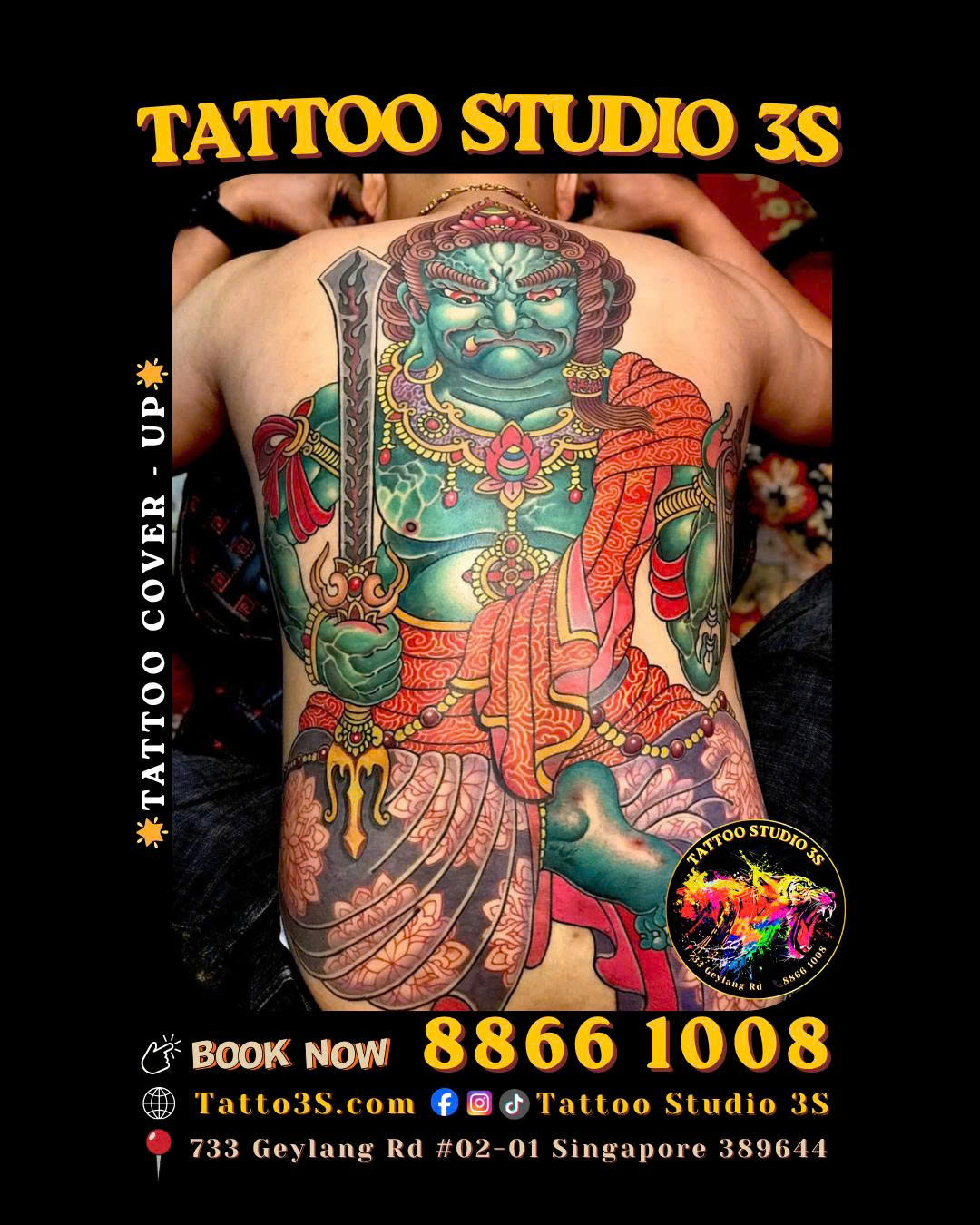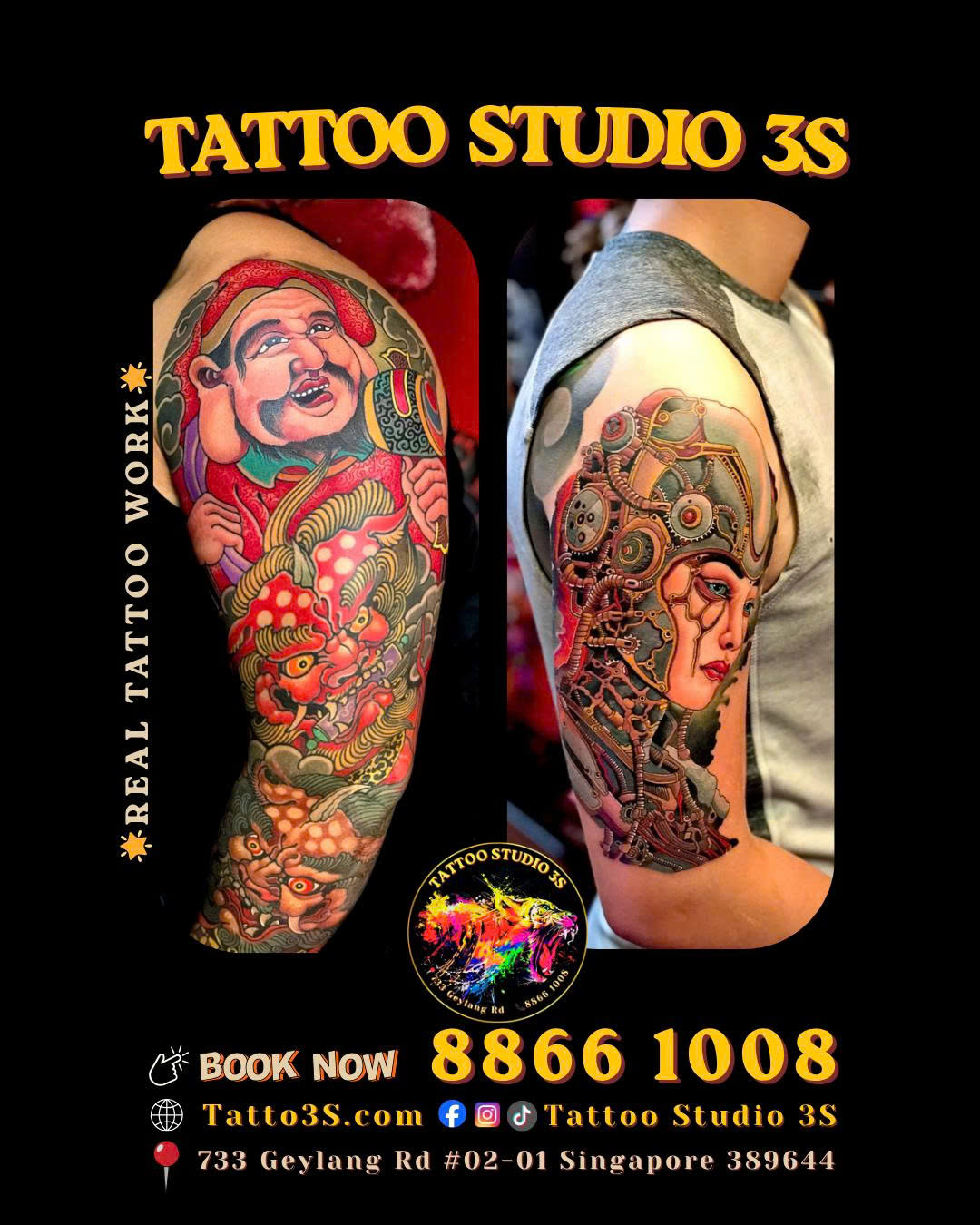
“In Japan, you can’t get a job if you have tattoos!” Have you engineers ever heard this before? Many young people get tattoos because they think it’s fashionable, but quickly regret it when applying for jobs. In reality, tattoos pose a significant obstacle during job interviews.
Therefore, this article will briefly discuss the history of tattoos in Japan, why they cause difficulties in finding employment, and how to address this issue.
The History of Tattoos in Japan
Japanese tattoos are believed to have existed for ten thousand years. During this period, tattoos were similar to jewelry and carried spiritual significance. Later, around 300-600 BC, tattoos became synonymous with criminal acts and were used as a form of punishment. From then on, tattoos often carried negative connotations.
Tattoos in Japanese Society
In Western culture, many tattoos contain unconventional symbols or designs that are inappropriate, even some that evoke feelings of horror or vulgarity. However, since 1970, they have become a trend for expressing personal style. Influenced by this, tattoos have gradually become popular, especially among Japanese youth.
However, the generally negative impression of tattoos has not been completely dispelled, as many members of anti-social organizations such as yakuza gangs often have tattoos (mostly covering their entire bodies). Furthermore, many Japanese hot springs and swimming pools still refuse entry to customers with tattoos, mostly to avoid trouble.
Will Japanese perceptions of tattoos change as the Tokyo 2020 Olympic Games approach?
In just over a year, the 2020 Summer Olympics will be held in Tokyo. Currently, with the increasing number of foreigners visiting Japan, there’s growing debate about the need to change prejudices against people with tattoos. Certainly, most people with tattoos aren’t criminals or delinquents. Furthermore, anti-crime laws specifically restrict yakuza gang members from publicly using hot spring facilities. Therefore, prohibiting people with tattoos from bathing there would be illogical.
Currently, some places allow people to bathe freely, provided they cover their tattoos with special tape. Perhaps the perception of tattoos will become more open, but not in the near future.
Do tattoos create a bad impression during job interviews?
The answer is yes; many Japanese companies don’t want employees with tattoos. To them, having such an employee might seem like he/she is antisocial or associated with other antisocial individuals. It also negatively impacts the company’s overall image, especially with its clients (for example, when visiting the office…). For these reasons, companies often opt for the safer solution of hiring people without tattoos.
Are there any professions where you can get a job even with a tattoo?
If you have a tattoo, it’s actually difficult to find an office job, especially one that involves a lot of interaction with people, such as finance, banking, insurance companies, or large, well-known corporations. Even if you’re lucky enough to get a job without revealing your tattoo during the interview, there’s still a chance it might be revealed during a medical check-up or business trip, etc. In the worst-case scenario, you could even be fired.
Conversely, some industries in Japan still accept tattoos. Examples include design, hairdressing, nail care, clothing companies, and some IT companies. It could be said that these companies value their employees’ abilities, talents, and contributions more than whether or not they have tattoos. The level of strictness usually follows this order: Companies requiring shirts and suits > Companies allowing casual dress > Companies accepting tattoos.
How to remove tattoos and how much does it cost?
Reading this far, if you have a tattoo, you might think, “So I’ll have to get it removed.” There are many ways to do this, such as laser or surgery. However, these procedures are not covered by health insurance, and the cost is usually around 2000 yen per square centimeter of skin, which is quite expensive.
In summary:
It’s not easy to get a job with a tattoo in Japan. If you want a job at a bank, a large corporation, or a government office, you may need to consider removing your tattoo. However, if you are proud of your tattoo and have no intention of removing it, you should find a company and method that suits you.