Getting a tattoo is an exciting experience, but one of the most common questions people ask is, “Does getting a tattoo hurt?” The answer is yes, although the level of discomfort varies significantly from person to person. Some describe tattoo pain as a mild scratching sensation, while others experience sharper or more intense discomfort. Understanding what causes tattoo pain and why everyone experiences it differently can help you prepare for your appointment. In this guide, we explore tattoo pain levels, the factors that influence discomfort, and practical tips to make your tattoo experience more comfortable.
Does Getting A Tattoo Hurt?
Yes, getting a tattoo usually involves some degree of pain because tattoo needles repeatedly penetrate the skin to deposit ink into the dermis. This process stimulates nerve endings, creating sensations that range from mild irritation to noticeable discomfort. However, tattoo pain is not the same for everyone. Some people find the experience relatively manageable, while others may feel significant discomfort, particularly in sensitive areas of the body.
Several factors influence how painful a tattoo feels, including its placement, size, design complexity, session duration, and individual pain tolerance. Your physical condition and emotional state can also affect how you respond to the tattooing process. Although tattooing is rarely completely painless, understanding what to expect can help you feel more confident and prepared.
What Does Tattoo Pain Feel Like?
Tattoo pain can produce different sensations depending on the body area, tattooing technique, and individual sensitivity. Here are some of the most common feelings people experience during and after a tattoo session.
– Sharp Or Stinging Sensation: Many people describe tattoo pain as a series of small, sharp pinpricks against the skin. This sensation is particularly noticeable when the tattoo needle works on sensitive areas or creates fine outlines. The intensity can vary depending on the placement and the individual’s pain tolerance.
– Burning Or Scratching Sensation: Another common description is a burning or scratching feeling, similar to repeated friction against the skin. This sensation may become more noticeable during shading or when the artist works repeatedly over nearby areas. Longer sessions can also make the skin feel increasingly sensitive.
– Vibration And Pressure: Tattoo machines create vibrations that can be felt through the skin and underlying tissues. In areas close to bones, such as the ribs, ankles, or elbows, these vibrations may feel particularly uncomfortable. Some people describe the experience as a combination of pressure, buzzing, and mild pain.
– Soreness After Tattooing: Once the tattoo session ends, the treated area may feel tender, warm, or sore. Mild redness and swelling are also common during the early healing process. These symptoms generally improve over the following days, although healing time depends on the tattoo size, placement, and individual skin response.
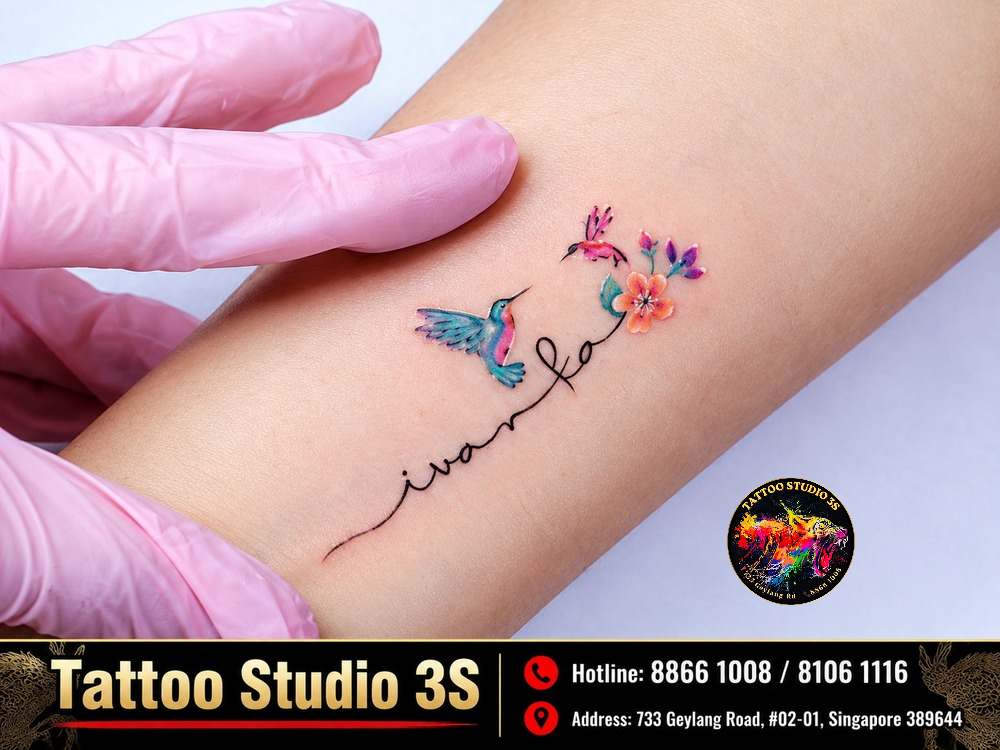
Why Does Tattoo Pain Vary From Person To Person?
Although tattooing involves the same basic process, people can experience very different pain levels. Understanding the following factors can explain why one person may tolerate a tattoo comfortably while another finds the experience challenging.
Individual Pain Tolerance
Everyone has a different pain threshold and tolerance level. Some individuals naturally tolerate uncomfortable sensations better than others due to differences in nervous system responses, genetics, and previous experiences. As a result, the same tattoo placement and technique may produce different pain levels for different people.
Tattoo Placement
The location of a tattoo plays an important role in determining discomfort. Areas with thinner skin, numerous nerve endings, or minimal cushioning over bones often feel more painful. In contrast, areas with more muscle and fatty tissue, such as the outer thigh or upper arm, are generally considered easier to tolerate.
Skin Sensitivity
Skin sensitivity varies between individuals and across different body areas. Sensitive or irritated skin may react more strongly during tattooing, increasing discomfort. Existing skin conditions, inflammation, and previous skin damage can also influence the experience, making it important to discuss any concerns with your tattoo artist beforehand.
Physical And Mental Condition
Your physical and emotional state can significantly affect tattoo pain tolerance. Lack of sleep, stress, anxiety, dehydration, and hunger may make discomfort feel more intense. Feeling relaxed, well-rested, and physically prepared can help you manage the experience more comfortably.
Tattoo Size And Session Duration
Larger tattoos generally require longer sessions, which may increase discomfort as the skin becomes more sensitive. Detailed designs involving extensive shading, intricate patterns, or multiple colors can also require prolonged work. For particularly large tattoos, dividing the design into several sessions may help reduce fatigue and improve comfort.
Tattooing Technique And Artist Experience
The tattoo artist’s technique can influence the overall experience. Needle configuration, machine settings, hand pressure, and tattooing speed all contribute to how the skin responds. An experienced artist who uses appropriate techniques and communicates effectively can help make the process more manageable, although no technique can guarantee a painless tattoo.
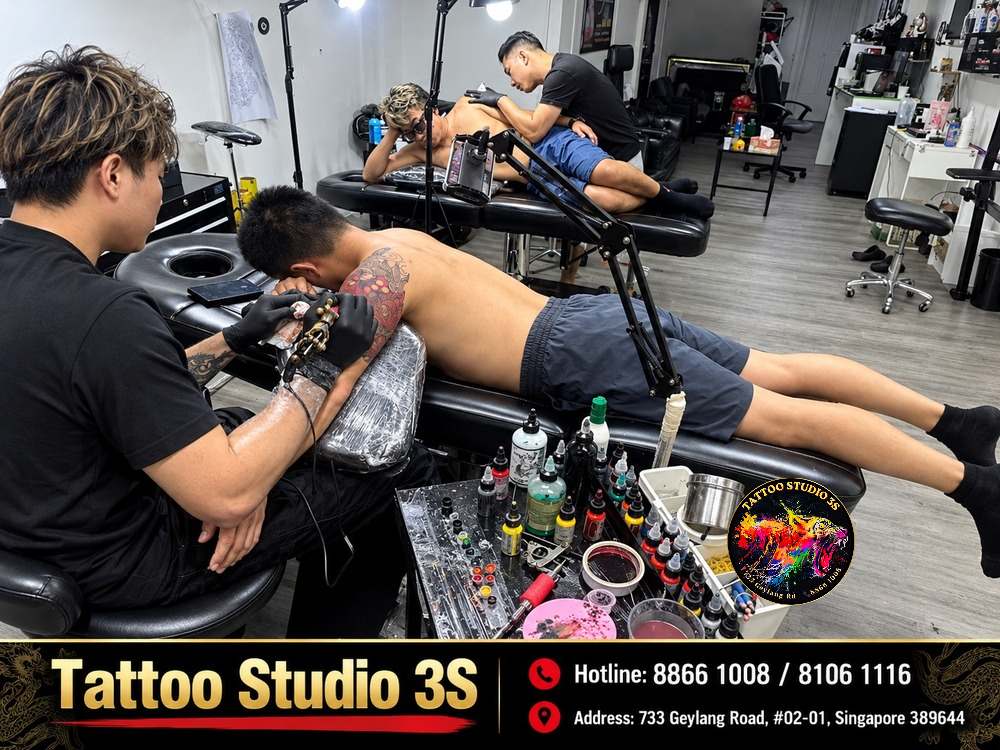
Which Body Parts Hurt The Most And Least When Tattooing?
Tattoo placement is one of the most important factors affecting pain levels. While individual experiences differ, certain body areas are generally considered more sensitive than others.
Most Painful Places To Get A Tattoo
Some body areas tend to produce greater discomfort because they have thinner skin, more sensitive nerve endings, or less cushioning over bones.
- Ribs: The thin skin and proximity to the rib bones can make this area particularly sensitive, especially during breathing movements.
- Spine: Tattooing directly over the vertebrae may create sharp sensations and noticeable vibrations.
- Neck: The neck contains sensitive tissues and nerve endings, making tattooing uncomfortable for many people.
- Elbows And Knees: These areas have limited cushioning over joints and can be challenging to tattoo.
- Hands And Feet: Numerous nerve endings and relatively thin tissue contribute to increased sensitivity.
Pain levels in these locations vary considerably, but they are often more challenging for first-time tattoo clients.
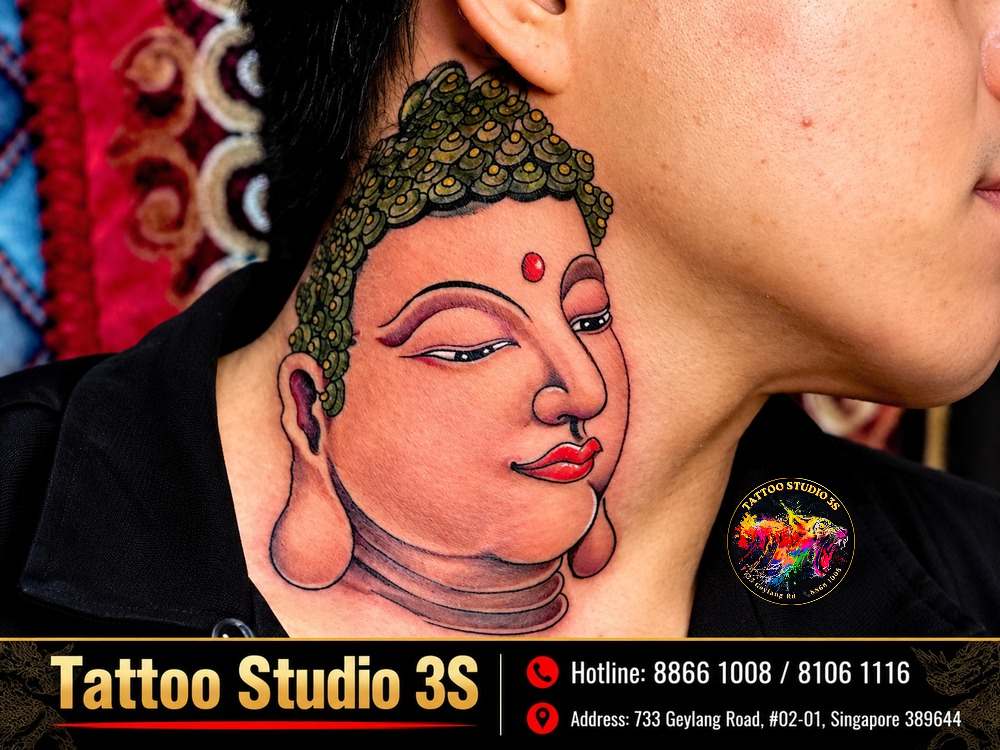
Least Painful Places To Get A Tattoo
Areas with thicker skin, more muscle, or additional fatty tissue are generally easier to tolerate.
- Outer Upper Arm: A popular placement for beginners because it usually offers a manageable level of discomfort.
- Outer Thigh: The muscle and fatty tissue in this area can help cushion the tattooing sensation.
- Forearm: Many people find the outer forearm relatively comfortable, although sensitivity varies across the arm.
- Calf: The muscular portion of the calf is often less sensitive than areas directly over bones.
- Upper Back: Muscular areas away from the spine and shoulder blades may be more comfortable.
If you are getting your first tattoo, choosing a less sensitive placement may help make the experience more enjoyable.
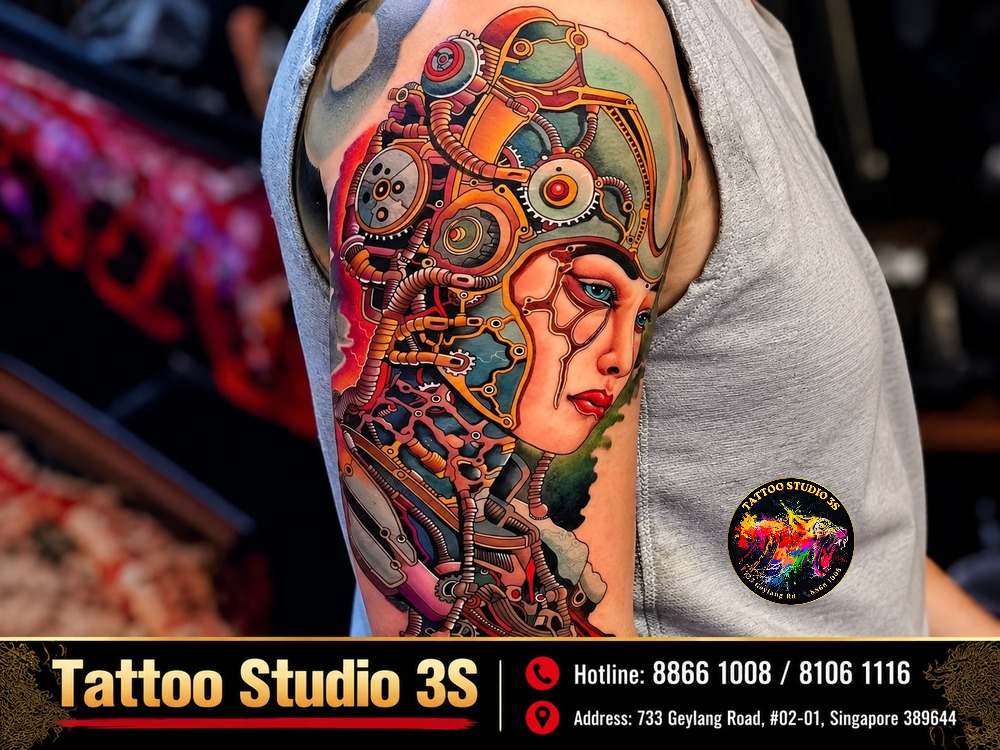
How To Reduce Pain During A Tattoo Session
Although tattoo pain cannot always be avoided, proper preparation and a few practical strategies can help you manage discomfort more effectively.
1. Get Enough Sleep Before Your Appointment
A good night’s sleep helps your body feel rested and better prepared for the tattooing process. Fatigue can make physical discomfort more difficult to tolerate, so avoid scheduling your appointment when you are exhausted.
2. Eat A Proper Meal And Stay Hydrated
Eating a balanced meal before your appointment helps maintain your energy levels and reduces the likelihood of feeling weak or lightheaded. Drinking enough water also supports your overall well-being throughout the session.
3. Avoid Alcohol Before Tattooing
Alcohol can increase bleeding and interfere with your ability to make informed decisions. Avoid drinking alcohol before your tattoo appointment, and follow your artist’s preparation instructions. Do not stop prescribed medications without consulting your healthcare professional.
4. Choose A Comfortable Tattoo Placement
If you are concerned about tattoo pain, consider starting with an area that is generally less sensitive, such as the outer upper arm or thigh. Your tattoo artist can recommend suitable placements based on your design and comfort preferences.
5. Take Breaks During Long Sessions
Extended tattoo sessions can cause fatigue and increased skin sensitivity. Taking short breaks allows you to rest, stretch, and regain your composure. For large or complex designs, scheduling multiple sessions may be more comfortable than completing everything in one appointment.
6. Stay Relaxed And Communicate With Your Artist
Anxiety and muscle tension can make tattooing feel more uncomfortable. Practice slow breathing, listen to music if permitted, and communicate openly with your tattoo artist. If the pain becomes difficult to manage, let your artist know so they can discuss appropriate adjustments or breaks.
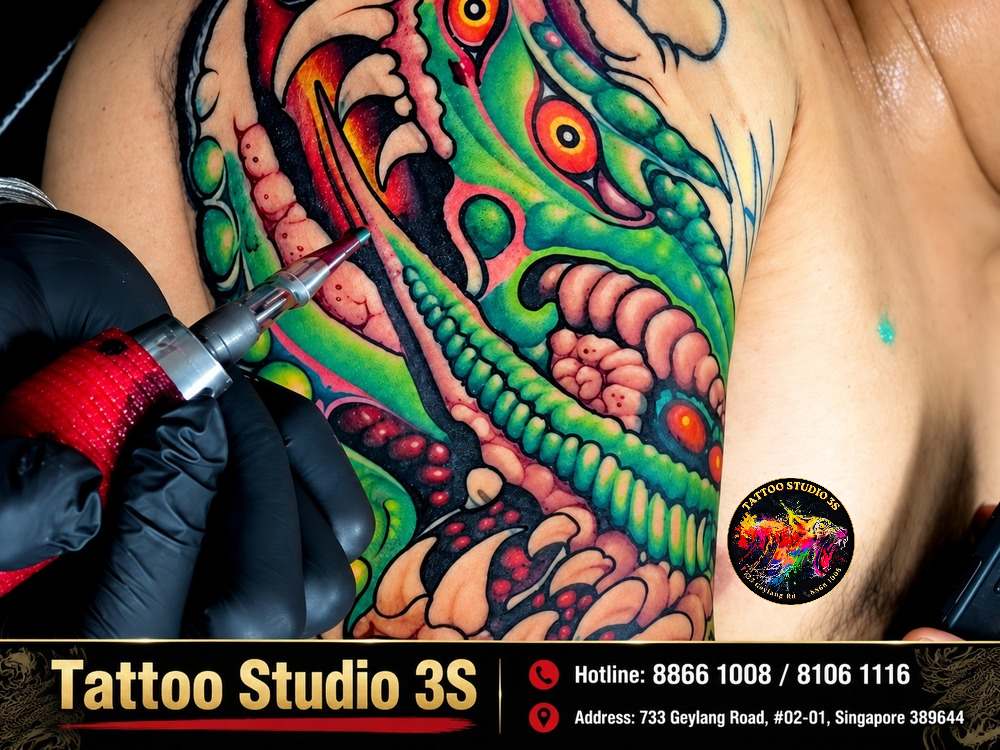
Get A Comfortable Tattoo Experience At Tattoo Studio 3S
Choosing a professional tattoo studio can make a meaningful difference in your overall tattoo experience. At Tattoo Studio 3S in Singapore, we understand that every client has different pain tolerance levels, design preferences, and expectations.
Our tattoo artists provide personalized consultations to help you select suitable tattoo placements, sizes, and styles. Whether you are considering a small minimalist tattoo, a detailed realism design, or a large Japanese-style tattoo, we aim to create a comfortable and professional environment throughout your appointment.
We also guide clients through preparation, tattoo session planning, and essential aftercare instructions. For larger designs, our artists can discuss dividing the tattoo into multiple sessions to help manage discomfort and maintain the quality of the artwork.
If you are wondering whether getting a tattoo will hurt, our team is here to answer your questions and help you prepare with confidence. Contact Tattoo Studio 3S today to discuss your tattoo ideas and schedule a consultation.
Hotline: +65 8866 1008 / +65 8106 1116
Address: 733 Geylang Road, #02-01, Singapore 389644
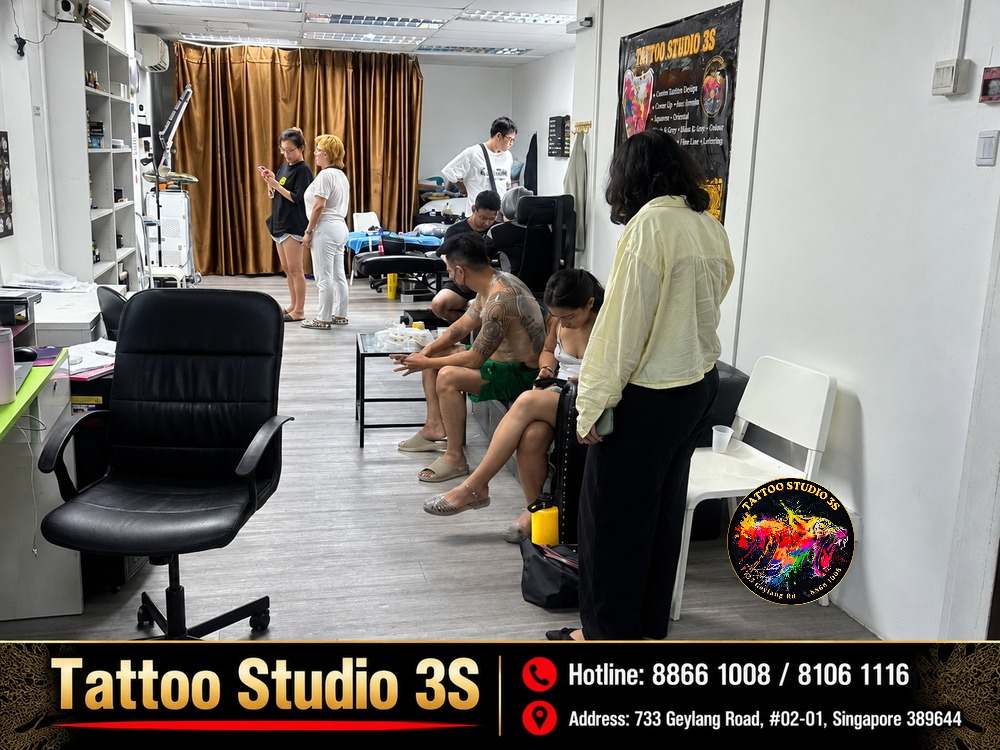
Frequently Asked Questions About Tattoo Pain
Does Getting Your First Tattoo Hurt More?
A first tattoo does not necessarily hurt more than subsequent tattoos, but unfamiliarity with the sensation can make the experience feel more intense. Anxiety and uncertainty may also influence how pain is perceived. Choosing a manageable tattoo size and a less sensitive placement can help first-time clients feel more comfortable.
Does Tattoo Pain Get Worse Over Time?
Tattoo pain can become more noticeable during longer sessions as the skin becomes irritated and your body grows tired. However, some people become accustomed to the sensation after the initial stages. The experience depends on tattoo placement, session duration, and individual pain tolerance.
Do Colored Tattoos Hurt More Than Black Tattoos?
Colored tattoos are not inherently more painful than black tattoos. However, designs requiring extensive color packing, shading, or repeated work over nearby skin areas may cause additional discomfort. The tattooing technique and duration generally influence pain more than the ink color itself.
Can You Use Numbing Cream Before Getting A Tattoo?
Some topical numbing creams can temporarily reduce skin sensitivity, but they should only be used after discussing them with your tattoo artist and, when appropriate, a healthcare professional. Certain products may irritate the skin, affect the tattooing process, or cause adverse reactions. Avoid applying high-strength numbing products or using them over large areas without medical guidance.
How Long Does Tattoo Pain Last After The Session?
Mild soreness, tenderness, and redness are common during the first few days after tattooing. These symptoms should gradually improve as the skin heals, although larger tattoos may remain sensitive for longer. Increasing pain, spreading redness, pus, or fever may indicate an infection and should be assessed by a healthcare professional.