Getting a tattoo is an exciting experience, but proper healing is essential to maintaining its appearance and protecting your skin. After tattooing, your skin goes through several recovery stages, including redness, peeling, dryness, and regeneration. Understanding these tattoo healing stages can help you recognize normal changes, avoid common mistakes, and care for your new ink effectively. Although most tattoos appear healed within a few weeks, complete skin recovery can take longer. In this guide, we explore the tattoo healing process, typical recovery timelines, factors affecting healing, and essential aftercare tips.
How Long Does A Tattoo Take To Heal?
Most tattoos take approximately 2-4 weeks for the outer layer of skin to heal, although deeper skin layers may require several months to recover completely. The exact healing time depends on tattoo size, placement, technique, skin condition, and individual healing ability. During the first few days, your tattoo may appear red, swollen, and sensitive. As healing progresses, the skin can become itchy, dry, and flaky before gradually returning to its normal texture. Even when the tattoo looks healed on the surface, the underlying tissue may still be recovering. Following appropriate tattoo aftercare instructions throughout this period helps minimize irritation, reduce complications, and preserve the appearance of your tattoo.
The 4 Main Tattoo Healing Stages
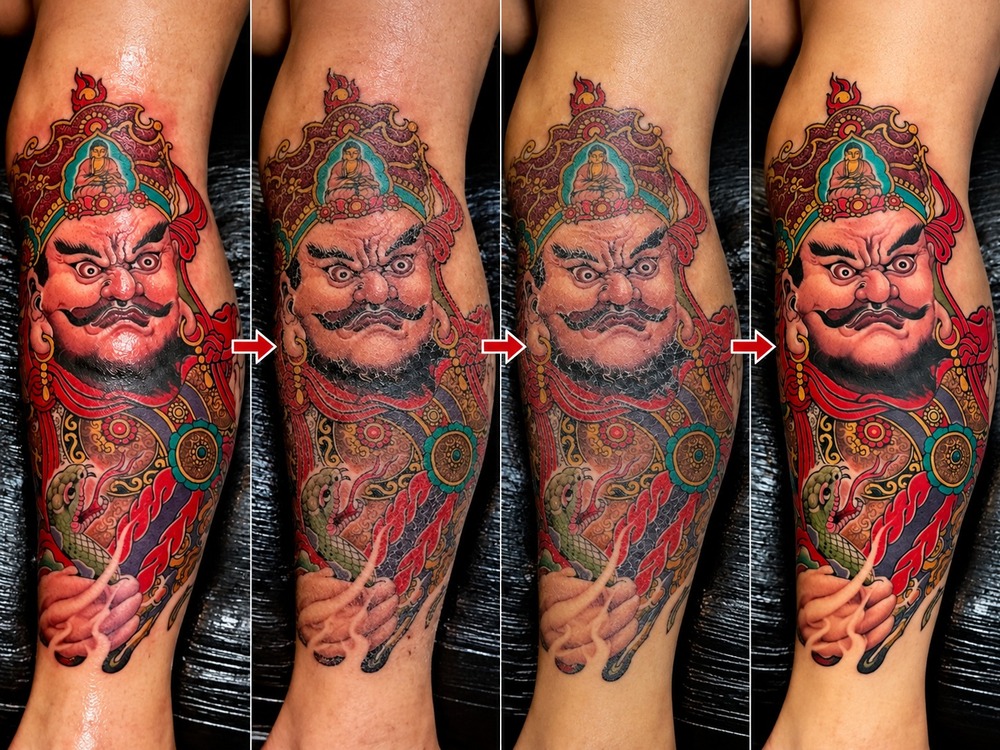
The tattoo healing process can be divided into four general stages. Each stage involves different skin changes, and understanding what to expect can make recovery more comfortable.
Stage 1: Redness, Swelling And Oozing (Days 1-3)
Immediately after tattooing, your skin begins responding to the tiny punctures created by the tattoo needles. During this initial stage, mild redness, swelling, tenderness, and warmth around the tattoo are common. You may also notice small amounts of clear fluid, plasma, or excess ink on the skin’s surface.
These reactions are part of the body’s natural healing response and should gradually improve. Follow your tattoo artist’s instructions for removing or changing the protective dressing, and clean the area gently when appropriate. Avoid touching the tattoo with unwashed hands or exposing it to unnecessary friction.
Stage 2: Itching, Scabbing And Peeling (Days 4-7)
As the skin begins repairing itself, the tattoo may develop thin scabs, dryness, and itching. Some areas may start peeling, similar to the way skin flakes after mild sunburn. This is a common part of tattoo recovery as damaged surface skin cells are replaced.
Although itching can be uncomfortable, scratching or picking at scabs may damage healing skin and affect the tattoo’s appearance. Instead, keep the area clean and apply a thin layer of suitable fragrance-free moisturizer as recommended by your tattoo artist. Peeling may begin later than day seven for some people.
Stage 3: Dryness And Skin Regeneration (Days 8-14)
During this stage, peeling and scabbing often begin to decrease as the outer skin continues regenerating. However, the tattoo may still feel dry, tight, or slightly itchy. Some tattoos develop a temporary cloudy or dull appearance while new skin forms over the ink.
Continue moisturizing gently and avoid activities that irritate the healing area. Do not force remaining scabs or peeling skin to come off. Allowing the skin to recover naturally helps protect the tattoo and reduces the risk of unnecessary damage.
Stage 4: Skin Recovery And Tattoo Settling (Days 15-30 And Beyond)
By the third or fourth week, many tattoos have largely healed on the surface. Redness, peeling, and tenderness should have significantly decreased, and the tattoo’s colors and details may become more visible as the skin settles.
However, deeper skin recovery can continue for several months. Larger tattoos, heavily shaded designs, and areas exposed to frequent movement may require additional healing time. Continue caring for your skin and avoid assuming that a tattoo is completely healed simply because it looks normal.
Factors That Affect Tattoo Healing Time
Not everyone experiences the same tattoo healing timeline. Several factors can influence how quickly the skin recovers and how comfortable the healing process feels.
– Tattoo Size And Placement: Larger tattoos generally involve a greater area of injured skin and may require more careful aftercare. Tattoos placed on joints, hands, feet, or areas exposed to frequent friction can also experience additional irritation during recovery. Choosing comfortable clothing and minimizing unnecessary rubbing can help protect these areas.
– Tattoo Style And Ink Density: Different tattoo styles involve varying levels of needlework and ink saturation. Designs featuring extensive shading, solid black sections, or dense color packing may cause more skin irritation than smaller, lightly detailed tattoos. However, healing time also depends on technique and individual skin response, not simply the amount of ink used.
– Skin Type And Individual Healing Ability: Skin sensitivity, age, overall health, and individual healing responses can influence tattoo recovery. Some people experience minimal peeling, while others develop more noticeable dryness and itching. Certain medical conditions or medications may also affect wound healing, making professional medical guidance important when necessary.
– Tattoo Aftercare Routine: Proper aftercare plays an important role in maintaining healthy skin throughout the healing process. Cleaning the tattoo gently, using suitable moisturizing products, and avoiding contamination can reduce irritation. Neglecting aftercare or applying inappropriate products may delay recovery and increase the risk of complications.
– Lifestyle And Overall Health: Adequate sleep, balanced nutrition, hydration, and general well-being support the body’s natural repair processes. Smoking, excessive alcohol consumption, repeated friction, and activities that expose a fresh tattoo to bacteria may interfere with recovery. Maintaining healthy habits can make the healing period more manageable.
How To Take Care Of Your Tattoo During Healing
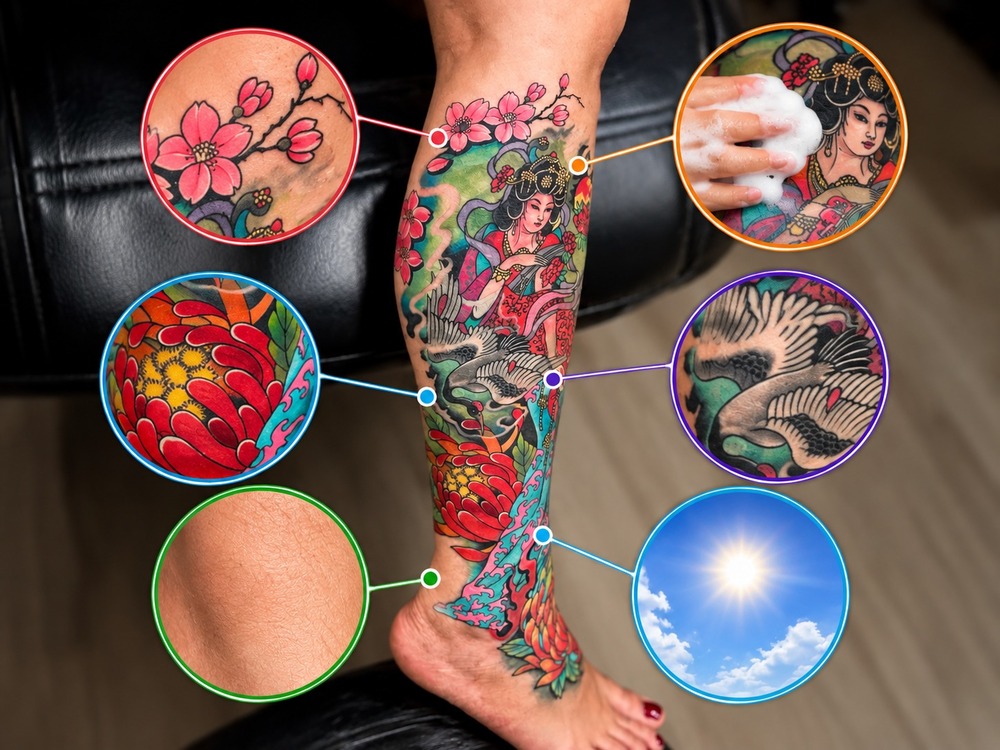
Following a consistent tattoo aftercare routine helps protect your new tattoo while the skin repairs itself. These essential practices can support a smoother recovery.
Keep Your Tattoo Clean
Wash your hands before touching your tattoo. Once the initial dressing has been removed according to your artist’s instructions, gently clean the area with lukewarm water and a mild, fragrance-free cleanser. Avoid scrubbing or using rough washcloths. Pat the tattoo dry with a clean disposable paper towel rather than rubbing the skin.
Moisturize Your Tattoo Properly
Applying a thin layer of fragrance-free moisturizer can help relieve dryness and maintain skin comfort during healing. Choose products suitable for sensitive skin and follow your tattoo artist’s recommendations. Avoid applying excessively thick layers, as over-moisturizing may leave the skin overly damp and irritated.
Avoid Scratching Or Picking Scabs
Itching and peeling are common during tattoo healing, but scratching or removing scabs prematurely can damage recovering skin. This may contribute to irritation, scarring, or uneven tattoo appearance. Allow flakes and scabs to detach naturally, and use gentle moisturizing to manage dryness.
Protect Your Tattoo From Sun Exposure
Fresh tattoos should be protected from direct sunlight while healing. UV exposure can irritate damaged skin and affect the appearance of tattoo pigments over time. During recovery, use loose, breathable clothing to cover the area when appropriate. Once the tattoo has fully healed, apply broad-spectrum sunscreen with SPF 30 or higher to help protect the design.
Avoid Swimming And Excessive Friction
Swimming pools, hot tubs, lakes, and seawater can expose healing tattoos to microorganisms and prolonged moisture. Avoid soaking your tattoo until the skin has completely healed. Tight clothing, heavy rubbing, and activities that repeatedly stretch the tattooed area should also be limited when they cause irritation.
Normal Tattoo Healing Signs Vs. Warning Signs
Recognizing the difference between normal recovery and potential complications is important for protecting your skin. While mild irritation is expected, certain symptoms may require medical attention.
Normal Signs Of Tattoo Healing
Common signs of normal healing include mild redness, temporary swelling, slight tenderness, itching, dryness, and peeling. Small amounts of clear fluid may also appear shortly after tattooing. These symptoms should generally improve over time rather than become progressively worse. The tattoo may temporarily look dull or cloudy as new skin develops.
Signs Your Tattoo May Be Infected
Warning signs include redness that spreads or worsens, increasing pain, significant swelling, excessive warmth, pus, unpleasant-smelling discharge, or fever. Red streaks extending from the tattoo are particularly concerning. If you notice these symptoms, seek prompt medical evaluation rather than attempting to treat a possible infection with tattoo aftercare products alone.
Common Mistakes That Can Slow Down Tattoo Healing
Even with professional tattooing techniques, improper aftercare can interfere with recovery. Avoiding common mistakes can help protect both your skin and your tattoo’s appearance.
- Picking At Scabs: Removing scabs before they fall off naturally can injure healing skin and increase the risk of scarring.
- Using Too Much Moisturizer: Applying thick layers of cream may cause excessive moisture buildup and irritation.
- Exposing Fresh Tattoos To Sunlight: Direct UV exposure can irritate sensitive skin during recovery.
- Swimming Before Healing: Soaking a fresh tattoo may increase the risk of infection and interfere with skin repair.
- Wearing Tight Clothing: Constant rubbing can irritate the tattoo and disturb peeling skin.
- Using Harsh Skincare Products: Alcohol-based cleansers, exfoliating products, and heavily fragranced lotions may cause discomfort.
- Ignoring Unusual Symptoms: Increasing pain, spreading redness, or unusual discharge should not be dismissed as normal healing.
Understanding these mistakes helps you maintain a safer and more comfortable tattoo recovery process.
Professional Tattoo Services At Tattoo Studio 3S
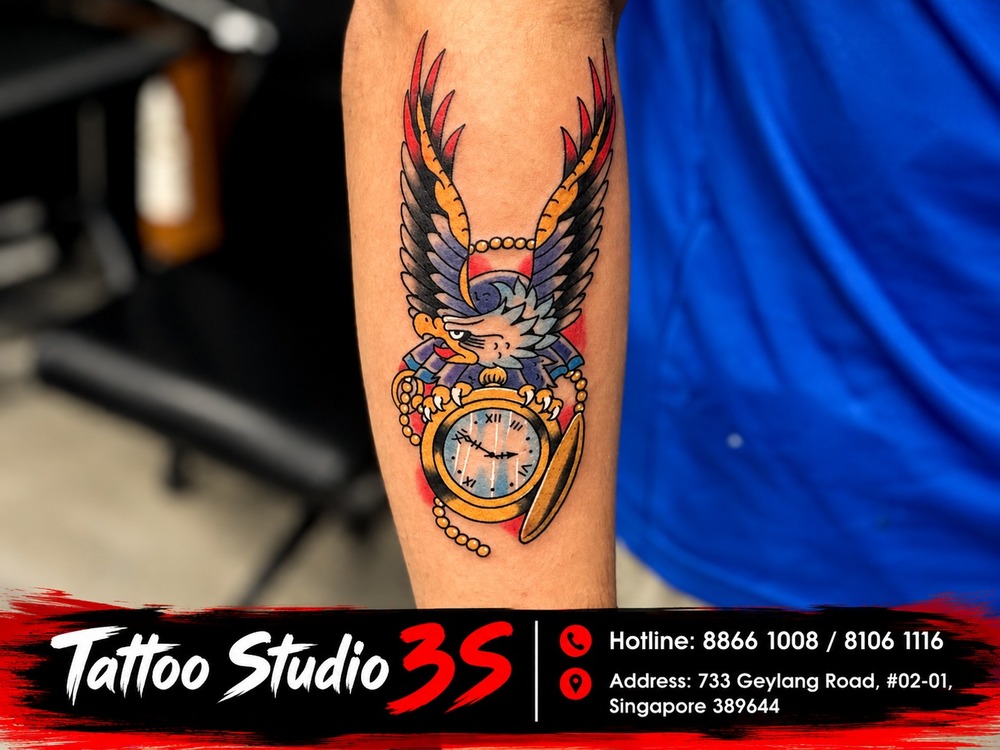
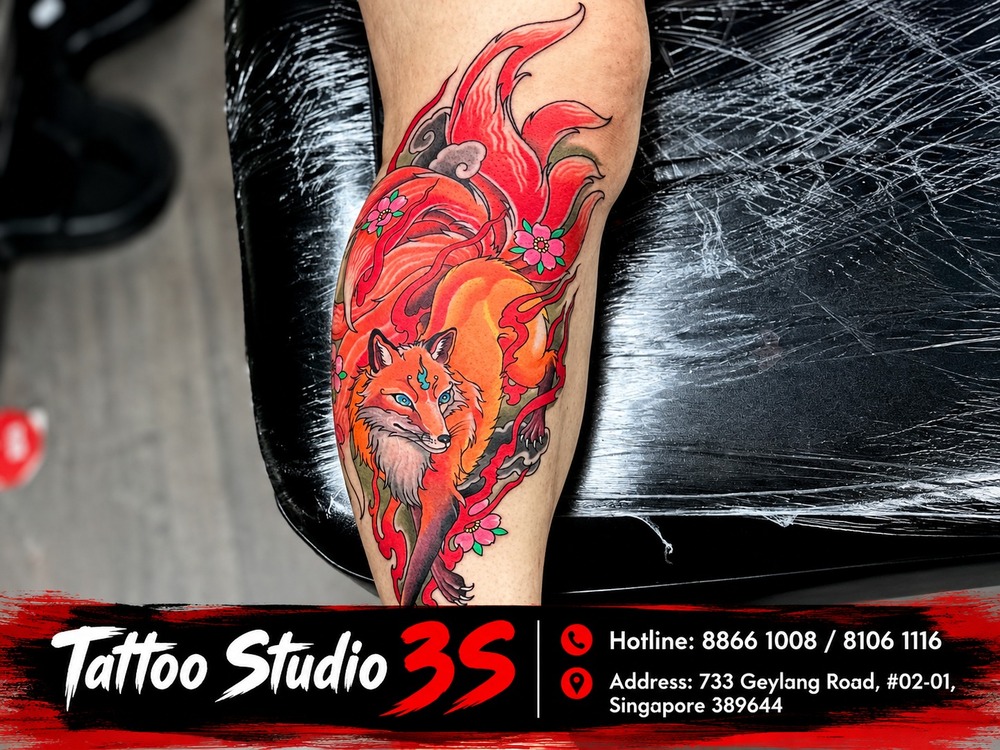
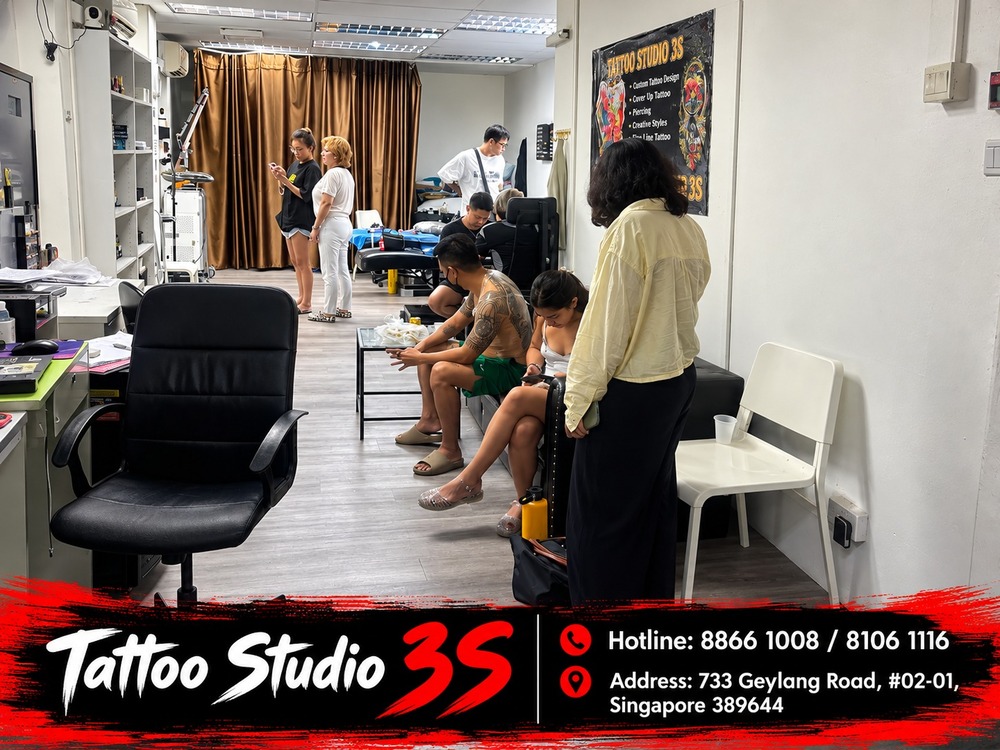
Choosing a professional tattoo studio is an important step toward achieving a beautiful tattoo and receiving appropriate aftercare guidance. At Tattoo Studio 3S in Singapore, we focus on personalized tattoo designs, careful techniques, and maintaining hygienic working practices.
Whether you are interested in a Japanese tattoo, realism tattoo, black and grey tattoo, or minimalist design, our tattoo artists can help you explore suitable styles, placements, and compositions. We also provide guidance on caring for your tattoo during the healing stages to help you understand what to expect after your session.
A well-designed tattoo deserves proper attention during recovery. Contact Tattoo Studio 3S to discuss your tattoo ideas, learn more about the tattooing process, and arrange a consultation.
Tattoo Studio 3S
Hotline: 8866 1008 / 8106 1116
Address: 733 Geylang Road, #02-01, Singapore 389644
Frequently Asked Questions About Tattoo Healing
How Do I Know If My Tattoo Is Healing Properly?
A tattoo is generally healing normally when redness, swelling, and tenderness gradually decrease. Mild itching, peeling, and dryness are common during recovery. The skin should become more comfortable over time, without increasing pain, spreading redness, or unusual discharge.
Is It Normal For A Tattoo To Peel?
Yes, peeling is a normal part of the tattoo healing process. It usually begins several days after tattooing as the outer layer of damaged skin sheds naturally. Avoid pulling or scratching peeling skin, as doing so may cause irritation and affect the tattoo’s appearance.
Can I Shower With A New Tattoo?
Yes, you can generally take short showers with a new tattoo once your artist’s dressing instructions allow it. Use lukewarm water, avoid direct high-pressure water, and do not scrub the area. If you have a specialized protective film, follow its specific care instructions. Avoid soaking the tattoo in baths or swimming pools until it has healed.
Why Does My Tattoo Look Dull During Healing?
A tattoo may temporarily appear cloudy, faded, or less vibrant as the outer skin regenerates. Dryness, peeling, and newly formed skin can affect how the ink looks. The design often becomes clearer as healing progresses, although its final appearance may differ slightly from the fresh tattoo.
When Can I Exercise After Getting A Tattoo?
Light activity may be possible relatively soon after tattooing, depending on the tattoo’s location and how your skin feels. However, intense exercise, heavy sweating, friction, and repeated stretching may irritate the area. Avoid workouts that disturb the healing tattoo and return to more demanding activities gradually.
How Long Should I Apply Tattoo Aftercare Cream?
Tattoo aftercare cream or fragrance-free moisturizer is commonly used during the initial healing period, often for approximately 2–4 weeks, depending on the skin’s condition and the product instructions. Apply only a thin layer as needed and follow your tattoo artist’s guidance. Continuing to moisturize after healing can also help maintain healthy skin.