
Getting a tattoo is an exciting way to express your personality, creativity, and meaningful experiences. However, certain medical conditions, medications, and health concerns can increase the risks associated with tattooing. Understanding when to consult a doctor before getting a tattoo can help you make informed decisions and protect your health. Whether you are planning your first tattoo or adding another design to your collection, knowing the potential health risks is an essential part of preparing for a safe tattoo experience.
Why Is It Important To Consult A Doctor Before Getting A Tattoo?
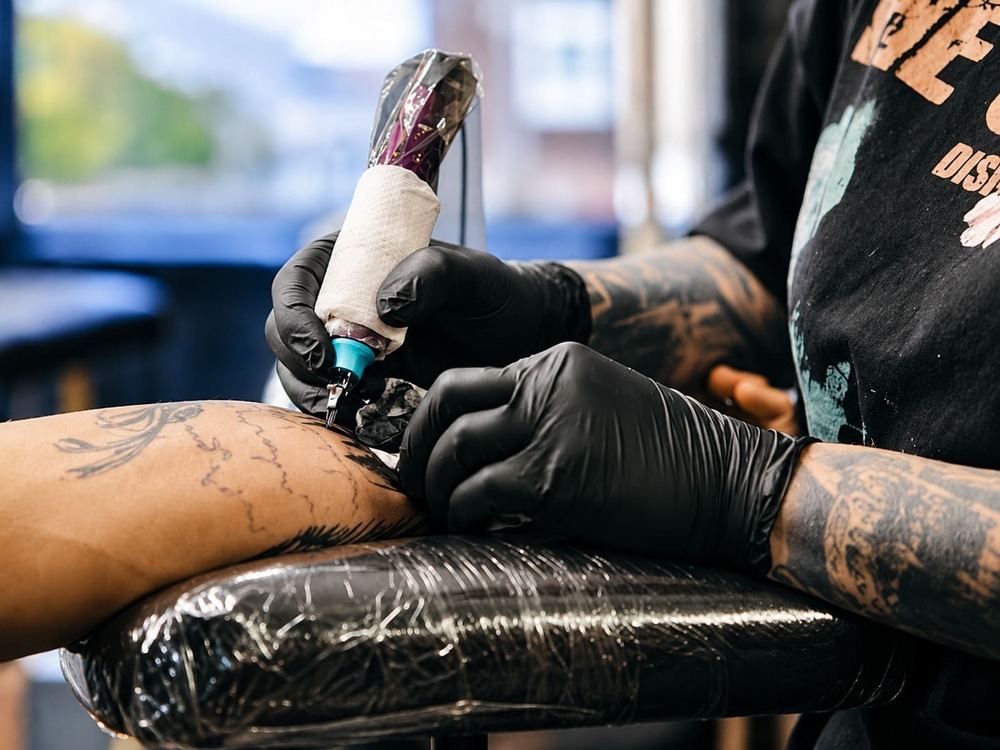
Tattooing involves inserting ink into the dermis using needles, creating thousands of tiny punctures in the skin. Although tattooing is generally well tolerated when performed under hygienic conditions, it still involves potential risks such as infections, allergic reactions, excessive bleeding, and delayed wound healing.
People with certain medical conditions may face additional complications. For example, individuals with poorly controlled diabetes may experience slower healing, while those taking blood-thinning medications may have an increased risk of bleeding during the tattooing process.
Consulting a healthcare professional before getting a tattoo allows you to understand your individual risks, determine whether additional precautions are necessary, and decide if postponing your appointment would be safer.

Medical Conditions That Require A Doctor’s Advice Before Getting A Tattoo
Certain medical conditions can affect how your skin responds to tattooing and how effectively your body heals afterward. If you have any of the following conditions, seeking professional medical advice before booking a tattoo appointment is recommended.
1. Diabetes
People with diabetes, particularly those with poorly controlled blood sugar levels, may experience delayed wound healing and an increased risk of skin infections. Since tattooing creates small wounds in the skin, maintaining stable blood glucose levels is important. Before getting a tattoo, consult your doctor to assess your diabetes management and discuss whether the planned tattoo placement is appropriate, especially if you have poor circulation or reduced sensation.
2. Heart Disease And Certain Heart Conditions
Individuals with certain heart conditions should seek medical advice before getting a tattoo, particularly those with prosthetic heart valves, a history of infective endocarditis, or specific congenital heart conditions. Although uncommon, bacteria entering the bloodstream during procedures that break the skin may pose additional concerns for susceptible individuals. A cardiologist can help assess your personal risk and recommend appropriate precautions.
3. Blood Clotting Disorders
People with bleeding disorders, such as hemophilia or certain platelet disorders, may experience prolonged bleeding or excessive bruising during tattooing. This can complicate the procedure and affect the healing process. If you have a diagnosed blood clotting disorder, consult your hematologist before scheduling an appointment to determine whether tattooing is appropriate and what precautions may be required.
4. Skin Conditions Such As Eczema And Psoriasis
Chronic skin conditions such as eczema, psoriasis, and dermatitis can make the skin more sensitive to irritation and inflammation. Tattooing over actively affected skin may worsen symptoms, interfere with healing, or trigger new lesions. People with psoriasis may also experience the Koebner phenomenon, in which skin trauma causes new patches to develop. A dermatologist can help determine whether your condition is stable enough for tattooing.
5. Weakened Immune System
Individuals with weakened immune systems may have a higher risk of infection and slower recovery after tattooing. This includes some people receiving immunosuppressive medications, organ transplant recipients, and individuals with certain immune disorders. Because the immune system plays an important role in wound healing, medical evaluation is recommended before getting a tattoo. Your doctor can assess whether tattooing is suitable based on your current health and treatment.
6. History Of Severe Allergic Reactions
Tattoo inks contain pigments and other ingredients that may trigger allergic reactions in susceptible individuals. Symptoms can include persistent itching, swelling, redness, or raised skin around the tattoo. If you have experienced severe allergic reactions to tattoo ink, cosmetics, or related substances, consult a dermatologist or allergy specialist before proceeding. It is important to understand that a negative patch test cannot guarantee that a tattoo ink will not cause a reaction.
7. Hepatitis Or Other Chronic Liver Diseases
People with hepatitis or chronic liver disease should discuss tattooing with their healthcare provider, especially if their condition affects blood clotting, immunity, or overall health. Advanced liver disease may increase bleeding and infection risks. Professional tattoo studios should follow strict infection-control procedures for every client, including using sterile needles and preventing cross-contamination, regardless of a person’s medical history.
8. Keloid Scarring
Individuals who are prone to developing keloids or raised scars should carefully consider the potential risks of tattooing. Because tattoo needles repeatedly penetrate the skin, the procedure may trigger abnormal scar formation in susceptible people. Keloids can extend beyond the original injury and may be difficult to treat. Consulting a dermatologist can help you understand the risks, particularly when considering tattoos on areas such as the chest, shoulders, or upper back.

Other Situations When You Should Seek Medical Advice Before Getting A Tattoo
Even without a chronic medical condition, certain circumstances can make tattooing less suitable or require additional precautions.
1. Pregnancy Or Breastfeeding
Getting a tattoo during pregnancy is generally best postponed because of concerns about infection, allergic reactions, and limited evidence regarding the safety of tattoo pigments during pregnancy. Breastfeeding presents different considerations, and research on tattoo ink exposure during this period remains limited. If you are pregnant or breastfeeding, discuss your plans with a healthcare professional before deciding when to get tattooed.
2. Taking Blood Thinners Or Certain Medications
Medications such as warfarin, apixaban, rivaroxaban, and certain antiplatelet drugs can increase bleeding during tattooing. Other treatments, including immunosuppressants and some medications affecting skin health, may influence healing. Always inform your doctor about the medications you take before getting a tattoo. Never stop or adjust prescribed medication without medical guidance.
3. Recent Surgery Or Medical Procedures
If you have recently undergone surgery or another medical procedure, your body may still be recovering. Tattooing too soon could introduce additional stress, particularly if your immune system is weakened or the surgical wound has not fully healed. The appropriate waiting period depends on the type of procedure, your recovery, and the tattoo location. Ask your surgeon or treating doctor when it is safe to proceed.
4. Active Skin Infections Or Open Wounds
Tattooing over infected, inflamed, or damaged skin can worsen existing problems and increase the likelihood of complications. Conditions such as bacterial skin infections, active rashes, and open wounds should be addressed before tattooing. It is generally advisable to postpone your appointment until the affected area has fully healed and your healthcare professional confirms that tattooing is appropriate.
5. Undergoing Cancer Treatment
Cancer treatments such as chemotherapy and certain targeted or immune therapies may affect immunity, blood cell counts, and wound healing. As a result, tattooing during active treatment may carry additional risks. If you are receiving cancer treatment or recovering from it, consult your oncology team before scheduling a tattoo. They can help determine whether your health status and treatment schedule make tattooing appropriate.
What Should You Ask Your Doctor Before Getting A Tattoo?
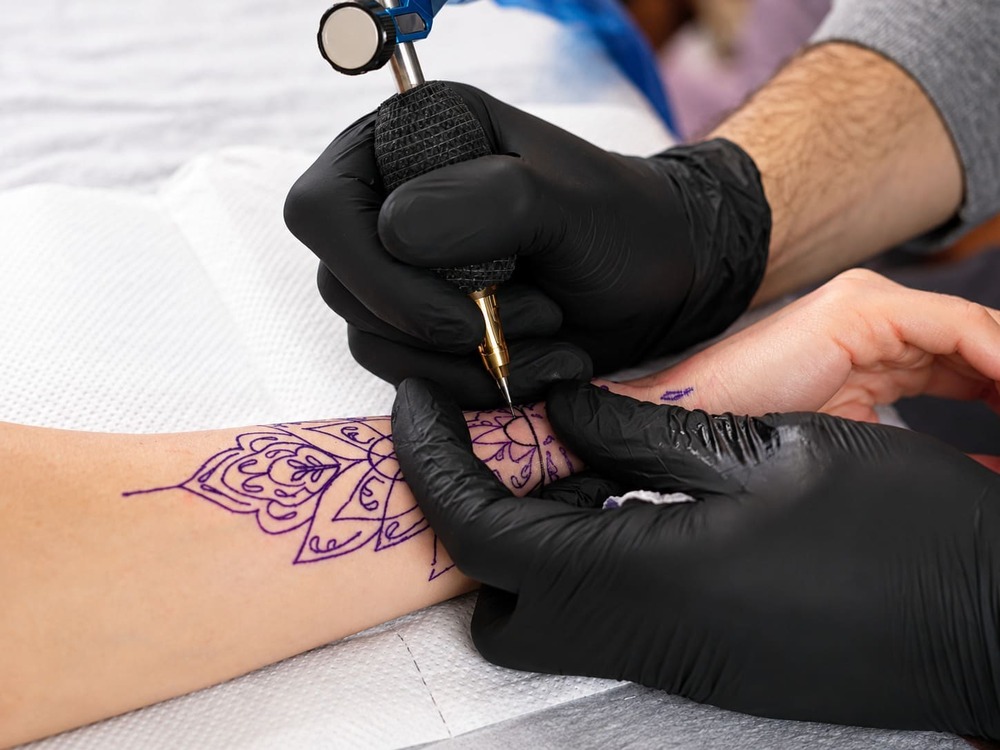
Preparing a few questions before your medical consultation can help you better understand the potential risks and necessary precautions.
- Is it safe to get a tattoo with my current health condition? Your doctor can assess whether your medical history makes tattooing more complicated.
- Could my medications affect tattoo healing? Certain medications may increase bleeding, influence immunity, or delay skin recovery.
- Am I at a higher risk of infection or bleeding? Understanding these risks can help you make an informed decision.
- Are there any tattoo placements I should avoid? Some areas may be unsuitable due to poor circulation, existing skin conditions, scars, or medical devices.
- Should I wait until my condition improves before getting tattooed? In some cases, postponing the appointment may reduce potential complications.
Providing accurate information about your medical history allows your doctor to offer recommendations tailored to your individual circumstances.

Essential Tattoo Safety Tips Before Your Appointment
Whether you have an existing health condition or are generally healthy, following appropriate safety precautions can help reduce tattoo-related risks.
Choose A Professional And Hygienic Tattoo Studio
Selecting a reputable tattoo studio is one of the most important steps in reducing infection risks. Look for a studio that uses sterile, single-use needles, appropriate protective equipment, and properly disinfected workstations. Tattoo artists should follow established hygiene procedures and use inks and equipment handled according to relevant safety standards.
Inform Your Tattoo Artist About Relevant Health Concerns
Before your appointment, inform your tattoo artist about any health concerns that may affect the procedure, including allergies, bleeding risks, or skin sensitivities. You do not need to disclose unrelated private medical information. However, sharing relevant concerns can help the artist understand your needs and determine whether medical clearance or postponement is advisable.
Avoid Tattooing Irritated Or Damaged Skin
Healthy skin provides a better foundation for tattooing and recovery. Avoid getting tattooed over sunburned areas, active rashes, infected skin, or unhealed wounds. Tattooing damaged skin may increase discomfort, interfere with ink application, and contribute to complications. Allow the affected area to recover before proceeding with your appointment.
Follow Proper Tattoo Aftercare Instructions
Proper aftercare helps protect your new tattoo while the skin heals. Follow your tattoo artist’s instructions for gentle cleansing, moisturizing, and protecting the area from irritation. Avoid scratching, picking scabs, or exposing the healing tattoo to swimming pools and other potentially contaminated water. If your doctor provides specific wound-care advice, follow their medical recommendations.
Watch For Signs Of Infection Or Allergic Reactions
Mild redness, tenderness, and swelling may occur shortly after tattooing. However, worsening pain, spreading redness, increasing warmth, pus, or fever may indicate an infection requiring medical attention. Persistent itching, raised bumps, or unusual swelling may suggest an allergic reaction. Seek medical evaluation promptly if concerning symptoms develop, and obtain emergency care for breathing difficulties or severe allergic symptoms.
Get A Safe And Professional Tattoo Experience At Tattoo Studio 3S
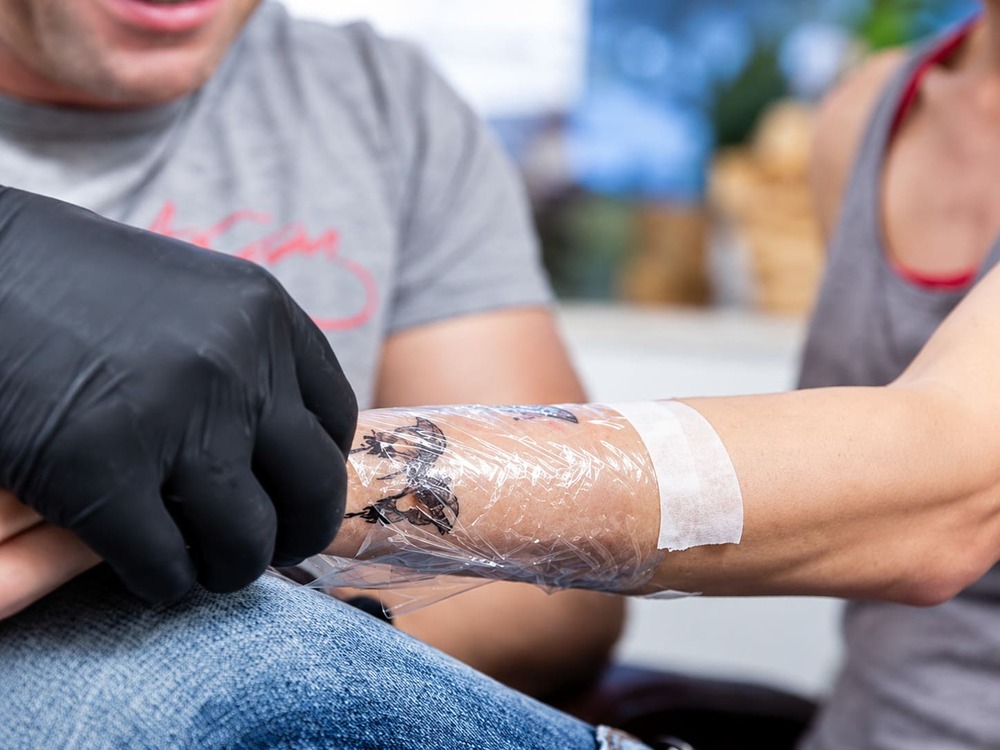
Choosing the right tattoo studio is an important part of creating meaningful body art. At Tattoo Studio 3S in Singapore, we understand that a successful tattoo experience involves more than an attractive design. Careful preparation, hygienic tattooing practices, and proper aftercare are essential considerations for every client.
Whether you are interested in a Japanese tattoo, realism tattoo, minimalist design, or custom artwork, our tattoo artists can help you explore suitable styles, sizes, and placements based on your preferences. We also encourage clients to communicate relevant health concerns before their appointments.
If you have an existing medical condition, take certain medications, or are unsure whether tattooing is appropriate for you, consult a qualified healthcare professional first. Medical advice can help you make an informed decision before proceeding.
Ready to bring your tattoo ideas to life? Contact Tattoo Studio 3S to discuss your design and arrange a consultation.
Tattoo Studio 3S
Hotline: +65 8866 1008 / +65 8106 1116
Address: 733 Geylang Road, #02-01, Singapore 389644