
Finger, hand, and foot tattoos have become increasingly popular among people who want unique and meaningful body art. These placements offer creative ways to express individuality, but they also come with challenges related to pain, fading, and healing. Before making your decision, it’s important to understand what makes these areas different from other tattoo placements. At Tattoo Studio 3S, you can explore suitable designs and receive professional guidance to help you make an informed choice.
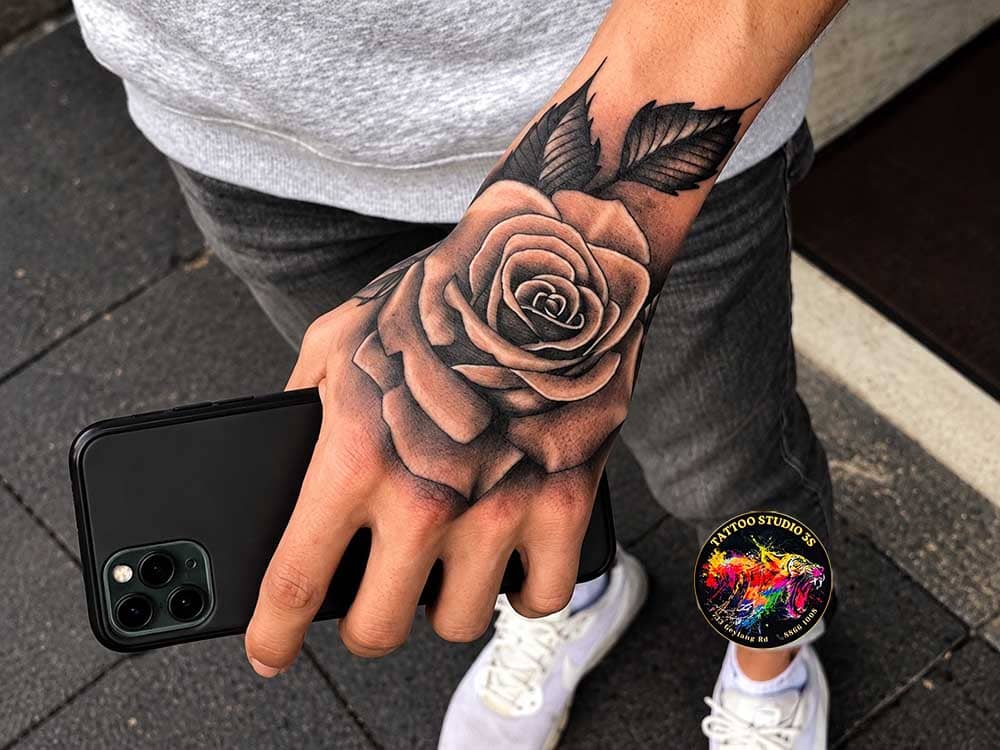
Why Are Finger, Hand And Foot Tattoos So Popular?
Finger, hand, and foot tattoos are popular because they offer a distinctive way to express personal style. From minimalist symbols and delicate lettering to intricate ornamental patterns, these placements can accommodate a variety of creative designs. Finger tattoos are often chosen for their subtle appearance and personal meanings, while hand tattoos create a bold visual statement. Foot tattoos provide greater flexibility, allowing individuals to display or conceal their artwork depending on their footwear. Another reason for their popularity is the growing interest in small, meaningful tattoos. However, these placements require careful consideration because the skin experiences frequent movement, friction, and daily exposure.
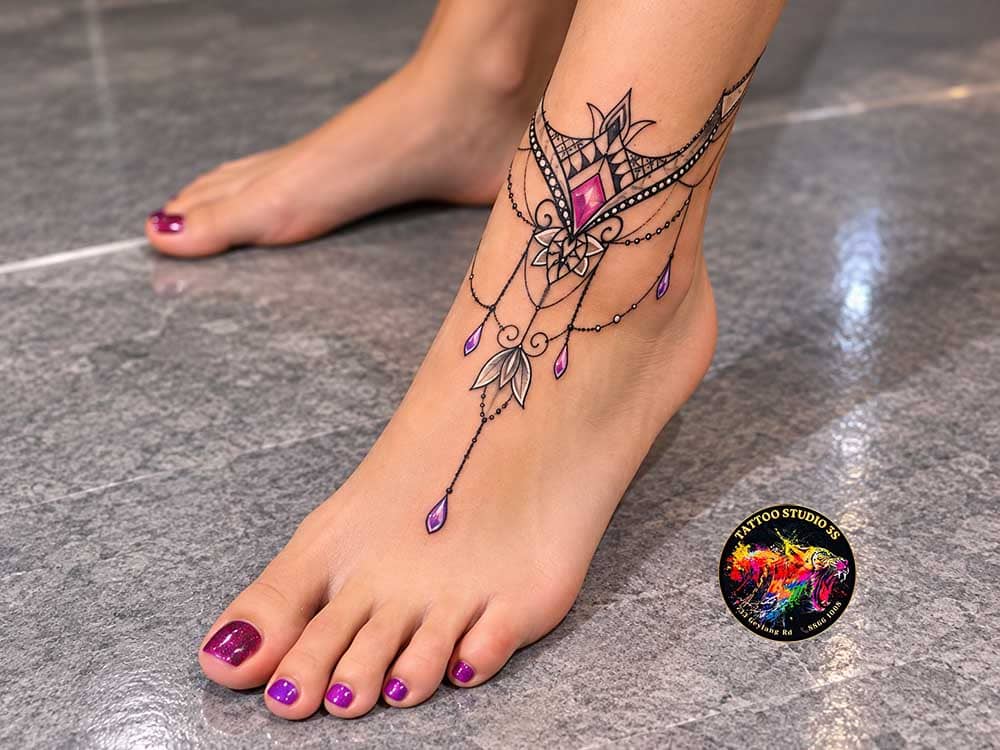
Should You Get A Tattoo On Your Fingers, Hands Or Feet?
Choosing between finger, hand, and foot tattoos depends on your preferred design, pain tolerance, lifestyle, and expectations for long-term appearance. Each placement offers unique advantages but also presents certain limitations.
Finger Tattoos – Small But Meaningful
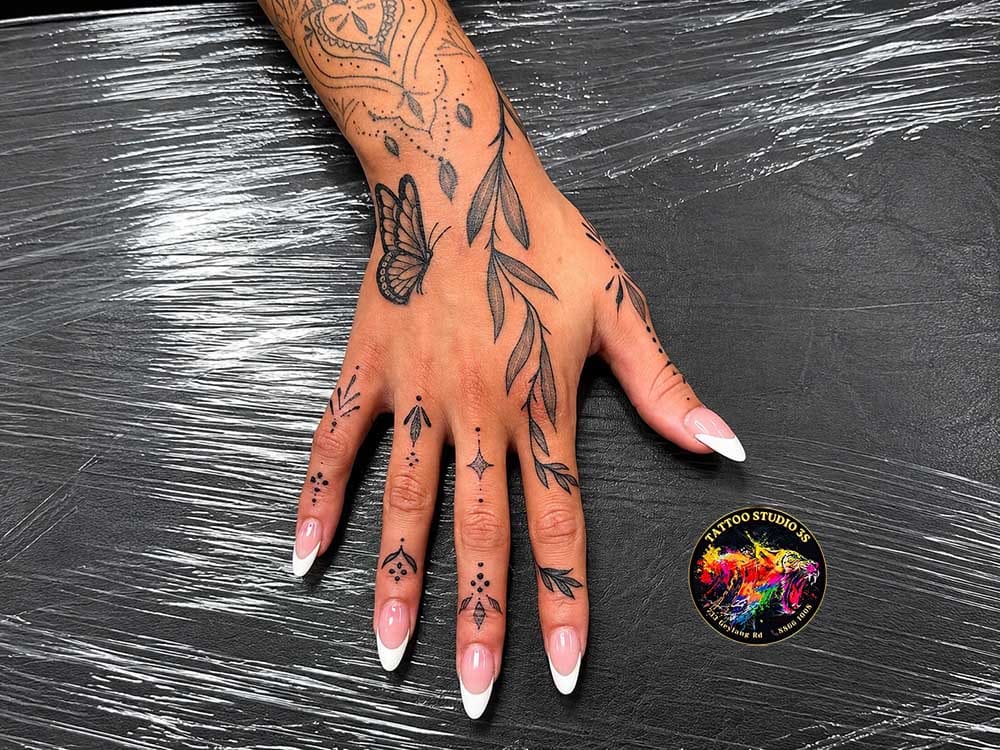
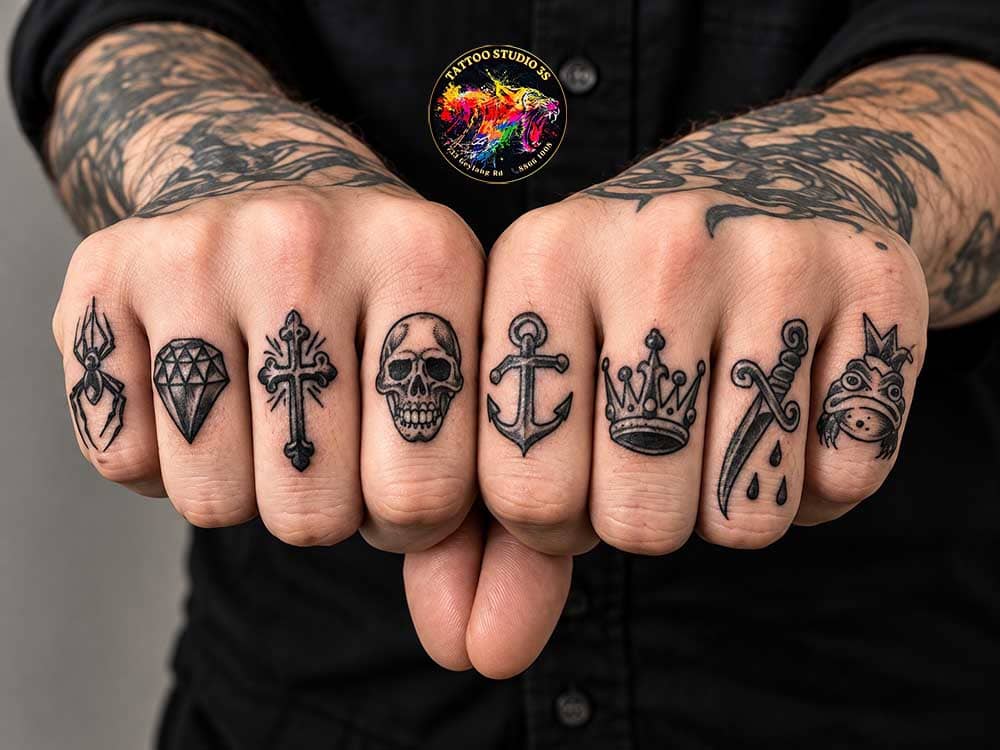
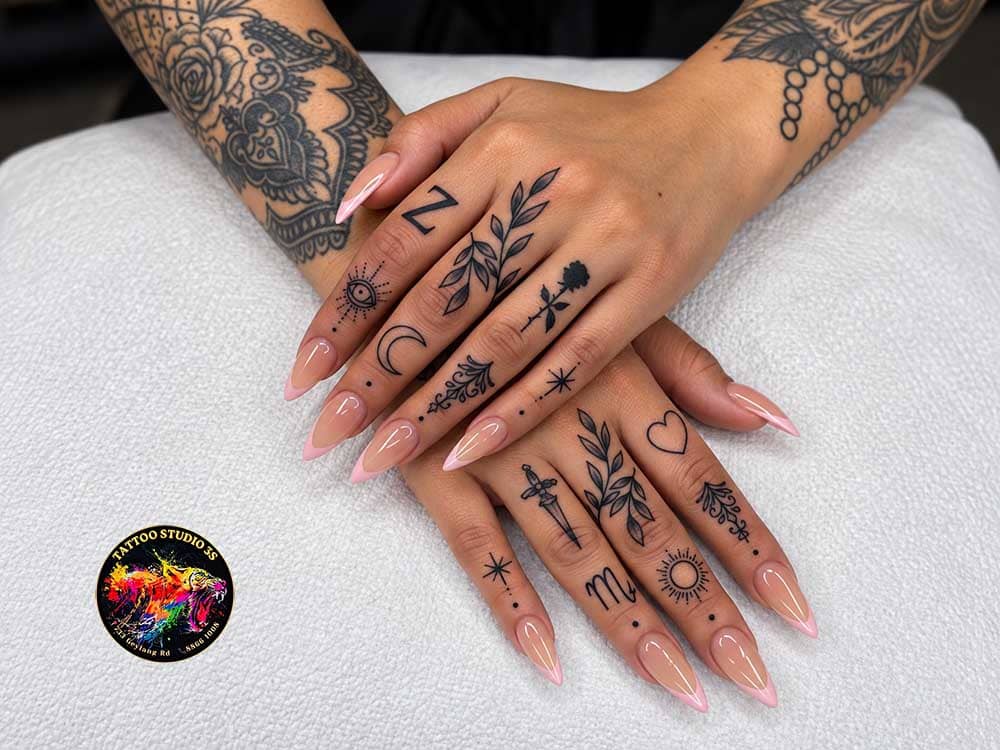
Finger tattoos are ideal for individuals who prefer small, simple designs with personal significance. Popular options include initials, tiny flowers, symbols, numbers, and minimalist geometric patterns. These tattoos can look elegant while carrying meaningful messages. However, finger tattoos are particularly vulnerable to fading and uneven ink retention due to frequent washing, friction, and constant movement. Fine details may become less defined over time, making simple designs with clear lines a more practical choice.
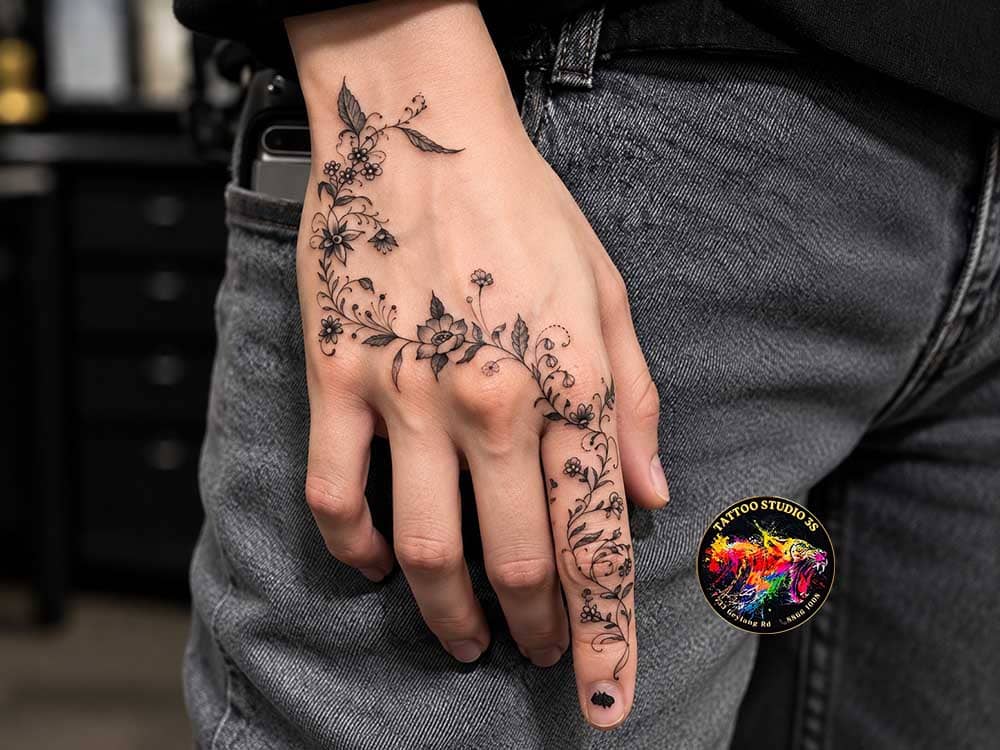
Hand Tattoos – Bold And Eye-Catching
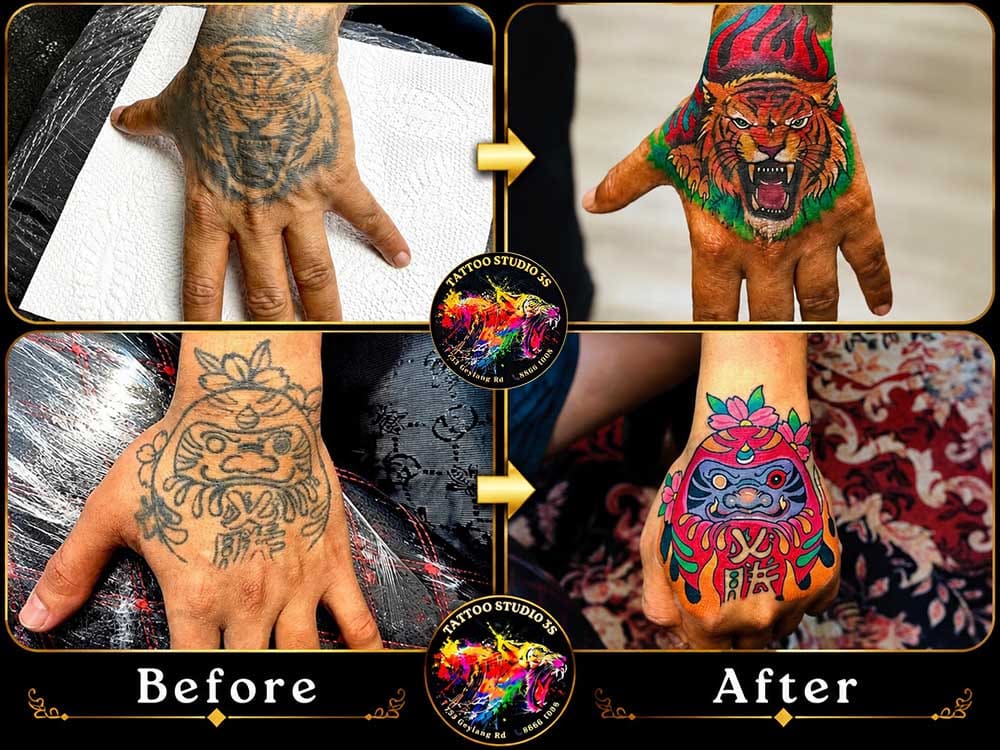
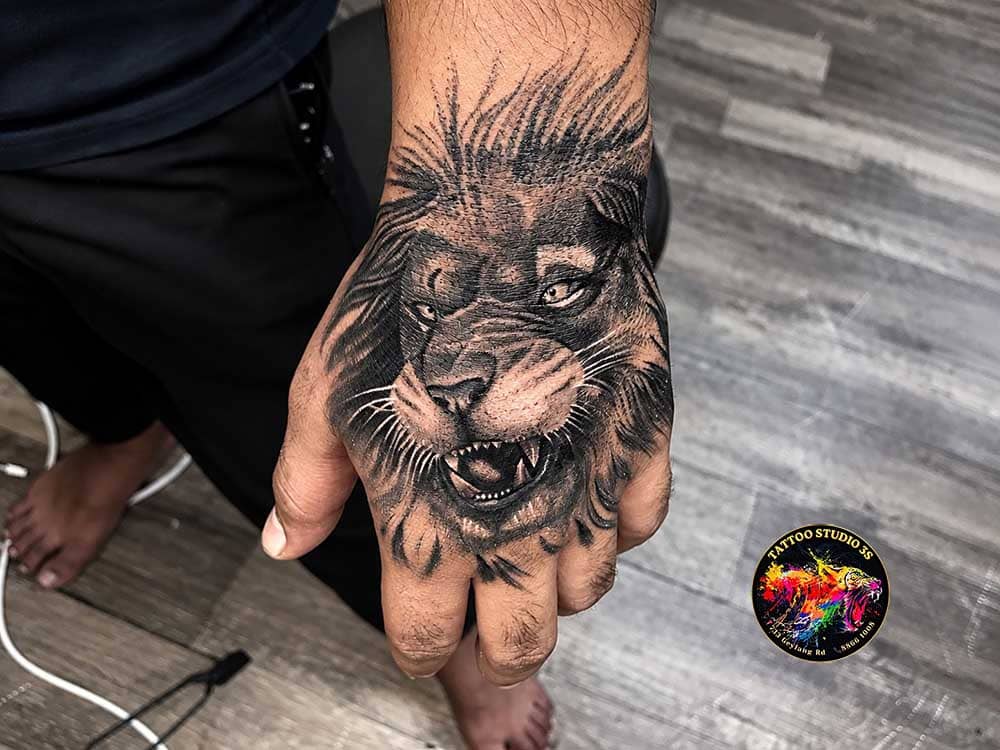
Hand tattoos are an excellent option for people who want visible and expressive body art. Designs such as roses, mandalas, animals, ornamental patterns, and traditional symbols can create a striking appearance across the back of the hand. Because hands are constantly exposed to sunlight, washing, and daily activities, these tattoos may require additional maintenance. Their visibility can also affect professional or social situations, so it’s important to consider your lifestyle before choosing this placement.
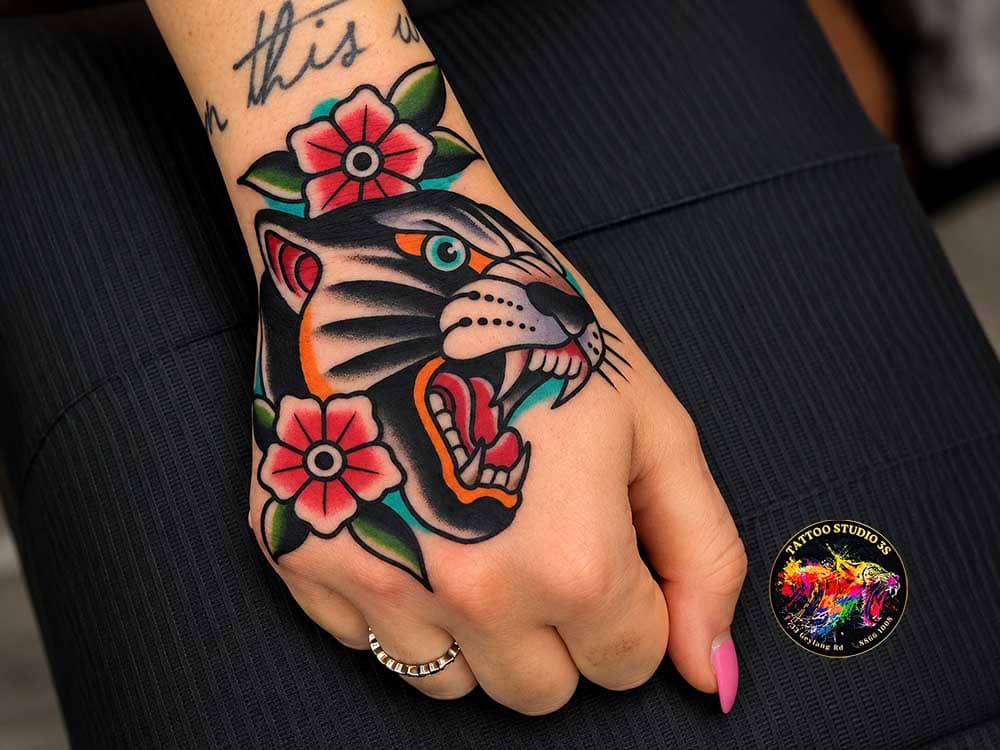
Foot Tattoos – Unique And Versatile
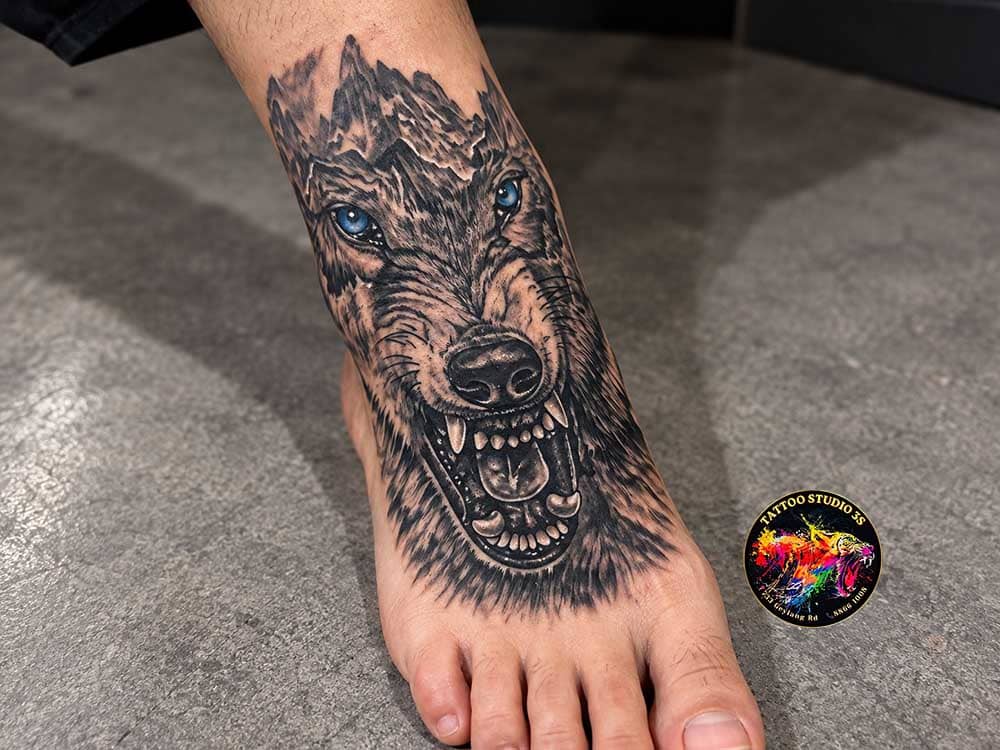
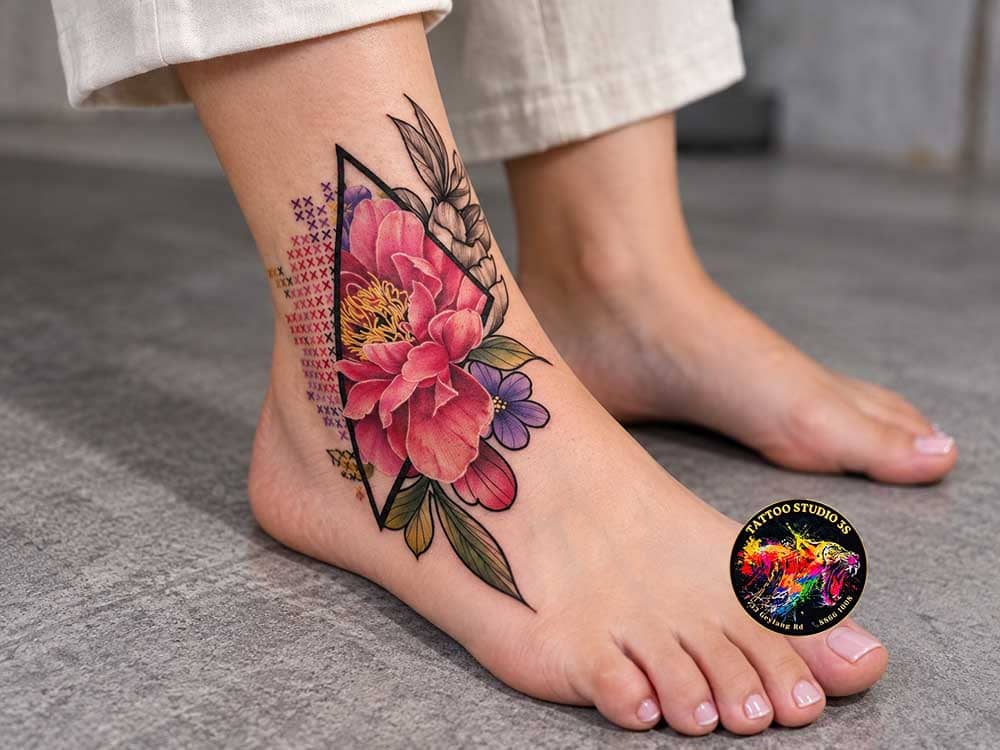
Foot tattoos offer a balance between creativity and flexibility. Popular designs include floral arrangements, butterflies, ornamental patterns, meaningful quotes, and delicate linework. The top or side of the foot can provide an attractive canvas for personalized artwork. One advantage of foot tattoos is that they can be concealed with footwear when necessary. However, pressure from shoes, friction, and regular walking can make the healing process more challenging, particularly during the first few weeks.
Pros And Cons Of Finger, Hand And Foot Tattoos
Understanding the advantages and disadvantages of these placements can help you determine whether they match your expectations and daily routine.
Advantages Of These Tattoo Placements
Finger, hand, and foot tattoos offer several appealing benefits. Their unique positioning allows for creative expression, while different design options make them suitable for both minimalist and detailed artwork.
- Unique Appearance: These placements create distinctive tattoos that stand out from more traditional body locations.
- Personal Expression: Small symbols, meaningful words, and artistic patterns can represent important memories or beliefs.
- Versatile Designs: Various tattoo styles, including fine line, geometric, floral, and ornamental designs, can be adapted to these areas.
- Flexible Visibility: Foot tattoos can often be concealed, while finger and hand tattoos provide more visible forms of self-expression.
- Small Tattoo Options: Certain designs require relatively little space, making them suitable for people who prefer compact artwork.
Disadvantages You Should Consider
Despite their visual appeal, these tattoo placements come with challenges that should not be overlooked. The combination of sensitive skin, frequent movement, and environmental exposure can affect both the tattooing experience and long-term results.
- Higher Pain Sensitivity: Thin skin and limited cushioning around bones can make these areas uncomfortable during tattooing.
- Faster Fading: Frequent friction, washing, and sun exposure may cause ink to lose definition sooner.
- Challenging Healing: Everyday activities can irritate freshly tattooed skin and complicate aftercare.
- Potential Touch-Ups: Some tattoos may require additional sessions to maintain their appearance.
- Limited Design Space: Small areas, especially fingers, may not accommodate intricate details effectively.
>>> See more: Does Getting A Tattoo Hurt? Why Pain Levels Vary From Person To Person
Important Factors To Consider Before Getting A Finger, Hand Or Foot Tattoo
Before choosing one of these tattoo placements, several factors deserve careful attention. Understanding how the skin behaves and how daily activities affect tattoos can help you avoid unrealistic expectations.
Pain Level And Skin Sensitivity
Finger, hand, and foot tattoos can be more painful than tattoos on areas with thicker skin and greater muscle or fat coverage. These locations contain numerous nerve endings, and certain sections have very little cushioning over bones and tendons. Pain intensity varies depending on the exact placement, tattoo size, session duration, and individual tolerance. Discussing your concerns with an experienced tattoo artist can help you prepare for the session and choose a manageable design.
Tattoo Fading And Longevity
Tattoo fading is an important consideration for these placements. Fingers and hands experience frequent washing, friction, and sunlight exposure, while feet are regularly subjected to pressure from footwear and movement. As a result, some designs may lose sharpness or appear uneven sooner than tattoos on less exposed areas. Choosing appropriate line thickness, sufficient spacing, and a suitable placement can improve the chances of maintaining a recognizable design.
Healing Time And Aftercare
The outer surface of a tattoo generally takes around two to four weeks to heal, although deeper skin recovery can take longer. Healing times vary depending on the placement, tattoo size, skin condition, and aftercare routine. Finger and hand tattoos may be irritated by frequent washing and daily tasks, while foot tattoos can be affected by shoes, socks, and walking. Keeping the area clean, avoiding unnecessary friction, and following professional aftercare instructions are essential for proper healing.
Tattoo Design And Size
Not every tattoo design works well on fingers, hands, or feet. Extremely detailed patterns, tiny lettering, and closely spaced lines may become less readable as the tattoo ages. Simple symbols, bold outlines, and designs with sufficient negative space are often more suitable for small or high-friction areas. Larger hand or foot tattoos may accommodate more elaborate artwork, but the design should still follow the natural contours of the body.
Lifestyle And Professional Considerations
Your lifestyle plays an important role in determining whether these placements are practical. Individuals who frequently wash their hands, perform manual labor, or wear restrictive footwear may face additional challenges during healing. Visible hand and finger tattoos may also be restricted in certain workplaces. Before getting tattooed, consider whether the placement aligns with your professional environment, daily responsibilities, and long-term preferences.
>>> See more: Top 50+ full leg tattoo designs
Do Finger, Hand And Foot Tattoos Fade Faster?
Yes, finger, hand, and foot tattoos can fade or lose definition faster than tattoos in many other body locations. However, fading varies considerably depending on the exact placement, tattoo technique, design, and aftercare.
Several factors contribute to this process:
- Frequent Friction: Regular contact with clothing, shoes, objects, and other surfaces can contribute to skin irritation and wear, particularly during healing.
- Skin Movement: Constant bending and stretching around fingers, hands, and feet can make tattoo application and healing more challenging.
- Sun Exposure: Ultraviolet radiation gradually breaks down tattoo pigments, making sun protection important for long-term color preservation.
- Tattoo Placement And Technique: Areas such as finger sides, palms, and soles can be especially difficult for consistent ink retention. Professional technique and suitable design choices are important.
Although fading cannot be completely prevented, appropriate placement, careful aftercare, and protection from excessive sunlight can help preserve the tattoo’s appearance.
How To Care For Finger, Hand And Foot Tattoos
Proper aftercare is particularly important for tattoos in areas that experience frequent movement and friction. A consistent care routine can support healing and reduce the risk of irritation or infection.
- Keep Your Tattoo Clean: Gently wash the tattoo with clean water and a mild, fragrance-free cleanser as instructed by your tattoo artist. Pat the area dry with a clean disposable towel.
- Avoid Excessive Friction: Minimize rubbing, scratching, and unnecessary pressure on the tattooed area, especially while the skin is healing.
- Moisturize Your Skin Properly: Apply a thin layer of a recommended fragrance-free moisturizer without oversaturating the skin.
- Avoid Tight Shoes And Accessories: For foot tattoos, choose footwear that does not rub against the fresh tattoo. Avoid rings, bracelets, or other accessories that may irritate hand and finger tattoos.
- Follow Professional Aftercare Instructions: Follow the specific cleaning, dressing, and activity recommendations provided by your tattoo artist.
Avoid swimming, soaking the tattoo, or exposing healing skin to direct sunlight. Once the tattoo has fully healed, appropriate sunscreen can help protect its appearance. If you notice spreading redness, worsening pain, significant swelling, pus, or fever, seek medical advice promptly.
Who Should Avoid Finger, Hand And Foot Tattoos?
- Although these tattoos can be visually appealing, they may not be suitable for everyone. Certain individuals should carefully evaluate the potential challenges before proceeding.
- First-Time Tattoo Clients: People getting their first tattoo may prefer a less sensitive placement that is easier to care for, although personal preferences and pain tolerance vary.
- People With Physically Demanding Jobs: Frequent handwashing, manual work, prolonged standing, or restrictive footwear can make healing more difficult.
- Individuals Seeking Low-Maintenance Tattoos: Those who want a tattoo that remains crisp with minimal maintenance may prefer areas less exposed to friction and sunlight.
- People With Certain Skin Or Health Conditions: Individuals with active skin infections, impaired wound healing, or other relevant medical conditions should consult a qualified healthcare professional before getting tattooed.
Ultimately, the decision should reflect your comfort level, expectations, and ability to care for the tattoo during healing.
Get Your Finger, Hand Or Foot Tattoo At Tattoo Studio 3S
Choosing the right tattoo artist is particularly important when working with delicate areas such as fingers, hands, and feet. These placements require careful attention to design proportions, skin characteristics, and tattoo technique to achieve an attractive result.
At Tattoo Studio 3S, clients can discuss their preferred tattoo designs, placement options, and expectations before beginning their tattoo journey. Whether you are interested in a minimalist finger tattoo, a bold hand tattoo, or an elegant foot tattoo, selecting a design that complements the chosen area is essential.
Our team can help you explore suitable tattoo styles and understand important considerations related to pain, healing, fading, and aftercare. Contact Tattoo Studio 3S to discuss your ideas and plan a tattoo that reflects your personal style.
Tattoo Studio 3S
Hotline: +65 8866 1008
Address: 733 Geylang Road, #02-01, Singapore 389644
Frequently Asked Questions About Finger, Hand And Foot Tattoos
Are Finger Tattoos More Painful Than Hand Tattoos?
Finger tattoos can be particularly uncomfortable because the skin is thin and close to bones and nerves. However, pain levels vary depending on the specific area of the hand, the design, and individual sensitivity. Some hand placements can be equally painful.
How Long Do Finger And Hand Tattoos Last?
Finger and hand tattoos are generally permanent, but their appearance may change more quickly than tattoos on less exposed body areas. Some designs can lose definition within months, while others remain recognizable for years. Longevity depends on placement, technique, design, and aftercare.
Are Foot Tattoos Difficult To Heal?
Foot tattoos can be challenging to heal because walking, sweating, and footwear may create friction and pressure. Choosing suitable footwear, limiting irritation, and following proper aftercare instructions can support the healing process.
Can You Wear Shoes After Getting A Foot Tattoo?
You should avoid shoes that rub against or place pressure on a fresh foot tattoo. Depending on the tattoo’s location, loose or open footwear may be more comfortable. Follow your tattoo artist’s recommendations and keep the tattoo protected from dirt and irritation.
Do Finger, Hand And Foot Tattoos Need Frequent Touch-Ups?
Some finger, hand, and foot tattoos require touch-ups because of uneven ink retention or fading. However, not every tattoo needs frequent maintenance. The need for touch-ups depends on the exact location, tattoo style, skin characteristics, and how well the tattoo heals.