Getting a tattoo is an exciting way to express your personality, commemorate meaningful moments, or simply enjoy body art. However, one of the most common concerns among first-time clients is tattoo pain. While some discomfort is unavoidable, the level of pain can vary considerably depending on where the tattoo is placed. Areas with more muscle, fat, and fewer sensitive nerve endings are generally more comfortable for tattooing than areas close to bones or with thinner skin. Understanding the different pain levels can help you choose a suitable placement, especially if this is your first tattoo.
In this guide, we explore 10 least painful places to get a tattoo, explain what affects tattoo pain, and share practical tips to make your tattoo session more comfortable.
How Painful Is Getting A Tattoo?
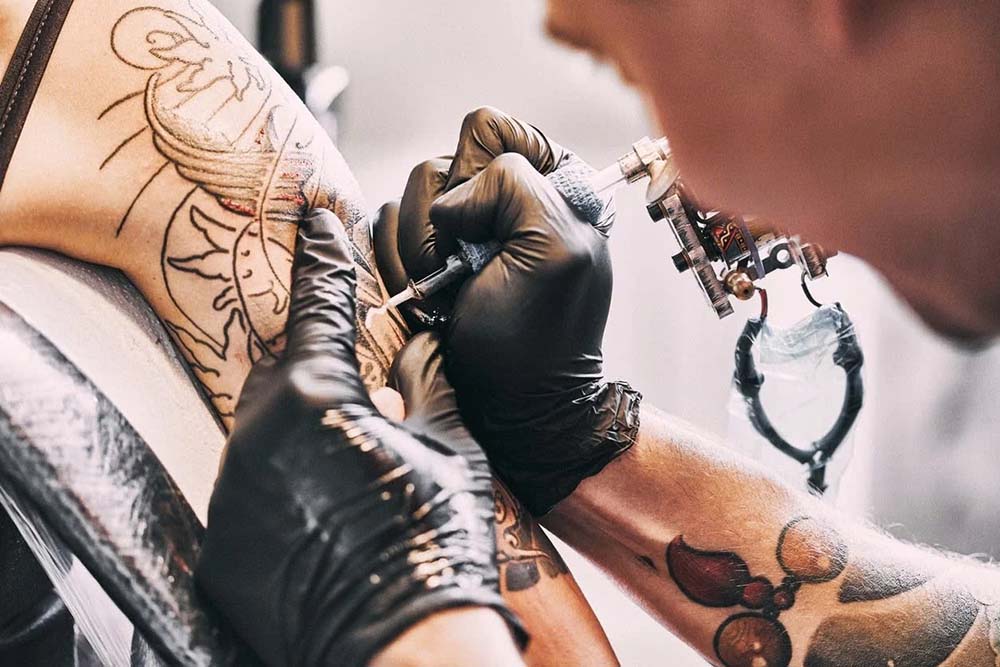
Yes, getting a tattoo usually involves some level of discomfort because tattoo needles repeatedly penetrate the skin to deposit ink. However, the sensation is generally manageable, and the intensity can vary significantly from person to person. Many people describe tattoo pain as a combination of scratching, stinging, or a vibrating sensation. During longer sessions, the skin may also become more sensitive or irritated as the tattooing continues.
The location of the tattoo plays an important role. Areas with thicker skin and more cushioning, such as the outer upper arm or upper thigh, are often more comfortable. In contrast, areas with thin skin, prominent bones, or a high concentration of nerve endings may feel more intense. Your tattoo artist’s technique, the size of the design, and your individual pain tolerance can also influence the experience.
What Makes A Tattoo Hurt More Or Less?
– Several factors can affect how much a tattoo hurts. There is no universal pain level because every person’s body and tattoo experience are different.
– Tattoo placement is one of the biggest factors. Areas with more muscle or soft tissue generally provide more cushioning between the needle and underlying structures. Locations close to bones can feel more intense because there is less tissue between the skin and bone.
– Skin thickness and sensitivity also matter. Thinner or more sensitive skin may respond more strongly to repeated needle movements.
– The size and complexity of the tattoo can influence discomfort as well. A small, simple design may take only a short time, while a large, detailed piece can require several hours and multiple passes over the same area.
– Finally, your physical condition and preparation can make a difference. Being tired, dehydrated, hungry, or stressed may make the tattooing experience feel more difficult.
How Tattoo Pain Varies From Person To Person?
Tattoo pain is highly subjective. Two people may receive tattoos in the same location and describe the experience very differently. Your personal pain tolerance is one important factor. Previous experiences with tattoos, medical procedures, or other forms of discomfort can influence how you perceive the sensation.
Your mood and stress level can also affect your experience. Feeling anxious may make you more focused on the sensation, while feeling relaxed and comfortable can make the session easier to manage. The artist’s technique is another consideration. Experienced tattoo artists can adjust their approach based on the skin, design, and client’s comfort level.
For this reason, pain charts should be treated as general guidance rather than an exact measurement. The same tattoo placement may feel relatively easy for one person and more uncomfortable for another.
10 Least Painful Places To Get A Tattoo
If you are concerned about tattoo pain, choosing an area with more muscle and soft tissue can be a practical starting point. The following locations are commonly considered more comfortable compared with highly sensitive areas.
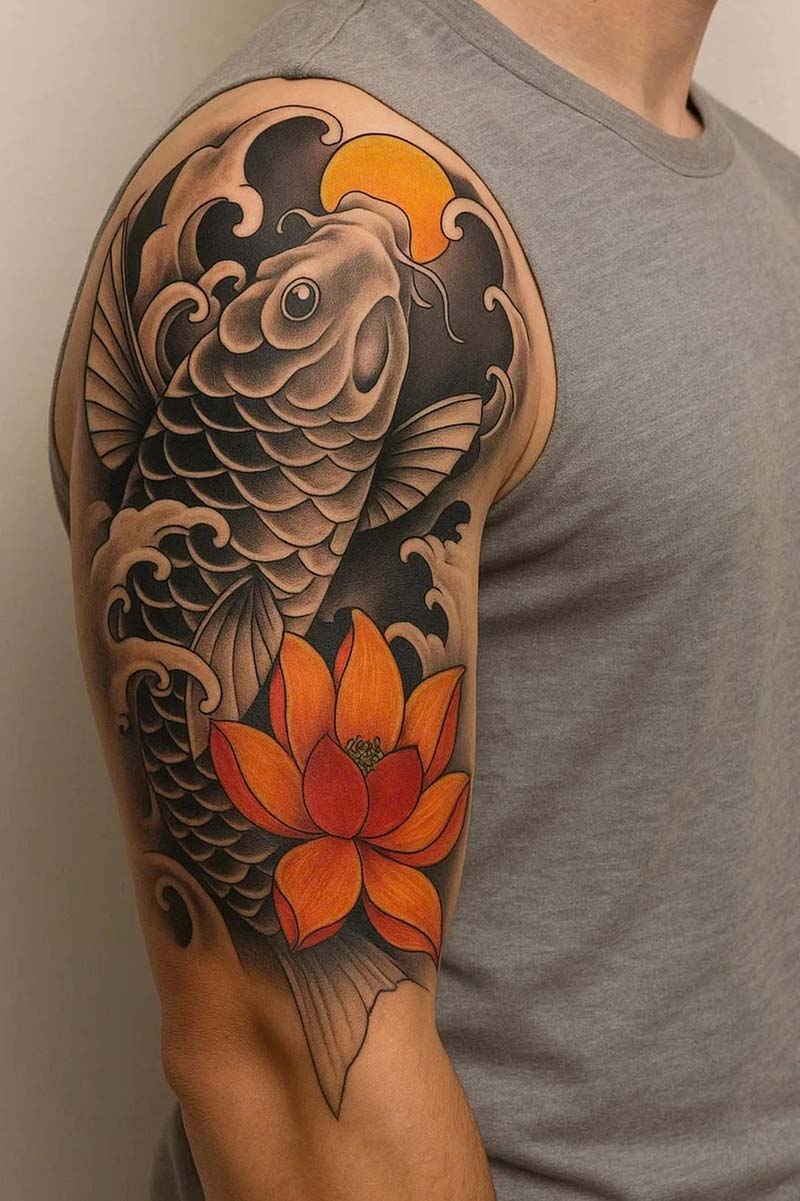
1. Outer Upper Arm
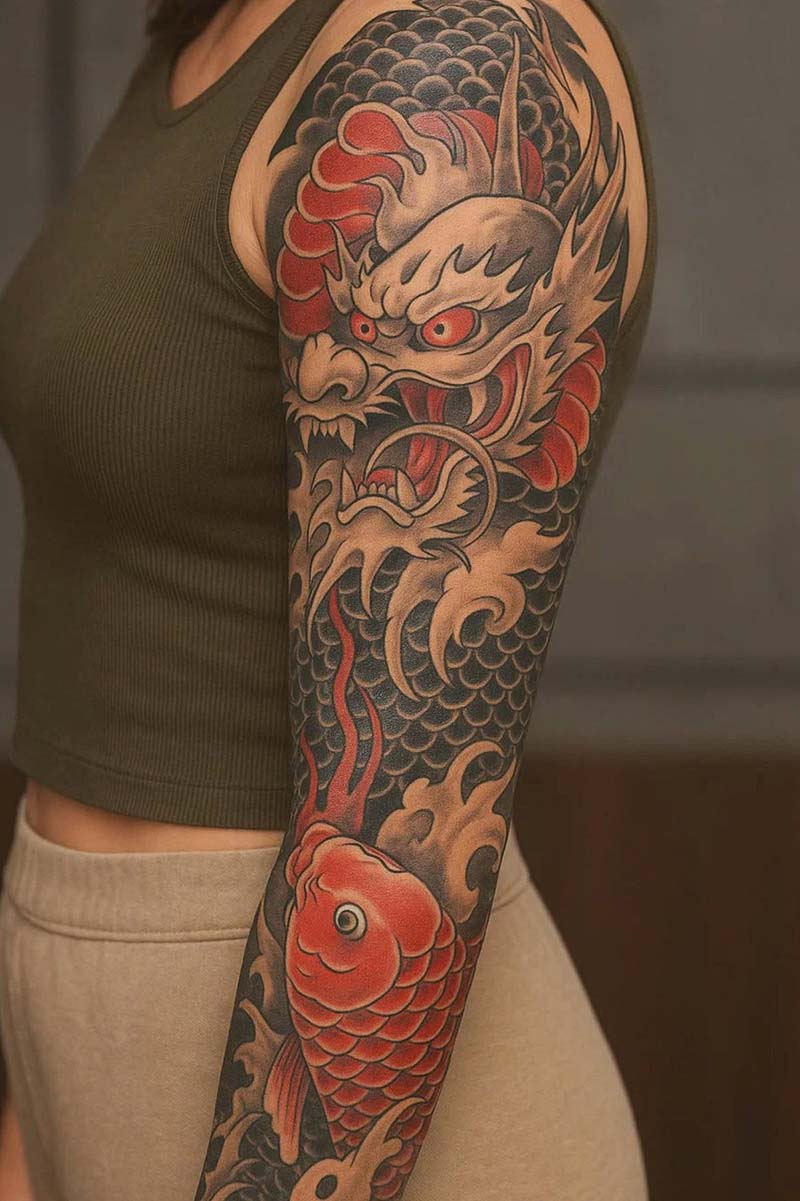
The outer upper arm is one of the most popular tattoo placements for beginners. This area generally has a good amount of muscle and soft tissue, which can provide some cushioning during the tattooing process. It also offers enough space for a wide range of designs, from small minimalist tattoos to larger pieces. The relatively flat surface makes it suitable for portraits, lettering, traditional designs, and geometric artwork. Another advantage is that the outer upper arm can be easily covered or displayed depending on your clothing, making it a practical choice for a first tattoo.
2. Outer Forearm
The outer forearm is another commonly chosen location for people who want a relatively manageable tattoo experience. It has a reasonably even surface and can accommodate many different tattoo styles. Because the area is highly visible, it is particularly suitable for meaningful designs, fine line tattoos, lettering, and artwork that you want to showcase. Although the outer forearm is generally considered more comfortable than areas such as the wrist or inner forearm, individual sensitivity can still vary.
3. Shoulder
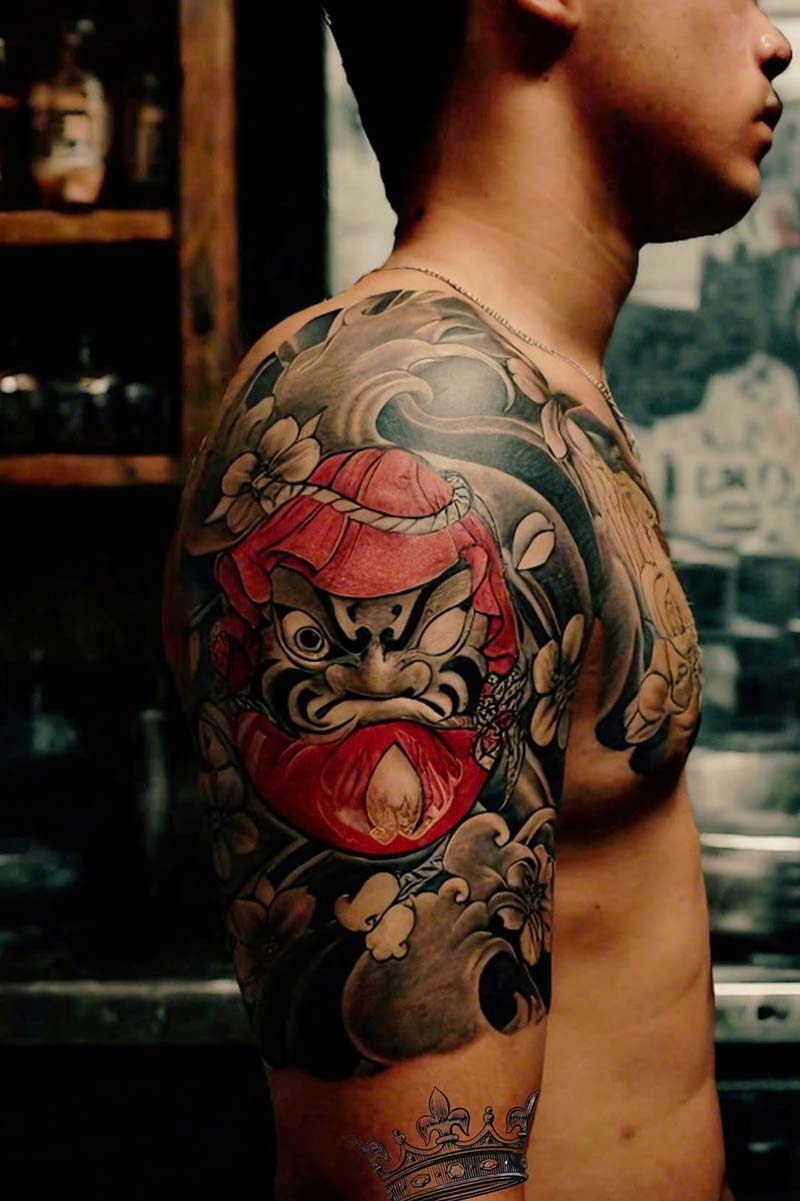
The shoulder provides a combination of muscle and soft tissue that can make tattooing relatively comfortable. Its rounded shape also creates interesting opportunities for designs that follow the natural contours of the body. Shoulder tattoos can range from small symbols to larger pieces that extend toward the upper arm, chest, or back. However, sensitivity may increase as the tattoo approaches the collarbone or other bony areas. Your artist can help determine the most suitable placement based on your design.
4. Upper Thigh
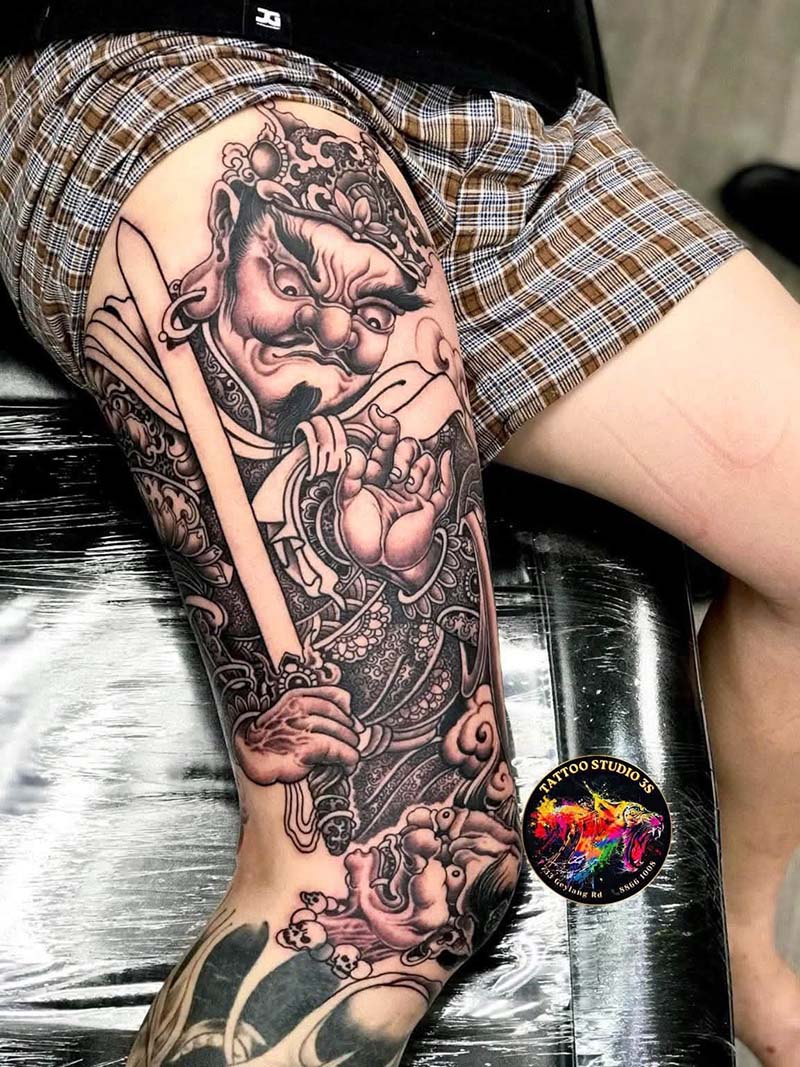
The upper thigh is often considered one of the more comfortable areas for tattooing because it generally contains substantial muscle and soft tissue. Its large surface area makes it particularly suitable for medium to large tattoos. This placement works well for floral designs, Japanese-inspired artwork, animals, portraits, and larger compositions. The upper thigh can also be a good option if you prefer a tattoo that can remain discreet under everyday clothing.
5. Outer Calf
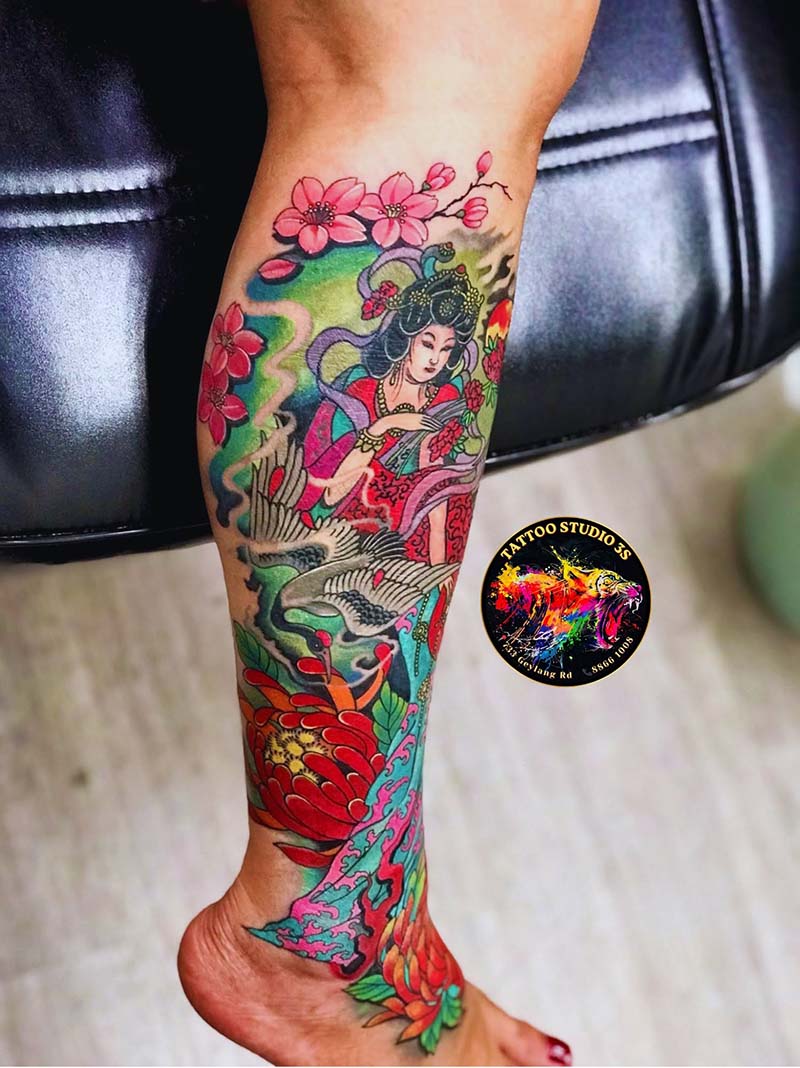
The outer calf offers a relatively broad and accessible surface for tattooing. It is commonly chosen for medium-sized designs and can work particularly well with vertical artwork. The area generally has more tissue than highly sensitive locations such as the ankle or shin. However, the experience can become more uncomfortable when the design moves closer to the shin bone or ankle. Discussing the exact placement with your tattoo artist beforehand can help you choose a more comfortable area of the calf.
6. Upper Back
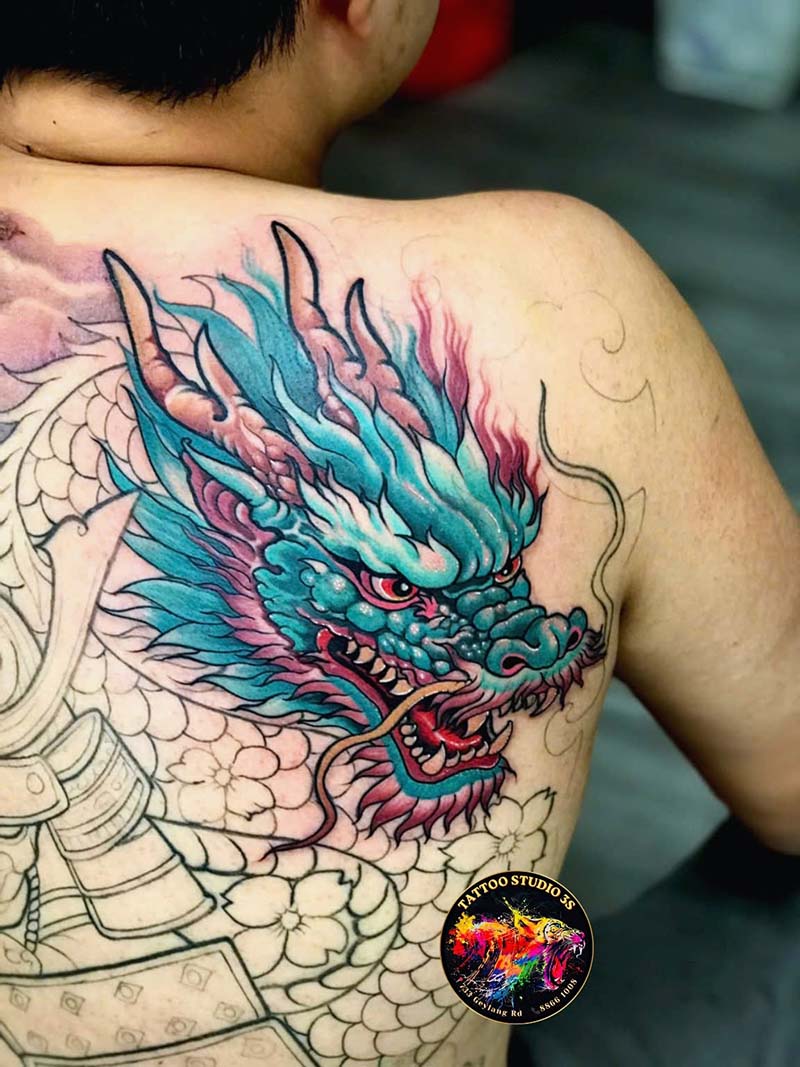
The upper back provides a large canvas with substantial muscle and tissue in many areas. This makes it a versatile location for both individual tattoos and larger compositions. It can accommodate symmetrical designs, Japanese-inspired tattoos, lettering, animals, and large-scale artwork. While the upper back is often more comfortable than areas directly over the spine or shoulder blades, sensitivity can vary across different parts of the back. Your artist can adjust the placement according to your preferred design and comfort level.
7. Outer Hip
The outer hip can provide a relatively cushioned surface for tattooing, depending on the exact placement and individual anatomy. This area works well for designs that follow the natural shape of the hip and can be suitable for both discreet and decorative tattoos. However, sensitivity may increase when the design extends toward the hip bone or other areas with less soft tissue. Placement should therefore be considered carefully before the session.
8. Buttocks
The buttocks generally contain a considerable amount of soft tissue, which can make this area more comfortable for tattooing compared with many bony or thin-skinned locations. It also provides a relatively large canvas for different tattoo sizes and styles. Because the area is usually covered by clothing, it can be a suitable choice for people who prefer a more private tattoo. Proper aftercare is still important, particularly because clothing can create friction during the healing process.
9. Outer Bicep
The outer bicep is a popular tattoo placement because it combines relatively good cushioning with an attractive, visible position. It works particularly well for circular designs, portraits, lettering, traditional tattoos, and pieces that may later become part of a sleeve. Compared with the inner bicep, the outer area is generally considered more manageable for many clients. However, sensitivity can vary depending on the exact location and the individual’s anatomy.
10. Outer Shoulder To Upper Arm
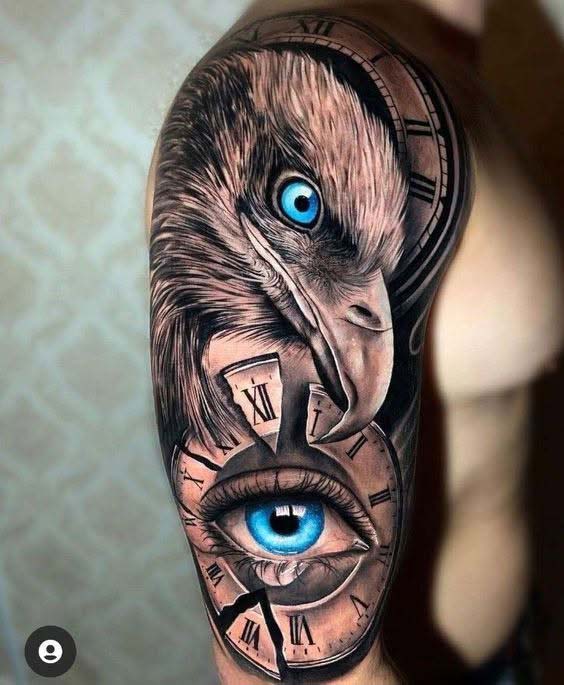
The area connecting the outer shoulder to the upper arm provides a versatile canvas for tattoos that wrap naturally around the body. This placement can be particularly useful for larger compositions or designs that may eventually develop into a half sleeve or full sleeve. Most of the area has a reasonable amount of muscle and soft tissue. However, pain levels can change as the tattoo moves closer to the shoulder joint, collarbone, or other more sensitive areas.
Tattoo Pain Chart: Least To Most Painful Areas
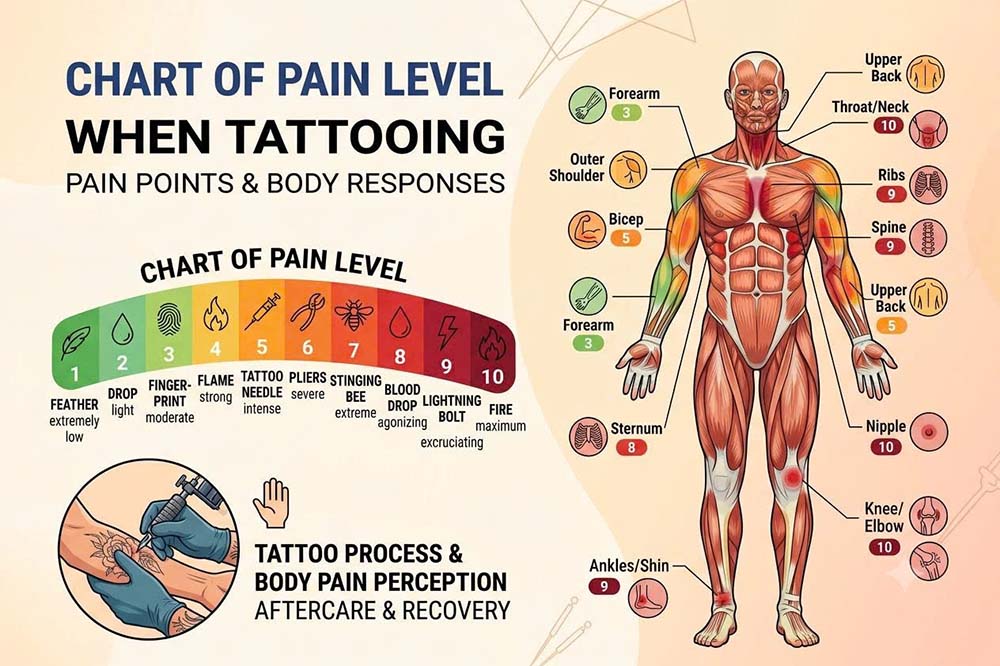
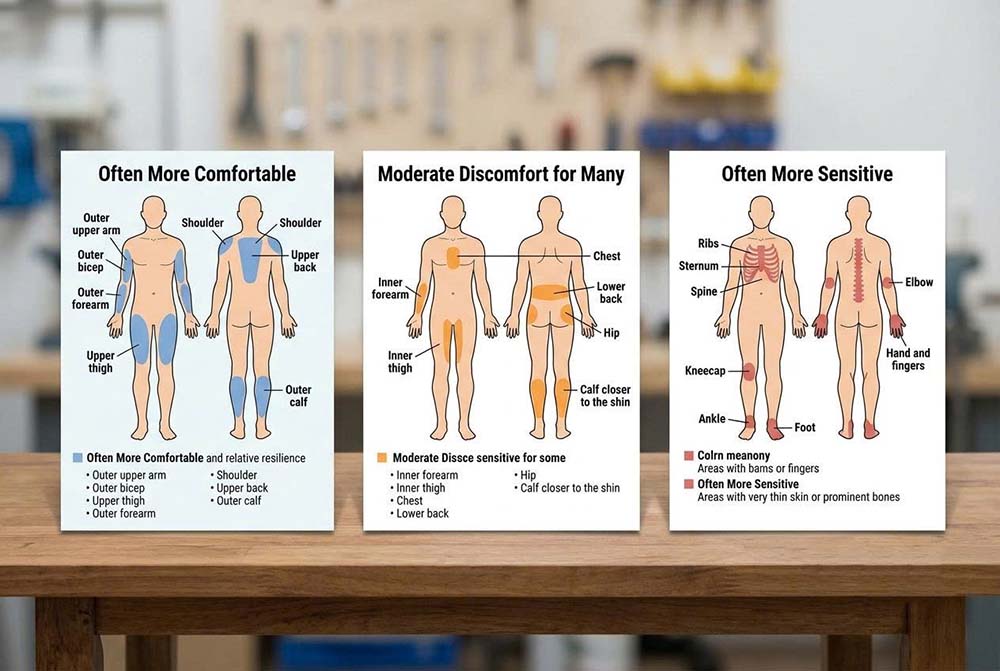
There is no scientifically standardized tattoo pain scale because pain is subjective. However, tattoo placements can generally be discussed in broad categories.
Often more comfortable:
- Outer upper arm
- Outer bicep
- Upper thigh
- Outer forearm
- Shoulder
- Upper back
- Outer calf
Moderate discomfort for many people:
- Inner forearm
- Inner thigh
- Chest
- Lower back
- Hip
- Calf closer to the shin
Often more sensitive:
- Ribs
- Sternum
- Spine
- Kneecap
- Elbow
- Ankle
- Foot
- Hand and fingers
Areas with very thin skin or prominent bones
The reason some areas feel more painful is often related to factors such as thinner skin, less cushioning, proximity to bone, and greater sensitivity. However, these categories should not be treated as a fixed ranking. Individual anatomy and pain tolerance can significantly change the experience.
What Factors Affect Tattoo Pain?
Tattoo Placement And Skin Thickness
- The thickness of the skin and the amount of tissue underneath it can influence how tattooing feels.
- Areas with more muscle or soft tissue may provide additional cushioning, while areas with thin skin and prominent bones can feel more intense.
- The exact placement also matters. Even within the same body part, one section can feel significantly different from another.
Tattoo Size, Detail And Session Length
- A small tattoo can often be completed relatively quickly, limiting the amount of time the skin is exposed to repeated needle movement.
- Larger tattoos require longer sessions and may involve shading, color packing, and multiple passes. As the session continues, the skin can become increasingly sensitive.
- For large projects, artists may recommend dividing the tattoo into multiple sessions to make the process more manageable.
Your Personal Pain Tolerance
- Everyone experiences pain differently. Factors such as previous tattoo experience, stress, sleep, hydration, and general comfort can influence how you perceive the sensation.
- Rather than comparing your experience directly with someone else’s, it is more useful to communicate openly with your tattoo artist throughout the session.
The Tattoo Artist’s Technique
- An experienced tattoo artist understands how to work with different skin types, tattoo placements, and design requirements.
- Technique can influence the overall experience, particularly when working on sensitive areas or detailed designs. A professional artist should also prioritize proper hygiene, appropriate equipment, and client communication throughout the session.
How To Make Your Tattoo Session More Comfortable
– Eat And Stay Hydrated Before Your Appointment: Having a proper meal before your appointment can help you feel more comfortable during the session. Staying adequately hydrated is also important for your general well-being. Avoid arriving at a long tattoo appointment feeling extremely hungry or dehydrated.
– Get Enough Sleep: A good night’s sleep can help you feel more relaxed and prepared for your appointment. Long tattoo sessions can be physically tiring, so arriving rested may make it easier to remain comfortable throughout the process.
– Wear Comfortable Clothing: Choose clothing that provides easy access to the tattoo placement without putting unnecessary pressure or friction on the area. For larger tattoos, consider what you will wear after the appointment as the freshly tattooed skin may be sensitive.
– Avoid Alcohol Before Getting Tattooed: It is generally advisable to avoid alcohol before a tattoo appointment. Alcohol can affect hydration and may increase bleeding during the procedure. Instead, arrive well-rested, hydrated, and ready for your session.
– Communicate With Your Tattoo Artist: Communication is one of the easiest ways to make a tattoo session more comfortable. Let your artist know if you need a short break or if the sensation becomes difficult to manage. A professional artist can often adjust the pace or take appropriate breaks when necessary. You should also discuss your concerns about pain and placement before the tattoo begins.
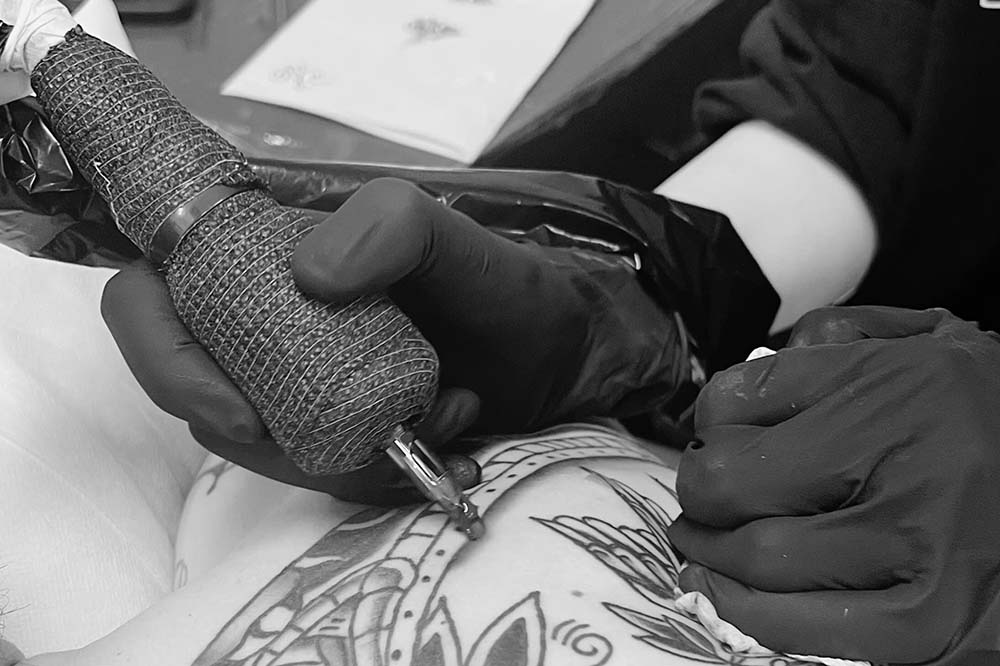
Which Tattoo Spot Is Best For Your First Tattoo?
– If this is your first tattoo, choosing a location with relatively more muscle and soft tissue may help you feel more comfortable with the experience.
– The outer upper arm, outer forearm, shoulder, and upper thigh are popular options because they offer a combination of relatively manageable discomfort, good design space, and versatile placement.
– You should also consider the size and style of your tattoo. A small minimalist design may work well on the forearm or upper arm, while a larger composition may benefit from the thigh, upper back, or shoulder-to-upper-arm area.
– Visibility is another important consideration. If you work in a professional environment or prefer to keep your tattoo private, areas such as the upper thigh or upper back may offer greater flexibility.
– Ultimately, there is no single best tattoo placement for everyone. The right choice depends on your design, lifestyle, personal preferences, and comfort level.
Get Your Tattoo With Tattoo Studio 3S
Choosing the right tattoo placement is an important part of creating a comfortable and enjoyable tattoo experience. At Tattoo Studio 3S in Singapore, our artists can discuss your design, preferred placement, size, and overall tattoo goals before the session begins. Whether you are getting your first small tattoo or planning a larger custom piece, we can help you consider how the design works with the natural shape of your body and how the placement may affect your tattoo experience.
Ready to plan your next tattoo in Singapore? Contact Tattoo Studio 3S to discuss your design and find a placement that works for you.
CONTACT
Hotline: +65 8866 1008
Address: 733 Geylang Road, #02-01, Singapore 389644