Getting a tattoo is an exciting experience, but one of the most common questions people ask is, “How long does a tattoo session take?” The answer depends on several factors, including tattoo size, design complexity, placement, and the artist’s technique. While small tattoos may take less than an hour, larger and more detailed designs can require several sessions to complete. Understanding tattoo session duration can help you plan your appointment, prepare physically, and know what to expect throughout the process. In this guide, we’ll explore how long different tattoos take, when multiple sessions are necessary, and how to prepare for a comfortable tattoo experience.
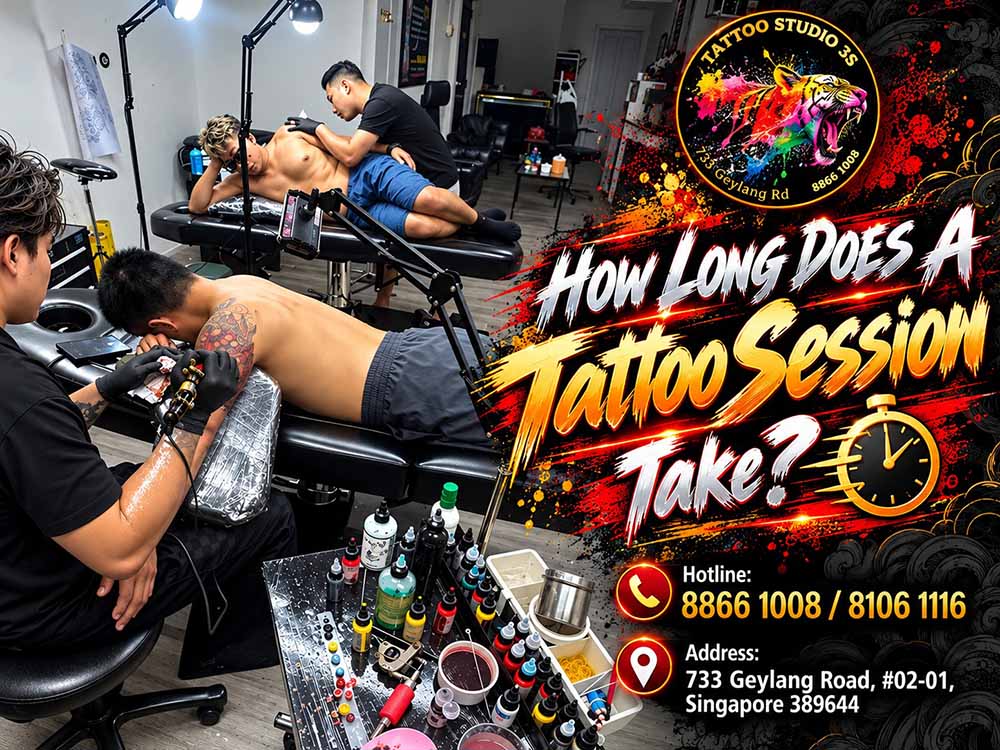
How Long Does A Tattoo Session Usually Take?
A typical tattoo session can last anywhere from 30 minutes to 8 hours, depending on the design and individual circumstances. Simple tattoos are generally completed quickly, while large-scale artwork requires more time, precision, and attention to detail.
Here is a general breakdown of tattoo session duration:
| Tattoo size | Estimated duration |
|---|---|
| Small Tattoo | 30 minutes – 1 hour |
| Medium Tattoo | 2-4 hours |
| Large Tattoo | 4-8 hours |
| Highly Detailed Tattoo | 6-8+ hours |
| Full Sleeve Or Back Tattoo | Multiple sessions |
These estimates refer mainly to tattooing time. Your appointment may also include consultation, stencil placement, skin preparation, and short breaks. Not every tattoo artist offers extended sessions, and an 8-hour appointment may not be suitable for everyone. The best session length depends on the design, your physical comfort, and how your skin responds during tattooing.
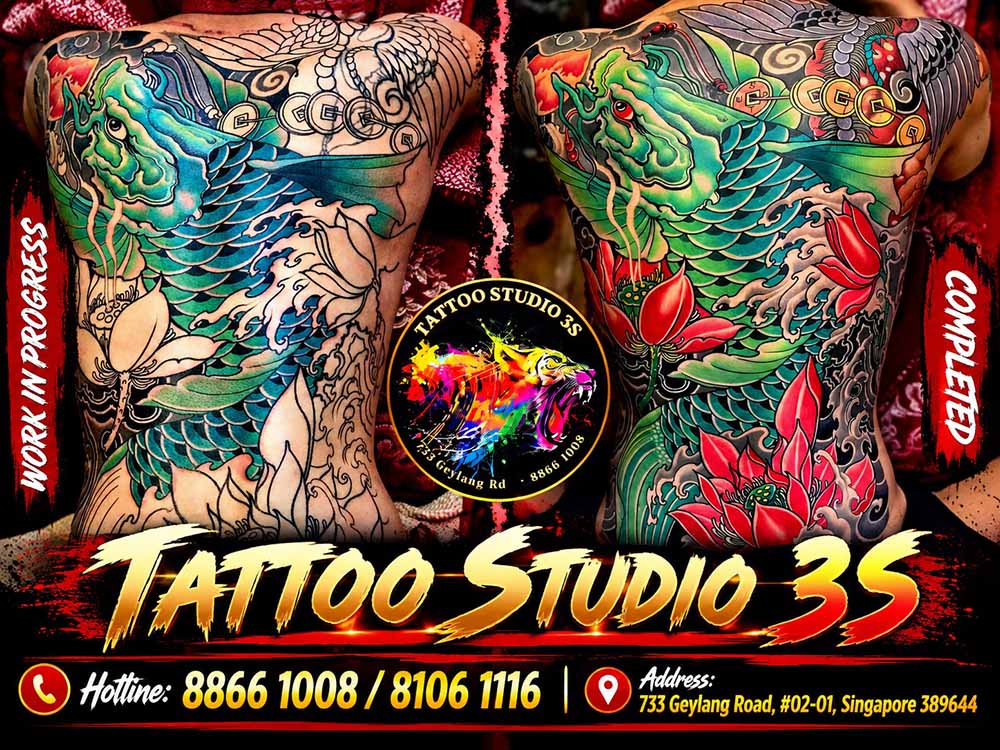
Factors That Affect Tattoo Session Duration
Several factors determine how long a tattoo takes to complete. Understanding these elements can help you estimate your tattoo session time before booking an appointment.
Tattoo Size And Placement
Tattoo size is one of the most important factors affecting session duration. Small tattoos on the wrist, ankle, or forearm may take less than an hour, while larger pieces covering the chest, back, or entire arm require significantly more time. Placement also matters because areas with curved surfaces, sensitive skin, or difficult angles can slow down the tattooing process.
Design Complexity And Level Of Detail
A simple outline tattoo generally takes less time than a highly detailed design featuring intricate patterns, textures, and shading. Portraits, realistic animals, and elaborate Japanese artwork require careful execution to achieve accurate proportions and smooth transitions. The more detailed the artwork, the longer the artist may need to complete it.
Tattoo Style And Coloring Techniques
Different tattoo styles involve different techniques and working times. Minimalist Tattoo and Fine Line Tattoos may be relatively quick when the designs are small and simple. Meanwhile, Realism Tattoo, Japanese Tattoo, and Color Tattoo often require multiple stages of outlining, shading, and color application. Designs featuring gradients, complex backgrounds, or detailed textures may take considerably longer.
Pain Tolerance And Skin Sensitivity
Everyone experiences tattoo pain differently. Some people can comfortably sit through several hours of tattooing, while others may need frequent breaks. Sensitive areas such as the ribs, sternum, and inner arm can be particularly challenging during long sessions. Skin irritation, swelling, or excessive discomfort may also require the artist to slow down or stop the session.
Tattoo Artist’s Technique And Experience
An artist’s working style, experience, and preferred techniques can influence tattoo session duration. Experienced tattoo artists often have efficient workflows, but detailed artwork still requires patience and precision. The priority should always be achieving a well-executed tattoo rather than completing the design as quickly as possible.
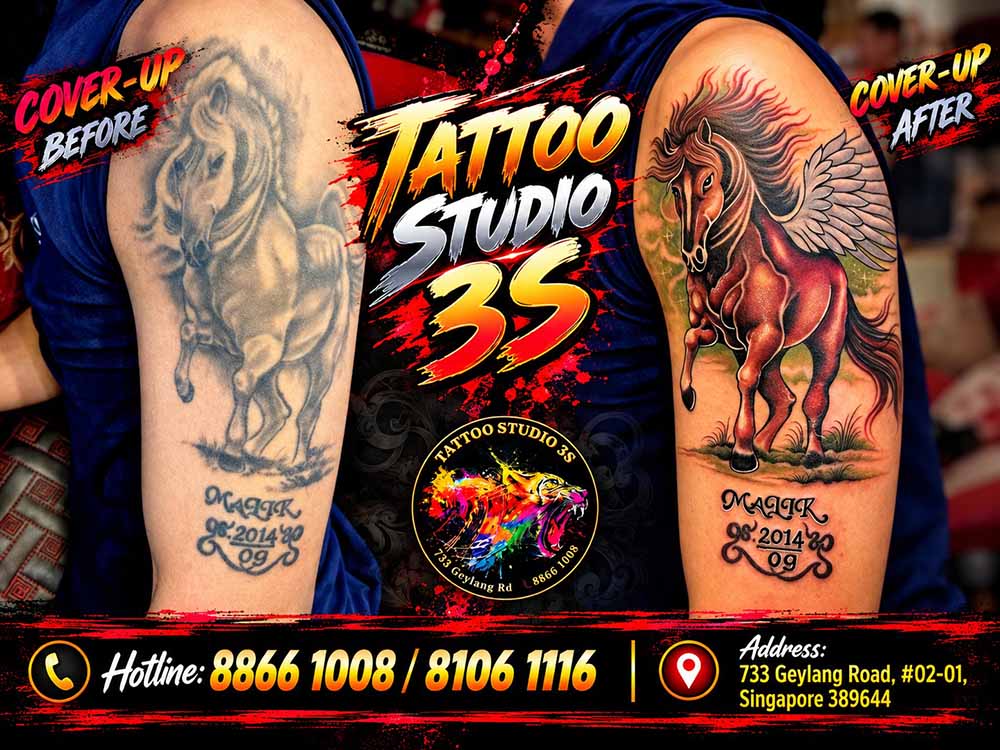
When Does A Tattoo Need Multiple Sessions?
Not every tattoo can or should be completed in a single appointment. Large designs, complex artwork, and physical limitations often make multiple tattoo sessions the more practical choice.
Large-Scale Tattoos
Large tattoos such as Full Sleeve Tattoo, Full Back Tattoo, Full Leg Tattoo, and Full Body Tattoo usually require multiple sessions. These designs cover extensive areas of skin and often involve several stages, including outlining, shading, and coloring. Dividing the process into separate appointments allows the artist to focus on individual sections while giving the client time to rest and recover.
Highly Detailed And Complex Designs
Tattoo styles involving intricate details often take longer to complete. Realistic portraits, Japanese dragons, traditional Japanese compositions, and elaborate geometric patterns require precision and careful shading. Instead of rushing through the artwork, tattoo artists may divide the design into manageable sections to maintain consistency and artistic quality.
Tattoos Requiring Multiple Layers Of Color
Some colorful tattoos require extensive color blending, shading, and refinement. Depending on the design and skin response, an artist may complete the outline during the first appointment and add color during later sessions. Certain areas may also need additional refinement after healing. However, not every color tattoo requires separate appointments or repeated layers.
Physical Endurance And Pain Tolerance
Long tattoo sessions can be physically demanding. Sitting in one position for several hours may cause fatigue, muscle discomfort, and increased sensitivity. If the client becomes uncomfortable or the skin shows significant irritation, the artist may recommend ending the session and continuing another day. Dividing a tattoo into multiple sessions can make the overall experience more manageable.
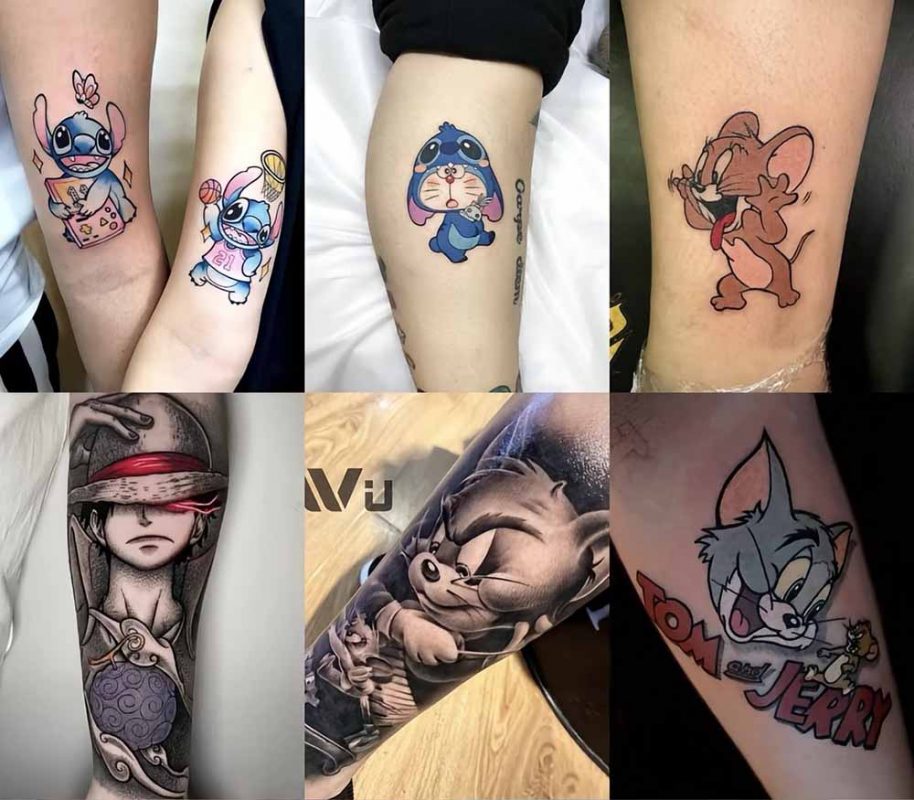
How Many Sessions Do Different Tattoos Require?
The number of tattoo sessions depends on the size, style, complexity, and amount of detail involved. While some tattoos can be completed in one appointment, larger designs may require several weeks or months of scheduled work.
Below is a general estimate of how many tattoo sessions different designs may require.
| Tattoo type | Estimated sessions |
|---|---|
| Small Minimalist Tattoo | 1 session |
| Medium-Sized Tattoo | 1–2 sessions |
| Half Sleeve Tattoo | 2–5 sessions |
| Full Sleeve Tattoo | 4–10+ sessions |
| Full Back Tattoo | 5–12+ sessions |
| Full Leg Tattoo | 5–12+ sessions |
| Full Body Tattoo | Multiple sessions over months or years |
These figures are approximate and assume reasonably substantial working sessions. Actual requirements vary considerably between designs and artists. For example, a simple blackwork sleeve may take fewer sessions than a highly detailed Japanese sleeve featuring dragons, flowers, waves, and elaborate background shading. Similarly, a realistic full-back tattoo may require additional appointments to achieve intricate textures and smooth tonal transitions. Before beginning a large tattoo project, discussing the estimated number of sessions with your tattoo artist can help you plan your schedule and budget.
How Long Should You Wait Between Tattoo Sessions?
When a tattoo requires multiple appointments, allowing enough healing time between sessions is essential. Tattooing creates controlled injuries in the skin, and the treated area needs time to recover before additional work is performed.
For sessions involving the same tattooed area, artists commonly recommend waiting around 3–4 weeks or longer, depending on the healing process. Some tattoos may require additional recovery time, particularly when the skin has experienced extensive shading, coloring, or irritation.
The appropriate waiting period depends on several factors:
- Tattoo size: Larger tattooed areas may require more recovery time.
- Skin condition: Redness, peeling, tenderness, or irritation can indicate that the area is not ready for additional tattooing.
- Tattoo technique: Extensive shading and color saturation may affect the healing process.
- Individual healing: Everyone’s skin recovers at a different pace.
- Tattoo placement: Areas exposed to frequent friction or movement may need additional attention during healing.
If the next session involves a completely different, unaffected area of skin, the timing may be different. It is important not to tattoo over skin that has not healed adequately. Following proper tattoo aftercare instructions and consulting your artist before scheduling the next appointment can help reduce unnecessary irritation and complications.
Tips To Prepare For A Long Tattoo Session
Long tattoo sessions require both physical and mental preparation. A few simple steps can make the experience more comfortable and help you remain relaxed throughout the appointment.
- Get enough sleep before your appointment: Being well-rested can help you manage discomfort and maintain energy during a lengthy session.
- Eat a proper meal and stay hydrated: Avoid arriving on an empty stomach. Eating beforehand and drinking enough water can help prevent dizziness and fatigue.
- Wear comfortable clothing: Choose loose clothing that allows easy access to the tattoo area without causing unnecessary pressure or friction.
- Avoid alcohol before your tattoo session: Alcohol can impair judgment and may increase bleeding. Follow your studio’s preparation guidelines.
- Take breaks when necessary: Short breaks allow you to stretch, drink water, and recover from prolonged sitting.
- Follow your tattoo artist’s instructions: Proper preparation, communication, and aftercare are important for a smooth tattooing experience.
If you feel dizzy, faint, nauseated, or unusually uncomfortable during the session, inform your tattoo artist immediately. There is no need to push through excessive discomfort simply to finish a tattoo in one day.
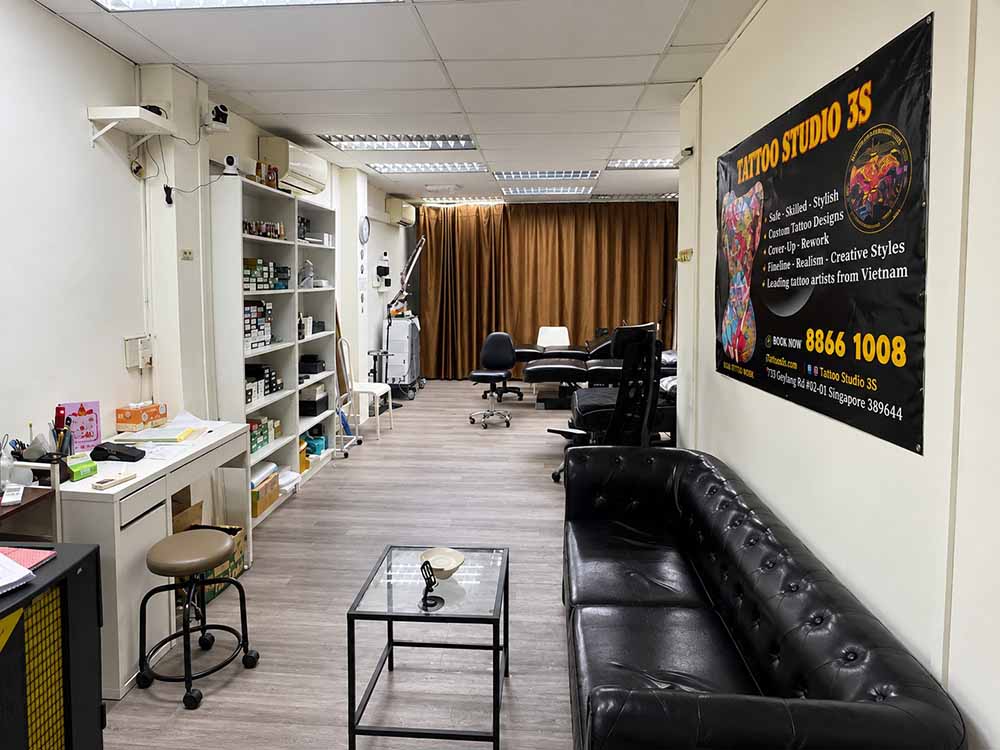
Get Professional Tattoo Consultation At Tattoo Studio 3S
Planning a tattoo involves more than choosing the perfect design. Understanding how long your tattoo will take and whether multiple sessions are necessary can help you prepare for a more comfortable experience. At Tattoo Studio 3S in Singapore, we provide professional consultations to help clients plan their tattoos according to design complexity, placement, and individual preferences.
Whether you are considering a small Minimalist Tattoo, a detailed Realism Tattoo, or a large Japanese Full Sleeve Tattoo, our tattoo artists can discuss the design process, estimated session duration, and suitable appointment arrangements. We focus on thoughtful planning, careful execution, and creating personalized tattoos that reflect your ideas.
Wondering how long your tattoo session will take? Contact Tattoo Studio 3S today to discuss your design, receive a personalized consultation, and plan your tattoo appointments.
Tattoo Studio 3S
Hotline: 8866 1008 / 8106 1116
Address: 733 Geylang Road, #02-01, Singapore 389644
Frequently Asked Questions About Tattoo Sessions
Can A Tattoo Be Completed In One Session?
Yes, many small and medium-sized tattoos can be completed in a single session. Simple lettering, minimalist symbols, small floral designs, and basic blackwork tattoos often require only one appointment. However, the exact duration depends on the design’s complexity, placement, and the artist’s technique.
Is An 8-Hour Tattoo Session Too Long?
An 8-hour tattoo session can be manageable for some experienced clients, but it may be too demanding for others. Long sessions can lead to fatigue, increased sensitivity, and physical discomfort. Your tattoo artist should assess your comfort and skin condition throughout the appointment and recommend breaks or an earlier stopping point when necessary.
Can You Take Breaks During A Tattoo Session?
Yes, taking breaks during a tattoo session is normal, especially for larger designs. Short breaks allow you to stretch, drink water, eat a snack, or use the restroom. However, frequent or lengthy interruptions may increase the overall appointment duration. Discuss break arrangements with your tattoo artist before the session begins.
Does A Longer Tattoo Session Hurt More?
A longer tattoo session does not necessarily mean the tattoo itself is more painful, but discomfort can increase as the skin becomes irritated and your body becomes tired. Tattoo placement, individual pain tolerance, and the techniques used also influence how painful the experience feels. Taking appropriate breaks can help manage discomfort.
Can You Finish A Full Sleeve Tattoo In One Day?
Completing a detailed Full Sleeve Tattoo in one day is generally unrealistic. Most full sleeve designs require multiple sessions because they cover a large area and involve extensive outlining, shading, and coloring. The exact number of appointments depends on the tattoo style, complexity, and length of each session.