Tattoos are designed to last a lifetime, but their appearance can change over time. Colors may fade, lines can lose definition, and certain areas may appear uneven after healing. These changes are natural, but they can affect the overall beauty of your tattoo. A Tattoo Touch-Up helps restore faded colors, improve unclear lines, and refresh the original design. Understanding when your tattoo needs a touch-up and how to care for it afterward can help maintain its appearance for years.
What Is A Tattoo Touch-Up?
A Tattoo Touch-Up is a procedure in which a tattoo artist adds ink to specific areas of an existing tattoo to improve its appearance. Unlike getting a completely new tattoo, a touch-up focuses on correcting faded colors, uneven shading, or small imperfections in the original design. Touch-ups are commonly performed after a tattoo has fully healed or when an older tattoo begins to lose its vibrancy. The process may involve reinforcing outlines, restoring color saturation, or filling in areas where ink has faded. Not every tattoo requires a touch-up. A well-executed tattoo with proper aftercare can remain attractive for many years without additional work.
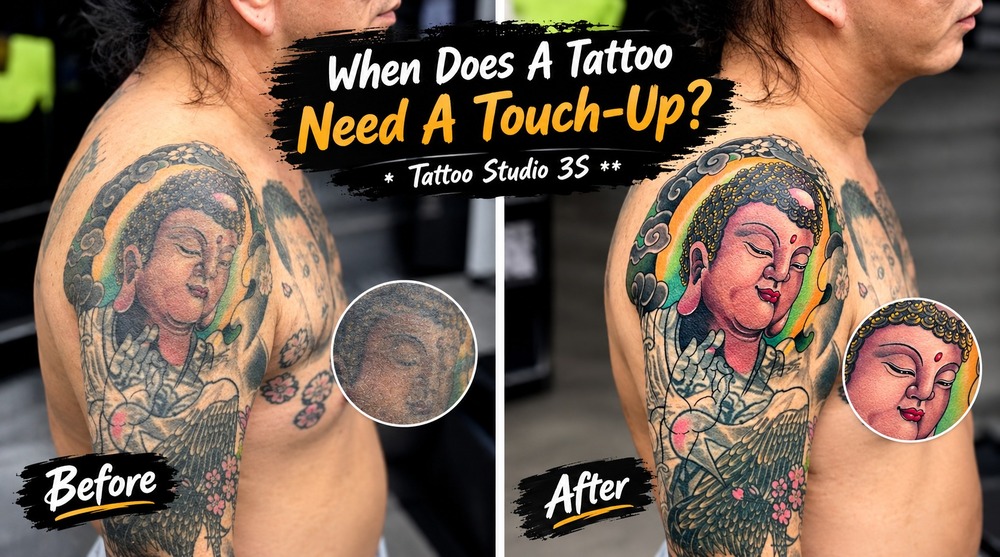
Signs Your Tattoo Needs A Touch-Up
Recognizing the signs of fading or uneven healing can help you determine whether your tattoo needs professional attention. Here are some common indications that a touch-up may be beneficial.
Faded Or Dull Tattoo Colors
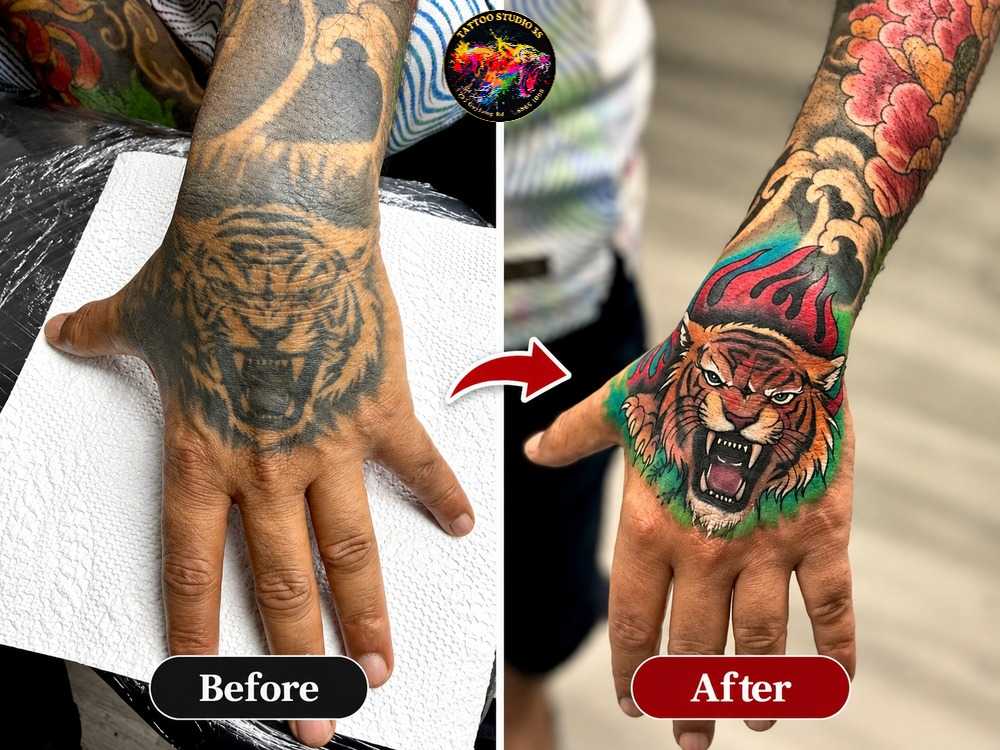
One of the most noticeable signs that a tattoo needs a touch-up is fading color. Bright shades may become less vibrant, while black ink can gradually appear lighter or slightly gray. This process can occur due to sun exposure, natural skin aging, or other environmental factors. A professional touch-up can help restore the tattoo’s original color intensity and improve its overall appearance.
Blurry Or Uneven Tattoo Lines
Clear outlines are essential for maintaining the definition of a tattoo. Over time, some lines may appear softer or less distinct as the tattoo ages and the ink gradually spreads beneath the skin. A skilled tattoo artist can assess whether certain outlines can be reinforced. However, not all blurry lines can be corrected through a simple touch-up, especially when the ink has spread significantly.
Patchy Ink Or Missing Pigment
Sometimes, a newly healed tattoo may have small areas where the ink appears lighter or uneven. This can happen due to variations in skin healing, ink application, or irritation during recovery. A Tattoo Touch-Up can help fill these gaps and create a more consistent appearance. It is important to wait until the skin has completely healed before making any corrections.
Uneven Shading After Healing
Shading adds depth, dimension, and realism to tattoo designs. However, certain shaded areas may heal lighter than expected, making the overall composition look unbalanced. A touch-up allows the artist to refine these areas, improve transitions between dark and light tones, and restore visual consistency throughout the design.
Loss Of Detail In Older Tattoos
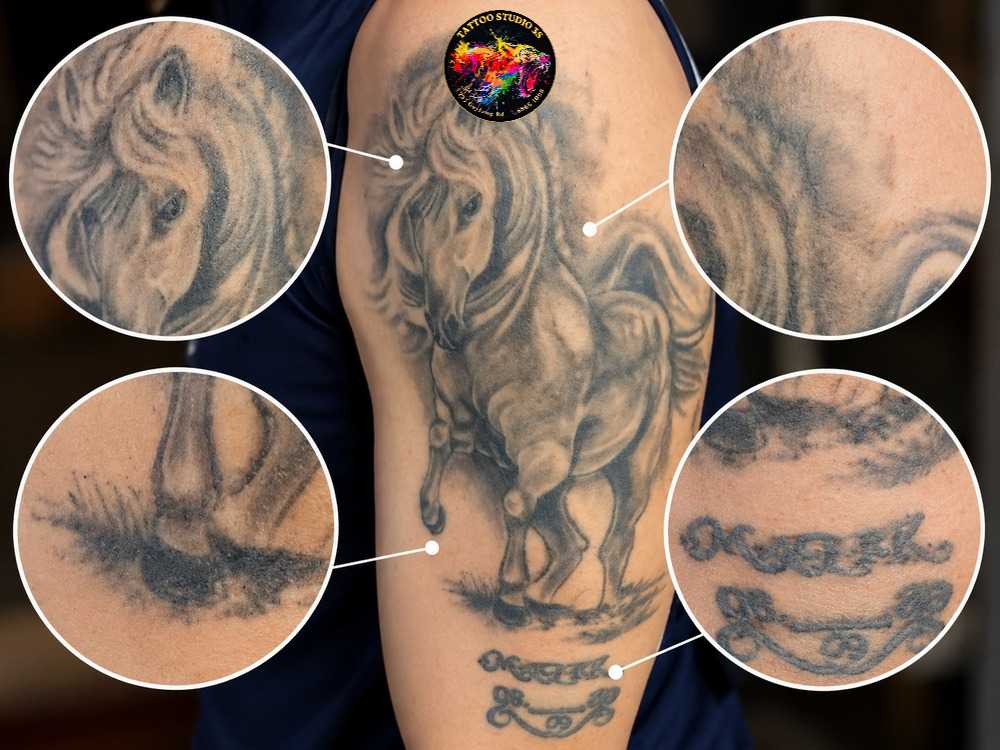
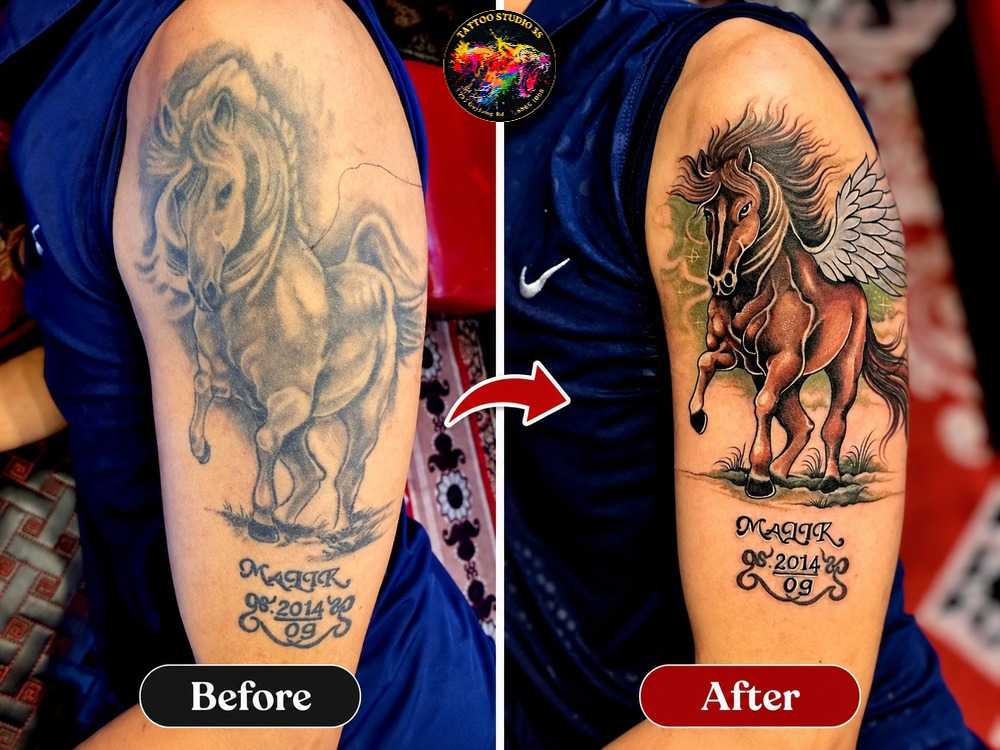
Detailed tattoos, especially fine-line tattoos, geometric tattoos, and realism designs, may gradually lose some of their sharpness over the years. Small elements can become less visible as the tattoo naturally ages. A professional artist may be able to enhance selected details or strengthen faded sections. For heavily blurred tattoos, a redesign or cover-up may be more suitable than a standard touch-up.
When Is The Best Time To Get A Tattoo Touch-Up?
The ideal timing for a Tattoo Touch-Up depends on how well the skin has healed, the condition of the tattoo, and the extent of fading.
- After The Tattoo Has Fully Healed: Most tattoos need several weeks to heal, and deeper skin recovery may take longer. Artists commonly recommend waiting at least 4-8 weeks before considering a touch-up.
- When Colors Begin To Fade: Older tattoos may benefit from a touch-up when the original colors become noticeably dull or uneven.
- When Small Imperfections Become Visible: Missing pigment, inconsistent shading, or incomplete lines after healing may indicate that minor corrections are needed.
- When Recommended By Your Tattoo Artist: A professional can examine the tattoo and determine whether a touch-up is necessary or whether additional healing time is required.
Avoid touching up a tattoo while the skin is still peeling, irritated, or sensitive. Reworking the area too early may increase irritation, affect healing, and compromise the final result.
Factors That Affect How Often Tattoos Need Touch-Ups
Not all tattoos fade at the same rate. Several factors influence how long a tattoo maintains its original appearance and how frequently it may need refreshing.
- Tattoo Placement: Tattoos on areas exposed to frequent friction, such as fingers, hands, and feet, may fade faster than those on less exposed parts of the body.
- Ink Colors And Application: Different pigments may age differently, while proper ink application plays an important role in long-term tattoo quality.
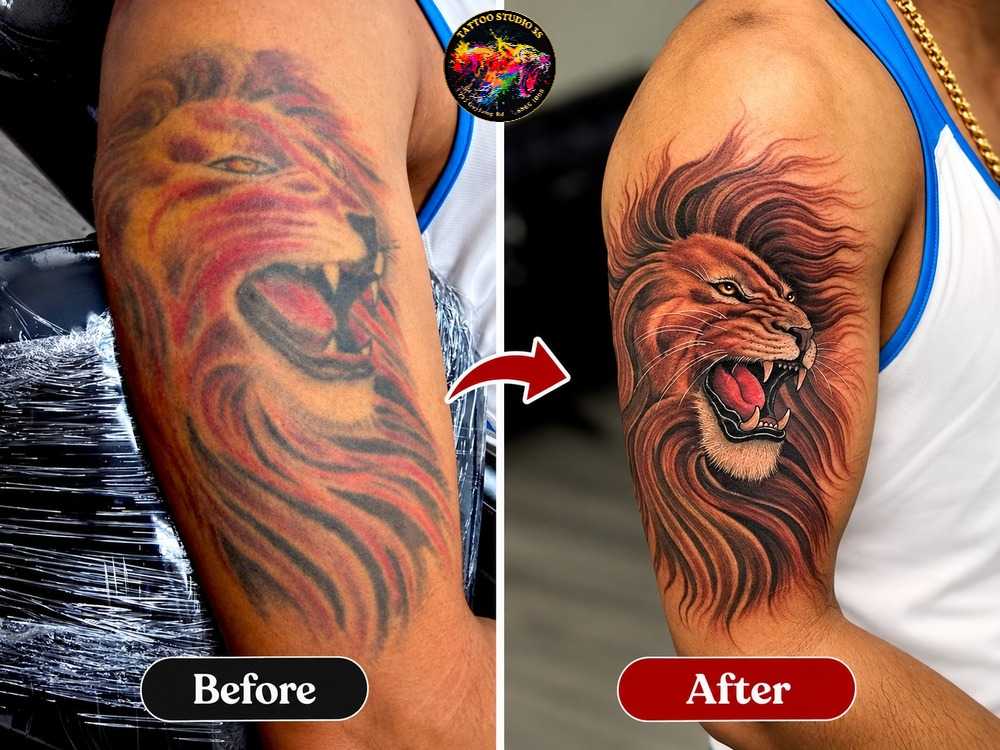
- Sun Exposure: Frequent exposure to ultraviolet rays can accelerate tattoo fading, making sun protection essential for maintaining color.
- Skin Type And Natural Aging: Skin characteristics, hydration, and age-related changes can influence how a tattoo looks over time.
- Tattoo Aftercare: Proper cleaning, moisturizing, and protection during healing help reduce complications that may affect ink retention.
Does A Tattoo Touch-Up Hurt More Than The Original Tattoo?
A Tattoo Touch-Up can cause discomfort similar to the original tattooing process. However, the level of pain depends on the placement, size of the area being corrected, individual pain tolerance, and condition of the skin. Since many touch-ups involve smaller sections rather than the entire design, the session may be shorter than the original appointment. This can make the overall experience more manageable for some people. Certain areas, such as the ribs, ankles, and fingers, may still feel particularly sensitive. If the skin has not fully recovered from the original tattoo, working on it again can increase discomfort and irritation. Choosing an experienced tattoo artist and allowing sufficient healing time can help make the touch-up process safer and more comfortable.
How To Care For Your Tattoo After A Touch-Up
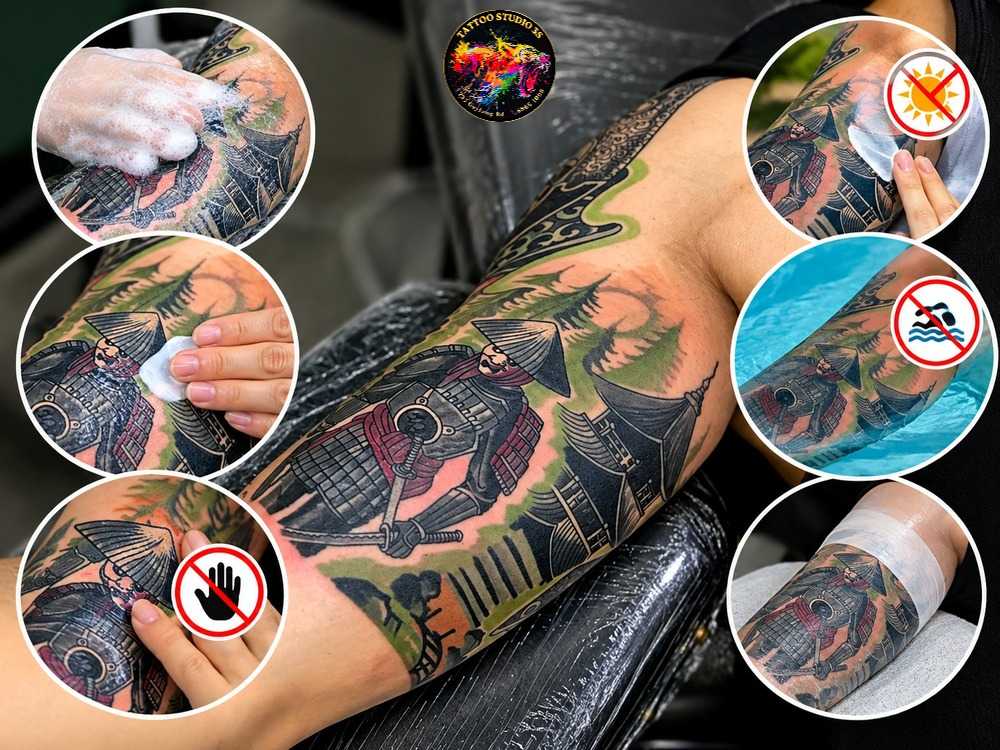
After a Tattoo Touch-Up, the treated skin needs proper care just like a newly completed tattoo. Following appropriate aftercare instructions helps support healing and preserve the refreshed design.
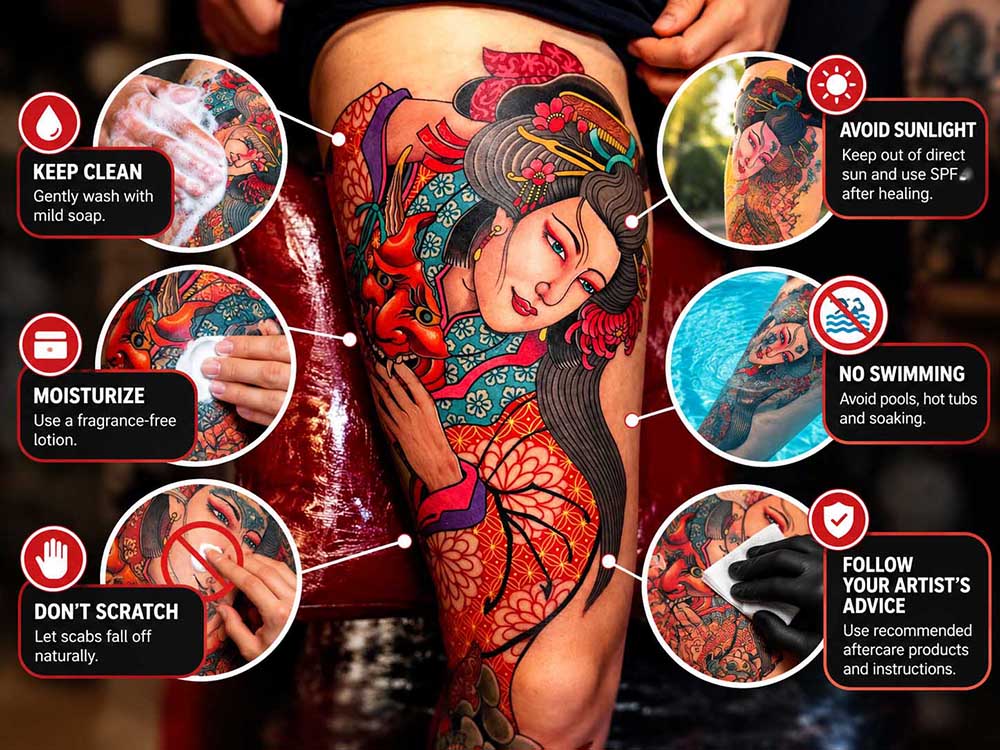
- Keep The Tattoo Clean And Moisturized: Gently wash the treated area with mild, fragrance-free soap and apply a suitable moisturizer as recommended by your artist.
- Avoid Scratching Or Picking Scabs: Allow peeling skin and scabs to fall off naturally to reduce the risk of irritation, scarring, and uneven ink retention.
- Protect Your Tattoo From Direct Sunlight: Keep the healing tattoo away from direct sunlight. Once fully healed, use broad-spectrum sunscreen to help protect the colors.
- Avoid Swimming Until Fully Healed: Stay away from swimming pools, hot tubs, and prolonged soaking until the skin has completely recovered.
- Follow Your Tattoo Artist’s Instructions: Your artist may provide specific aftercare recommendations based on the tattoo’s size, placement, and condition.
Healing times vary between individuals. If you notice increasing redness, spreading swelling, pus, fever, or worsening pain, seek medical advice rather than assuming these symptoms are part of normal healing.
How To Prevent Your Tattoo From Fading Too Quickly
Although some fading is inevitable, proper skin care and healthy habits can help preserve the appearance of your tattoo for longer.
– Protecting your tattoo from excessive sunlight is one of the most important preventive measures. Ultraviolet radiation can gradually break down tattoo pigments and contribute to color fading. Applying sunscreen with SPF 30 or higher to fully healed tattoos can help reduce this effect.
– Regular moisturizing also helps maintain healthy-looking skin, making tattoo colors and details appear more defined. Choose gentle, fragrance-free products that suit your skin type.
– Avoid excessive friction and harsh exfoliation, particularly in areas where tattoos are frequently exposed to clothing or daily activities. Maintaining good skin health can help keep your tattoo looking its best.
– Most importantly, choose a reputable tattoo studio with experienced artists who understand proper ink application, tattoo placement, and long-term design quality.
Get Professional Tattoo Touch-Ups At Tattoo Studio 3S
If your tattoo has started to fade, developed uneven shading, or lost some of its original definition, professional assessment can help determine the most suitable solution. At Tattoo Studio 3S, clients can receive guidance on refreshing existing tattoos and improving their overall appearance.
Located in Singapore, Tattoo Studio 3S offers tattoo services covering various styles, including Japanese Tattoo, Realism Tattoo, Black And Grey Tattoo, and Cover Up Tattoo. Depending on the condition of your existing design, an artist can recommend appropriate touch-up work or alternative adjustments.
Whether you want to restore faded colors, reinforce selected outlines, or refresh an older design, Tattoo Studio 3S can help you explore suitable options. Contact the studio to discuss your tattoo and arrange a consultation.
Tattoo Studio 3S
Hotline: +65 8866 1008 / +65 8106 1116
Address: 733 Geylang Road, #02-01, Singapore 389644
Frequently Asked Questions About Tattoo Touch-Ups
How Long Should You Wait Before Touching Up A Tattoo?
Most tattoo artists recommend waiting at least 4–8 weeks before considering a touch-up. However, larger tattoos or areas that heal slowly may require additional time. The skin must be fully healed before any additional tattooing takes place.
Do All Tattoos Need Touch-Ups?
No, not every tattoo needs a touch-up. Tattoos that heal properly and receive good long-term care can maintain their appearance for many years. Touch-ups are generally considered when fading, missing pigment, or noticeable imperfections affect the design.
How Many Times Can You Touch Up A Tattoo?
There is no fixed number of touch-ups suitable for every tattoo. The frequency depends on skin condition, ink retention, and the amount of correction required. Excessive reworking of the same area can increase the risk of skin damage and scarring.
How Long Does A Tattoo Touch-Up Take?
A small Tattoo Touch-Up may take approximately 15–60 minutes, while larger or more detailed corrections can require longer sessions. The actual duration depends on the tattoo’s size, complexity, and the amount of work needed.
Can You Touch Up A Tattoo After Several Years?
Yes, older tattoos can often be refreshed through professional touch-ups. An experienced artist can evaluate the condition of the existing ink and determine whether reinforcing colors and outlines will improve the design. In some cases, a tattoo rework or cover-up may produce better results.